Jao Mae Kwan Yin Nuea Wan Sabu Luead - Ajarn Hmom Niranam Traipoom

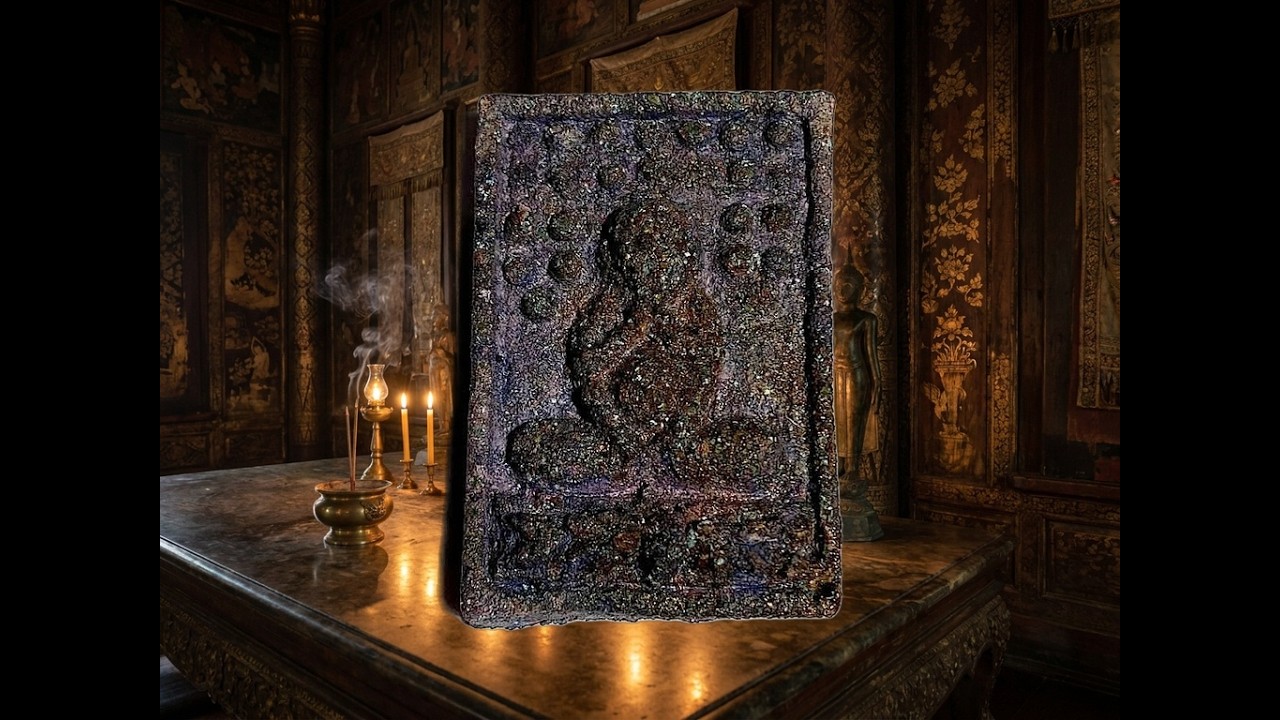
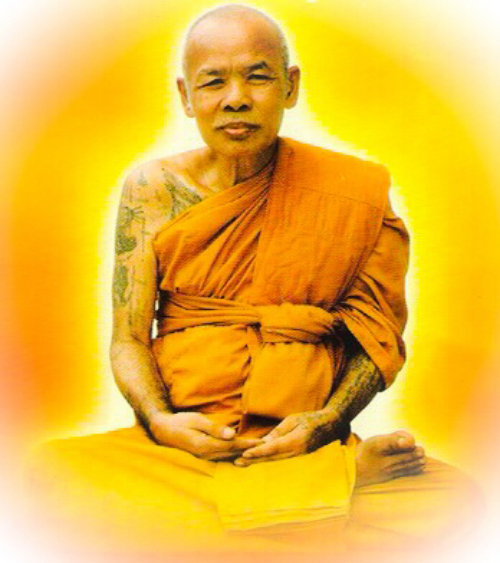
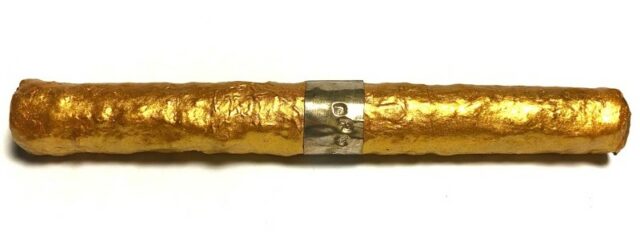
The Jao Mae Kwan Yin Bodhisattva Nuea Wan Sabu Luead (Bloodsoap Herb Powders) edition of 2552 BE represents one of the rarest, most esoteric, and deeply sought-after sacred creations from the legendary lay sorcerer and spiritual master, Ajarn Hmom Niranam Traibhumi (Ajarn Hmom Niranam Traipoom). Consecrated during an epic ritual gathering in Sisaket Province on November 24, 2009, this dual-archetype talisman synergizes the boundless ocean of Mahayana Buddhist compassion with the unshakeable cosmic martial authority of Vedic cosmology.

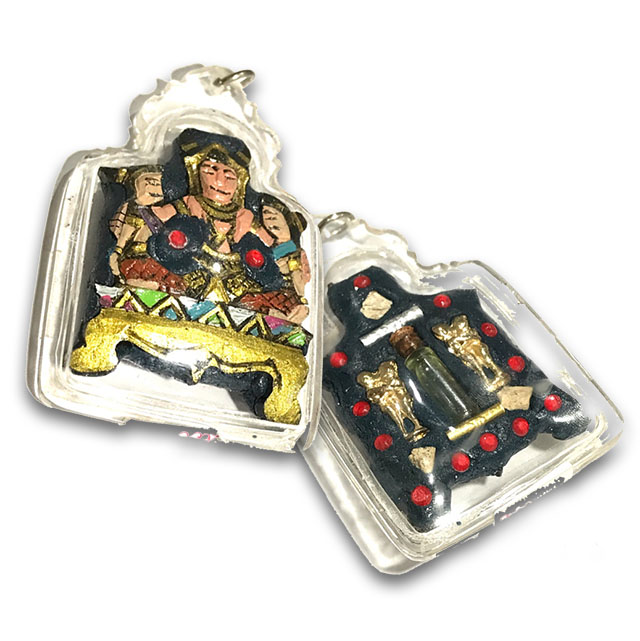
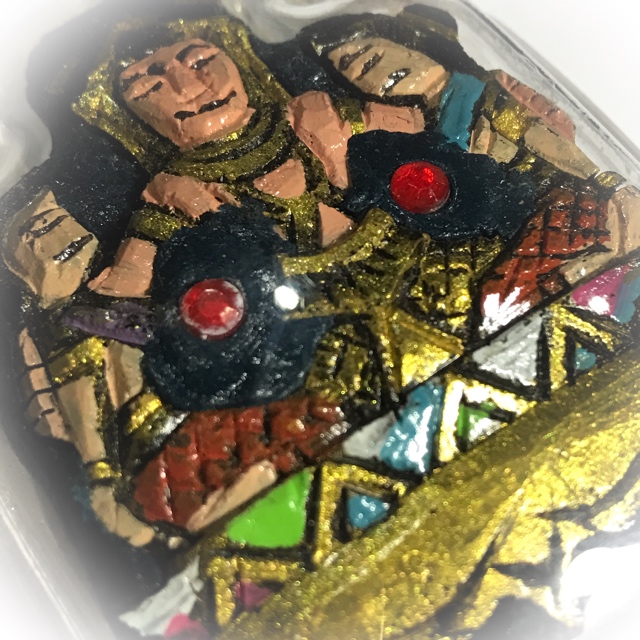
Jao Mae Kwan Yin Front Face Sacred Red Wan Sabu Luead
Frontal relief of Jao Mae Kwan Yin Bodhisattva standing gracefully upon ocean waves and blooming lotus pedestal in sacred crimson Wan Sabu Luead.

The Enigmatic Lineage of Ajarn Hmom Niranam Traipoom

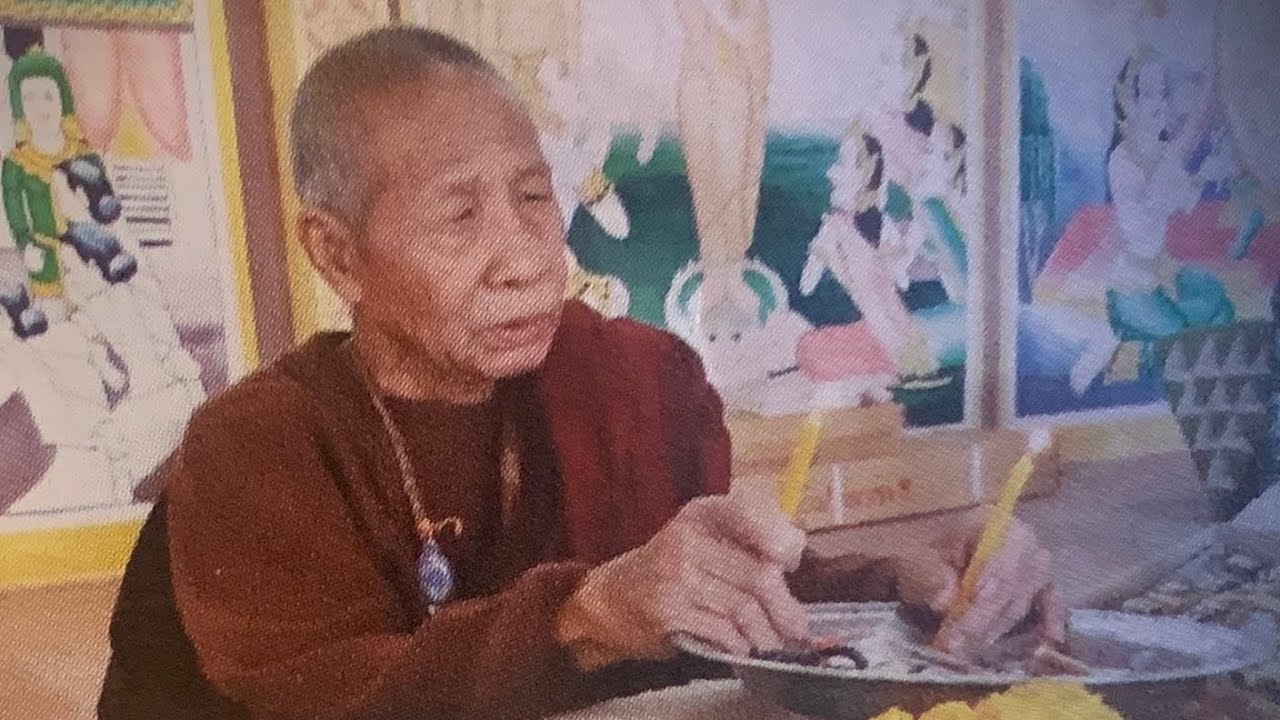
Ajarn Hmom Niranam Traibhumi is renowned throughout Thailand as an aristocratic, enigmatic adept of exceptional spiritual standing. Moving freely between royal and monastic circles, Ajarn Hmom dedicated decades to funding monumental temple construction, sponsoring state ceremonies, and donating consecrated amulets directly to frontline soldiers, border patrol police, and military personnel guarding hazardous border provinces.

His amulets are famous for requiring no commercial fanfare; rather, their extraordinary efficacy in Kong Grapan (invincibility), Klaew Klaad (catastrophe evasion), and miraculous career elevation created an intense organic following among high-ranking commanders, politicians, and seasoned collectors. Known for utilizing profound esoteric geometries and rare occult botanicals, Ajarn Hmom’s editions are considered modern classics of Siamese sorcery.

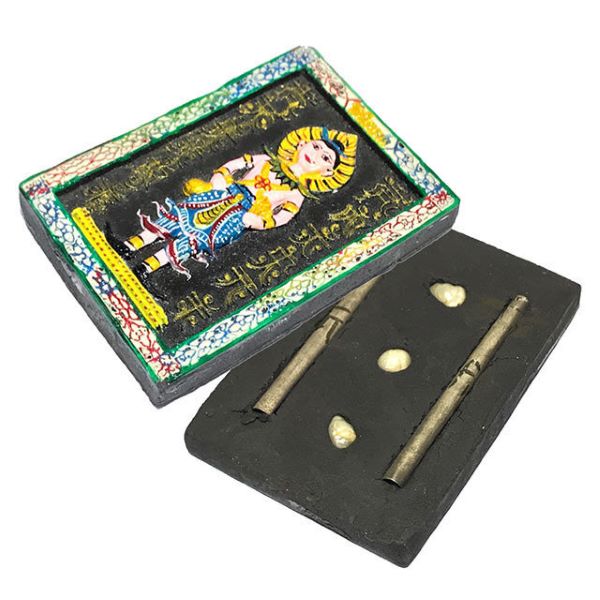
Rear Face Pra Narai Vishnu Four Armed Cosmic Form
Rear face displaying the four-armed cosmic form of Pra Narai (Vishnu) bearing his celestial weapons, surrounded by intricate sacred yantra scripts.

Botanical Alchemistry: Nuea Wan Sabu Luead

The foundational medium of this sacred amulet is Nuea Wan Sabu Luead — the legendary Bloodsoap root herb (Stephania venosa). In ancient Thai herbal sorcery (Tamra Wicha Wan), Sabu Luead is celebrated as the paramount plant for granting physical invulnerability, skin resilience against cutting weapons, and spiritual rejuvenation.

When harvested according to astronomical alignments with proprietary incantations, the crimson sap and potent root powders absorb immense protective prana. Ajarn Hmom combined these pulverized blood-red root fibers with sacred Pong Puttakun temple powders, crushed gemstone dust, and consecrated floral pollens, imparting to the amulet its rich earthy red hue, tactile density, and subtle natural botanical fragrance.

Profile Macro View Showing Wan Sabu Luead Density and Edge Relief
Edge profile macro view exhibiting the compressed density of the herbal paste and crisp three-dimensional sculptural layering.

Dual Archetypal Cosmology: Kwan Yin & Pra Narai

What elevates this edition to the apex of sacred design is its unique bilateral esoteric synthesis:

  • Front Face — Jao Mae Kwan Yin (Avalokiteshvara Bodhisattva): The supreme Chinese-Mahayana embodiment of unconditional mercy, compassion (Karuna), and loving-kindness (Metta). She holds the sacred willow branch and nectar phial, dispensing spiritual dew to extinguish the burning fires of suffering, family disharmony, illness, and worldly stress.
  • Rear Face — Pra Narai (Lord Vishnu) & Sacred Yant: The supreme Brahmanical preserver deity in his dynamic four-armed manifestation, holding the discus (Chakra), conch (Shankha), mace (Gada), and lotus. Pra Narai provides an impenetrable energetic perimeter, striking down malevolent spirits, reversing occult curses (Gae Aathan), and granting triumphant victory over competitive obstacles.

Together, this dual polarity ensures that while the devotee is wrapped in an aura of tranquil loving-kindness that attracts people and opportunities, their rear and blind spots are defended by the fiercest cosmic protector.

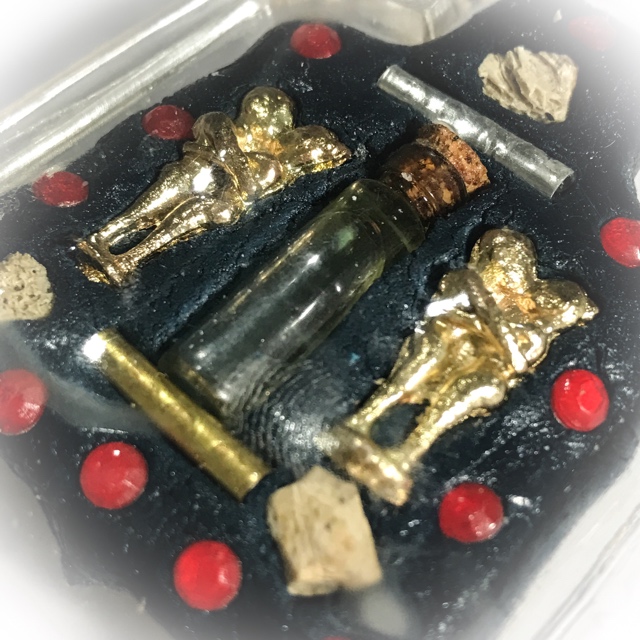
Macro Detail of Yantra Script and Astrological Characters
Macro detail showing the sacred astrological character stamps and protective yantra contours impressed into the reverse face.

The Grand Consecration Assembly of Sisaket (2552 BE)

On November 24, 2009 (2552 BE), one of the most formidable blessing ceremonies in modern Isan history was convened in Sisaket Province. The monastic assembly was presided over by the venerable Pra Phrom Wachirayan (Prasit Khemangkaro, abbot of Wat Yannawa and member of the Supreme Sangha Council), alongside dozens of renowned master monks, forest meditation adepts, and white-robed lay sorcerers.

Over successive days and nights, the assembly focused concentrated Vipassana power and ancient incantations into the sacred powder pressings, sealing them with multifaceted blessings:

  • Metta Maha Niyom: Inspiring universal favor, popularity, and harmonious interpersonal relationships.
  • Serm Duang & Serm Choke: Raising fallen horoscopes, enhancing good fortune, and accelerating financial flow.
  • Gae Aathan & Pongan Pai: Total shielding against ghosts, curses, psychic attack, and catastrophic accidents.
  • Health & Serenity: Promoting physiological tranquility and protection from pathogenic miasmas.
Oblique Perspective Revealing Subtle Herbal Muan Sarn Textures
Oblique perspective showcasing the authentic matte surface texture and natural color variations of the Wan Sabu Luead blend.

🎧 Listen as You Read

Press play to listen to the audio narration

YouTube player

Bucha Practice & Sacred Incantation

Due to its gentle yet powerful dual nature, this amulet is exceptionally suited for all genders, business proprietors, meditators, and those seeking domestic peace. It can be worn on a necklace at the chest or placed on a personal shrine.

Devotees may offer clean water, fresh tea, sweet fruits, and white lotus blossoms. Before leaving the home or commencing business, center your mind and chant the veneration mantra:

Kata Bucha Jao Mae Kwan Yin

“Namo Guan Shi Yin Pu Sa” (Recite 3, 9, or 108 Times)

(I take refuge in and pay homage to the supremely merciful and compassionate Bodhisattva Avalokiteshvara.)

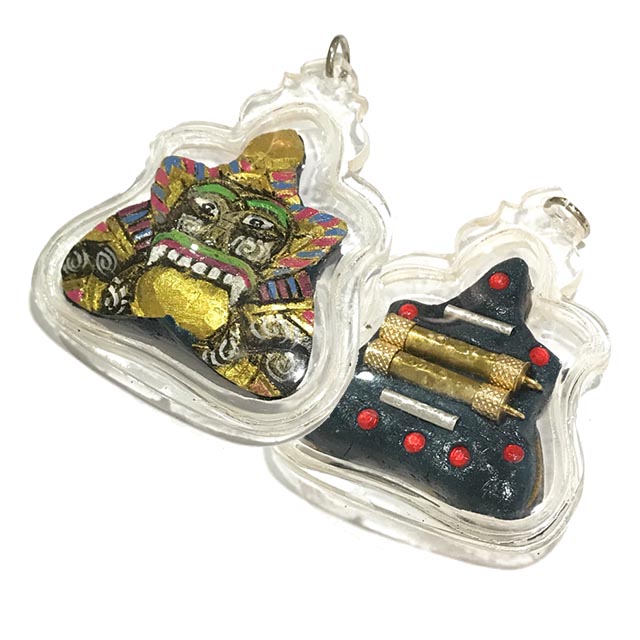
Perspective View of Both Faces Side by Side
Dual perspective emphasizing the artistic mastery and harmonious balance between the Bodhisattva and the Cosmic Preserver.


Ajarn Spencer Littlewood for ThailandAmulet.net
All rights reserved.

Pra Kring Pairee Pinaat Pai Rit - Wat Bowon Niwet 2557 BE

The Pra Kring Pairee Pinaat Pai Rit (Wat Bovornives Voraviharn, Bangkok) stands as one of the most venerated and historically distinguished Buddha amulets in modern Thai Buddhist history. Consecrated in 2557 BE to commemorate the illustrious centenary and noble legacy of His Holiness Somdej Pra Nyanasamvara Suvaddhana (Somdej Pra Sangkaraj Yannasangwon), the 19th Supreme Patriarch of Thailand, this sacred loi ongk statuette carries the full weight of Royal monastic tradition and centuries of protective esoteric lore.

Pra Kring Pairee Pinaat Wat Bowon 2557 BE Frontal View
Frontal portrait of the Pra Kring Pairee Pinaat statuette encased in custom waterproof casing, displaying the serene meditative posture and royal arch.

The Royal Lineage of Wat Bovornives Voraviharn

Wat Bovornives Voraviharn (Wat Bowon) occupies a transcendent tier in Siamese Buddhist history. Located within the Phra Nakhon district of Bangkok, Wat Bowon is the premier royal temple of the Dhammayuttika Nikaya order and the historic residence of Thailand’s Supreme Patriarchs. It is also the sovereign sanctuary where Thai monarchs, including King Rama IV (during his extensive monkhood) and His Majesty King Bhumibol Adulyadej the Great (Rama IX), took holy monastic ordination.

His Holiness Somdej Pra Nyanasamvara, who presided over the Thai Sangha for nearly a quarter of a century until his passing at age 100, was renowned across the Buddhist world for his peerless mastery of Vipassana meditation, his profound humility, and his boundless Metta. Every sacred edition cast under his monastic auspices at Wat Bowon is treated by collectors, royalty, and lay devotees as an heirloom of sovereign spiritual merit.

Pra Kring Pairee Pinaat Wat Bowon Posterior Perspective
Posterior perspective showing the flowing royal sanghati robe contours and flawless blackened metal patination.

Iconography & Miracle Lore of Pra Pairee Pinaat

The name Pairee Pinaat literally translates to “Destruction of Foes” or “Enemies Vanquished into Nothingness.” The archetype dates back to the reign of King Rama III (Phrabat Somdej Pra Nangklao Chaoyuhua), when an ancient stone Buddha image displaying the gesture of vanquishing Mara was presented to Prince Mongkut (later King Rama IV) while he was residing as abbot at Wat Bowon. Soon after the image arrived at the temple, severe political conspiracies and treacherous intrigues directed against the Prince dissolved completely, with conspirators turning away or self-neutralizing.

In Thai esoteric sorcery (Wicha Saiyasart) and Buddhist iconography, Pra Pairee Pinaat does not promote violence or aggression; rather, it functions as an invincible metaphysical mirror. Any malice, slander, occult hostility, political sabotage, or backbiting directed against the righteous wearer rebounds back upon its originator, leaving the devotee unharmed under a canopy of divine grace (Klaew Klaad).

Pra Kring Pairee Pinaat Flank Profile Macro View
Lateral profile highlighting the precise facial features, serene contemplative half-closed eyes, and pristine metal casting.

Alchemical Composition & The Acoustic Kring Bead

This commemorative edition was cast from Nuea Loha Saksit Rom Dam — sacred multi-metal alchemical alloy enriched with ancient temple yantra foils, historical bronze bells, and consecrated monastic metal ingots, treated with a fine blackened satin patina (Rom Dam). Sealed within the hollow lotus pedestal base is an authentic Kring bead (rattle mechanism).

When gently shaken in meditation or prayer, the bead emits an ethereal, high-frequency acoustic chime. In ancient Medicine Buddha (Bhaisajyaguru) traditions, this sacred vibration is understood to awaken celestial guardian spirits, dispel dark psychic miasmas, harmonize personal biorhythms, and carry prayers directly to the ear of the Enlightened Ones.

Pra Kring Pairee Pinaat Alternate Profile Angle
Detailed angle showing the waterproof acrylic framing protecting the delicate alchemical surface from moisture and ambient wear.

The Grand Puttapisek Consecration Ceremony (2557 BE)

The consecration ceremony for the Pai Rit Sangkaracha Commemoration Edition brought together an assembly of Thailand’s most revered master monks within the historic Uposatha hall of Wat Bovornives. The rites were presided over by senior monastic luminaries including Pra Thep San Waetii and Pra Ajarn Decha Suritnutho.

Throughout the ceremony, continuous meditative incantations were channeled into the amulets, infusing them with multifaceted blessings:

  • Serm Duang & Serm Yos: Uplifting karma, destiny, social status, and professional promotion.
  • Klaew Klaad: Evasion of fatal accidents, physical dangers, and catastrophic disruptions.
  • Kong Grapan Chadtri: Invulnerability against sharp weapons and physical trauma.
  • Metta Maha Niyom: Bestowing an aura of serene loving-kindness that disarms hostile personalities.
  • Gae Aathan & Pairee Pinaat: Total neutralization of black magic, curses, jealousy, and treacherous adversaries.
Pra Kring Pairee Pinaat Base and Lotus Seat Detail
Bottom and lotus seat view displaying the sealed internal kring chamber and crisp double-lotus petals.

🎧 Listen as You Read

Press play to listen to the audio narration

YouTube player

Bucha Method & Sacred Incantation (Kata Bluk Sek)

To cultivate maximum resonance with the Pra Kring Pairee Pinaat, devotees place the amulet on a clean altar facing East or North, or wear it on a necklace at chest height. Offerings of clean water, white jasmine blossoms, and sandalwood incense may be made on Buddhist holy days (Wan Pra).

Before putting on or praying to the amulet, calm the mind, recite the Universal Triple Refuge (Namo Tassa Bhagavato Arahato Samma Sambuddhassa) three times, and then chant the dedicated activation Kata:

Kata Bluk Sek Pra Pairee Pinaat

“Sitthammatthu Sitthammatthu Sithammatthu I Tang Pa Lang”

(May absolute accomplishment and unshakeable spiritual power manifest through this holy embodiment, easing all worldly struggles and vanquishing all adversity.)

Pra Kring Pairee Pinaat Handheld Scale and In-Hand Perspective
Handheld perspective demonstrating the compact, highly wearable dimensions (2.5 x 2.0 cm) of this holy statuette.


Ajarn Spencer Littlewood for ThailandAmulet.net
All rights reserved.

Pra Pidta Ruay Pan Lan Nuea Bailan Pasom Pong Graduk Phii - Wat Sotaram

The Pra Pidta Ruay Pan Lan Nuea Bailan Pasom Pong Graduk Phii Hlang Yant Maha Ud is a formidable, highly esoteric votive tablet consecrated in the year 2566 BE at Wat Sotaram in Roi Et province, under the solemn presidency of Pra Maha Somporn. Created in the special ‘Run Ruay Pan Lan’ (One Thousand Millions Wealth Edition), this amulet represents a rare modern revival of the legendary high Hoeng Prai bone-ash alchemy pioneered at Wat Po Tha Tian during the Second World War.

The Wat Po Tha Tian Wicha Hoeng Prai & Sacred Bone Ash Alchemy

In Thai occult history, the supreme gold standard of bone-powder sorcery was established by Pra Ajarn Noo of Wat Po Tha Tian around 2484–2485 BE. Facing the horrors of wartime bombings and unrest, Ajarn Noo gathered the consecrated cremation ashes (Pong Graduk Phii) of deceased persons who perished under sudden or powerful circumstances. Through intensive Buddhist Pattidana (transference of merits) and Nirodha meditative empowerment, these wandering spirits were purified of karmic suffering and elevated into angelic protector entities (Thewada Prai).

Continuing this strict lineage, Pra Maha Somporn blended authentic consecrated Pong Prai Graduk Phii with an extraordinarily rich admixture of sacred herbs and mystic minerals. The deep dark matrix of the tablet consists primarily of Nuea Bailan—sacred ancient Buddhist scriptures inscribed on palm-leaf manuscripts that were ritually burnt into an ultra-fine, soot-black magical ash. To this base was added a tincture of blue Thaolong enchanted forest vines, pink Poon Kin Mak (consecrated betel-nut lime paste), and the potent crimson sap of the Sabu Luead (Bloodsoap) root herb.

Pra Pidta Ruay Pan Lan in Sacred Black Bailan Powders - Frontal View
Pra Pidta Ruay Pan Lan in Sacred Black Bailan Powders – Frontal View

The resulting votive tablet displays a characteristic dark charcoal body with subtle flecks of bone ash, pink herbal lime, and natural mineral blooming across the surface, confirming the authentic density of its sacred Muan Sarn ingredients.

Rear Face Displaying Maha Ud Gunstopper Sacred Yantra Inscription

Maha Ud Invulnerability & Ruay Pan Lan Wealth Manifestation

The front face of the amulet features the iconic posture of Pra Pidta (the Nirodha Buddha closing all bodily apertures to transcend sensory illusion). This form is celebrated for shielding the devotee from external negativity, toxic envy, and dark sorcery. On the reverse, the amulet is deeply stamped with the sacred Yant Maha Ud.

In Thai martial lore, Maha Ud signifies the supreme power of ‘stopping, sealing, and silencing’ hostile force. It is universally invoked for:

  • Gunstopper Invincibility (Maha Ud & Kong Grapan Chadtri): Neutralizing firearms, blunting weapon attacks, and protecting the wearer against physical trauma.
  • Catastrophic Evasion (Klaew Klaad): Diverting fatal accidents, collisions, and dangerous predicaments away from the devotee.
  • Hoeng Prai Wealth Catalyst (Maha Lap & Maha Pokasap): The purified Prai spirits act as an active spiritual engine, intuitively guiding the devotee toward profitable ventures, high-stakes windfall gains, commerce growth, and windfalls.
  • Premonitory Warning (Pongan Phii): Dispelling black magic, hexes, malevolent ghosts, and granting clear intuition of approaching opportunities or hazards.
Macro Detail of Bailan Herbal Texture, Thaolong Vine Tint, and Bone Ash Specks
Side Profile Showing Tablet Thickness and Clean Rim Profile

🎧 Listen as You Read

Press play to listen to the audio narration

YouTube player

Devotional Methods & Traditional Bucha Protocol

Because this Pra Pidta contains purified Buddhist Thewada Prai bone powders rather than lower demonic spirits, it requires no blood, raw offerings, or sinister rituals. To worship the amulet, place it respectfully on a clean altar, light 3 or 5 incense sticks, and offer clean water and fresh flowers. Chant the Namo Tassa three times, followed by the Pra Pidta Maha Ud incantation:

“Namo Tassa Bhagavato Arahato Samma Sambuddhassa (3 times)
Na Mo Put Taa Ya, Na Ma Pa Ta, Ja Pa Ga Sa, I-Gaa-Wi-Ti, Maha Ud Ud-Thang Ad-Tho, Na Ud Mo Ad, Put Ad Taa Ud, Ya Ad Na Ud… Maha Lapo Bhavantu Me.”

Focus your intention on righteous wealth generation, invulnerability, and spiritual sanctuary.

Base and Lower Edges Showing Traditional Hand-Pressed Clay Density
Three-Quarter Perspective of Consecrated Nirodha Buddha Talisman

Ajarn Spencer Littlewood for Thailand Amulets
All rights reserved.

Hun Payont Por Gae Ta Ba Khaw Nuea Loha Aathan - Por Tan Kloi Wat Phu Khao Tong

The Hun Payont Por Gae Ta Ba Khaw Nuea Loha Aathan Mad Daay Akom Gang Geng Jong Graben Khiaw is one of the most revered and sought-after occult guardian effigies created by the Great Por Tan Kloi Anomo of Wat Phu Khao Tong in Phatthalung province. Consecrated in 2556 BE during the historic ‘Sang Hor Chan’ edition to fund the construction of the monastic refectory, this masterpiece talisman represents the zenith of modern Southern Thai sorcery in the authentic Khao Or Lineage.

The Khao Or Mountain Cave Sorcery Lineage & Wicha Hun Payont

For well over a millennium, the limestone cave shrines of Wat Khao Or in Phatthalung have served as the paramount fountainhead of Thai spiritual sciences, occult metallurgy, and esoteric sorcery. In this southern lineage, the Wicha Hun Payont is not mere superstition, but an advanced metaphysical science of animating inanimate matter with an autonomous astral guardian spirit (Jit Winyan).

Por Tan Kloi, widely hailed as the undisputed modern master of Hun Payont effigies, cast this sacred series from Nuea Loha Aathan—an alchemical alloy composed of consecrated temple metals, ancient yantra foils, sacred bronze artifacts, and mystic minerals. The effigy takes the form of Por Gae Ta Ba Khaw (the White-Robed Ascetic Elder / Hermit Rishi), symbolizing spiritual purity, ancient primordial authority, and transcendent protective power.

Hun Payont Por Gae Ta Ba Khaw - Frontal Display with Green Jong Graben Breeches
Hun Payont Por Gae Ta Ba Khaw – Frontal Display with Green Jong Graben Breeches

Each individual effigy was meticulously hand-bound using sacred spellbound threads (Mad Daay Akom), ritually dyed green to represent the traditional Thai Jong Graben breeches. During the binding ritual, Por Tan Kloi performed the ancient Khao Or invocation of the Dhat See (the Four Elemental Foundations: Earth, Water, Fire, and Wind) combined with the Kata Akarn 32 (the 32 physical attributes of living beings). Through continuous breath control and meditative absorption (Jhana), the master awakened the dormant metal effigy, transforming it into an alert, living spiritual sentry.

Sacred Alchemical Loha Aathan Alloy and Spellbound Cord Weave - Macro Detail
Sacred Alchemical Loha Aathan Alloy and Spellbound Cord Weave – Macro Detail

Occult Attributes, Sentry Duties & Metaphysical Protection

In Thai occult traditions, a properly empowered Hun Payont fulfills the role of an incorporeal spiritual bodyguard and household guardian. Unlike negative necromantic entities that require dark appeasement, Por Tan Kloi’s Hun Payont Por Gae is powered by Buddhist virtue and white-robed rishi ascetic purity, making it safe, benevolent, and deeply loyal to its owner.

The talisman provides six primary dimensions of protection and empowerment:

  • Kong Grapan Chadtri & Klaew Klaad: Invincibility against physical weapon strikes, bladed instruments, ballistic danger, and miraculous evasion from fatal collisions or roadway accidents.
  • Gae Aathan & Pongan Phii: Inviolable psychic armor against curses, malevolent black magic, voodoo, graveyard sorcery, demonic incursions, and lower astral haunting.
  • Premises & Vehicle Guard: Autonomous surveillance over the owner’s residence, business establishment, or vehicle, deterring burglars, thieves, and malicious trespassers.
  • Premonitory Warning (Nimitta): Projecting warning omens into the owner’s dreams or instincts prior to unforeseen dangers or duplicitous people.
  • Maha Lap & Maha Pokasap: Drawing business prosperity, windfalls, high-volume customer footfall, and unyielding financial growth.
  • Metta Mahaniyom: Cultivating respect, benevolent mercy, and authoritative standing in negotiations and professional circles.
Side Profile View Displaying Ancient Khao Or Hermit Ascetic Demeanour
Rear Perspective Displaying Consecrated Binding Knots and Metal Core

🎧 Listen as You Read

Press play to listen to the audio narration

YouTube player

Devotional Methods & Traditional Bucha Protocol

To welcome and consecrate the Hun Payont into the residence or altar, light 5 incense sticks and offer clean fresh water, betel nut, or sweetmeats. Recite the Maha Namasakara (Namo Tassa) three times, followed by the specific Bucha incantation for Khao Or Hun Payont:

“Om Pluk Maha Pluk, Goo Ja Pluk Phra Hun Payont Duay Gae-Saa Loh-Maa Nak-Khaa Tan-Dtaa Dta-Joh, Phut-Thang Bprasitthimae, Tham-Mang Bprasitthimae, Sang-Khang Bprasitthimae… Na Ma Pa Tha, Na Mo Phut Tha Ya.”

Instruct the effigy clearly in your mind or out loud regarding its protective assignment—whether to guard your home, vehicle, store, or personal safety while travelling.

Base Perspective and Cord Fastening Craftsmanship
Three-Quarter Perspective of Consecrated Guardian Effigy

Ajarn Spencer Littlewood for Thailand Amulets
All rights reserved.

Chueak Takrut Koo Ud Look Sakot Nuea Dtakua - Luang Por Koon Wat Ban Rai

The Chueak Takrut Koo Ud Look Sakot Nuea Dtakua is an exceptionally rare, early-era occult talisman created and empowered by the Great Luang Por Koon Bparisutto of Wat Ban Rai in Nakhon Ratchasima province. Conceived as a complete personal protective compendium, this masterwork artifact combines two ancient alchemical Takrut Tone Yantra scrolls rolled from sacred copper foil (Nuea Tong Daeng) with four spellbound leaden seals (Look Sakot Nuea Dtakua), bound permanently onto an authentic green hand-woven cord belt (Chueak Kart Aew).

The Metaphysics of Look Sakot: Locking and Sealing Sacred Power

In the sacred lineages of Thai Theravada occultism, a Takrut Tone serves as a physical vessel holding the consecrated mental energies and Yantra spells inscribed by an attained master. However, without proper alchemical locking, the raw magical charge of an amulet can be diluted over decades or interfered with by conflicting external sorceries. To prevent any leakage of power, Luang Por Koon flanked and capped each copper scroll with heavy alchemical leaden beads known as Look Sakot.

The word Sakot (สะกด) literally signifies to hypnotize, restrain, seal, or command. In this compendium, the leaden Look Sakot beads perform a triple role: they perpetually amplify the internal magnetic resonance of the inscribed copper foil, form an impenetrable psychic shield that prevents rival sorcerers or lower astral spirits from siphoning the blessing, and establish a steady protective perimeter around the wearer’s physical body.

Luang Por Koon Twin Takrut Tone with Lead Look Sakot Seals - Macro View
Luang Por Koon Twin Takrut Tone with Lead Look Sakot Seals – Macro View

Luang Por Koon: The Miraculous Monk of Wat Ban Rai

Luang Por Koon Bparisutto is widely revered across Southeast Asia as an attained Arahant whose superhuman stamina and purity of Dhamma practice transformed the lives of millions. Famed for his spontaneous spiritual absorptions, Luang Por Koon could attain the highest levels of Samadhi meditation in seconds, empowering amulets with intense, instantaneous blessings that made his talismans legendarily responsive.

🎧 Listen as You Read

Press play to listen to the audio narration

YouTube player

Despite raising hundreds of millions of Baht throughout his monastic career, Luang Por Koon never retained personal wealth. He lived in utter simplicity, squatting in down-to-earth humility and donating every single cent toward building hospitals, schools, electricity grids, and water infrastructure for rural communities in Isan. Devotees wear his amulets not only for their legendary invincibility but as a sacred beacon of selfless moral conduct and boundless generosity.

Green Chueak Kart Aew Cord Belt Weave and Lead Binding Bead Detail

Comprehensive Four-Fold Blessings and Occult Powers

The Chueak Takrut Koo compendium is engineered to furnish balanced, comprehensive protection across all facets of daily life:

  • Kong Grapan Chadtri & Klaew Klaad: Invincibility against sharp weapons, projectiles, and ballistic threats, accompanied by total evasive shielding to escape lethal vehicular accidents.
  • Maha Lap & Maha Pokasap: Continuous influx of unexpected windfalls, business fortune, commercial prosperity, and accumulation of liquid assets.
  • Maha Amnaj & Serm Yos: Imposing authoritative aura that commands respect and obedience from subordinates, colleagues, and officials in positions of power.
  • Metta Mahaniyom & Gae Aa-than: Gentle charisma that softens harsh hearts and neutralizes malicious sorcery, psychic hostility, and negative household karma.
Sacred Copper Foil Yantra Scroll Inscription and Leaden End Cap

Bucha Method & Sacred Chanting Verses (Kata Aathan)

To cultivate a direct spiritual connection with Luang Por Koon and awaken the protective cord belt, devotees should place the talisman before a clean altar or hold it reverently between prayer hands and recite the following three-stage ritual liturgy:

1. Maha Namasakara (3 Times)

Namo Dtat-Sa Pakawa-Dto Araha-Dto Sam-Maa Sam-Put-Dtat-Sa

2. Trai Soranakom (The Triple Refuge – 3 Times)

Puttang Cheewidtang Yaawa Nipaanang Saranang Kajchaami
Tammang Cheewidtang Yaawa Nipaanang Saranang Kajchaami
Sangkang Cheewidtang Yaawa Nipaanang Saranang Kajchaami

3. Kata Aaraatanaa Pra Krueang (Invocation of the Amulet – 3 Times)

Puttang Aaraatanaanang Tammang Aaraatanaanang Sangkang Aaraatanaanang
Puttang Prasittimae Tammang Prasittimae Sangkang Prasittimae

Hand-Empowered Twin Takrut Belt Overview Display
Reverse Alignment and Corded Loop Fastener Detail
Full Length Perspective of Sacred Talisman Belt Compendium


Ajarn Spencer Littlewood for Thailand Amulets
All rights reserved.

Rian Sema Luean Samanasak Luang Por Tuad Wat Chang Hai

The Rian Yorn Yuk Luean Samanasak Luang Por Tuad represents one of the most revered, prestigious, and timeless archetypes in southern Thai Buddhist numismatics. Created in nostalgic reverence and architectural fidelity to the legendary 2508 BE Rian Sema Luean Samanasak consecrated by the immortal Abbot Pra Kroo Wisai Sope (Luang Por Tim) of Wat Chang Hai, this commemorative edition continues the unbroken lineage of Khao Or and Pattani master-monk blessings.

The term Luean Samanasak refers to the traditional royal elevation of monastic rank and ecclesiastical status. In esoteric amulet lore, amulets bearing this designation are consecrated specifically to awaken the supernatural forces of Serm Yos (promotion, social standing, institutional advancement) and Serm Duang (raising of destiny and counteracting ill fortune). Each individual coin in this limited edition is stamped with an official edition code stamp and individual series number on the front face.

The Triple Consecration: Wat Pako, Wat Ton Liab & Wat Bang Sai

Rather than relying upon a singular ritual empowerment, this commemorative edition was sanctified through a historic Triple Buddha Abhiseka itinerary across the holy sites most intimately bound to the life and legend of Somdej Chao Phra Khoh (Luang Por Tuad):

1. First Consecration at Wat Pako (Sathing Phra): Blessed in the ancient historical monastery where Luang Por Tuad resided during his tenure in Songkhla province, imbuing the medallions with monastic prestige and scholarly wisdom.

2. Second Consecration at Wat Ton Liab: Empowered at the sacred birthplace of Luang Por Tuad under the sacred Liab tree where his umbilical cord was interred, sealing the lineage with protective earth vitality and indestructible life-force.

3. Third Consecration at Wat Bang Sai (Pak Phanang): Concluded in Nakhon Si Thammarat province in a grand assemblage of senior Southern Guru Monks, invoking Klaew Klaad (evasion of fatal accidents) and Kong Grapan Chadtri (invulnerability).

Front Face Rian Sema Luang Por Tuad Luean Samanasak
Front face depicting Luang Por Tuad seated in meditative poise within ornate Sema contours.

Iconography & Master Portraiture

The obverse of the medallion features the serene, cross-legged image of Luang Por Tuad resting upon a blooming lotus pedestal, enclosed within flame-like kranok scrollwork and royal regalia motifs. Below the master, a banner proclaims his auspicious epithet.

The reverse face bears the high-relief portrait of Luang Por Tim Wat Chang Hai, the original visionary master who introduced Luang Por Tuad amulets to the modern world in 2497 BE. Surrounding Luang Por Tim’s likeness are sacred Khom Pali yantra inscriptions protecting the four cardinal directions and warding against physical harm, black sorcery, and malevolent astral currents.

Reverse Face Luang Por Tim Wat Chang Hai
Reverse face presenting the esteemed portrait of Luang Por Tim surrounded by sacred Khom script.

Numismatic Verification & Security Codes

Every authentic piece in this series is distinguished by clear die-struck code stamps and individualized numbering cleanly punched into the copper-bronze alloy surface. These microscopic security points prevent counterfeiting and establish verifiable provenance for serious numismatists.

Official edition code stamp closeup
High-magnification macro view of the official edition code stamp and serial strike.
Medallion rim and bevel craftsmanship
Clean coin rim cut, edge beading, and pristine metallic luster.

🎧 Listen as You Read

Press play to listen to the audio narration

YouTube player

Kata Bucha Luang Por Tuad Wat Chang Hai

Before putting on the medallion or setting out upon a journey, calm the mind, hold the medallion between your palms in the prayer gesture (Wai), and recite the preliminary homage:

Namo Tassa Bhagavato Arahato Samma Sambuddhassa

Then chant the universal Luang Por Tuad protective katha three times:

Na-Mo Pote-Tee-Sah-Toh Ah-Gun-Tee-Mah-Yah Ee-Tee Puh-Kah-Wah Ah-Rah-Hung Poot-Toe

Temple documentation plate 1
Official temple catalog archive record documenting the 3-blessings edition.
Temple documentation plate 2
Sacred Buddha Abhiseka ceremony assembly at Wat Bang Sai.

Sacred Amulet Specifications

Specification Attribute Detail / Historical Provenance
Amulet Title Rian Yorn Yuk Luean Samanasak Luang Por Tuad
Consecrating Tradition Wat Chang Hai / Southern Thai Khao Or Monastic Lineage
Blessing Locations Wat Pako, Wat Ton Liab, and Wat Bang Sai (Nakhon Si Thammarat)
Archetype / Model Rian Sema Luean Samanasak (Commemorative 2508 BE revival)
Primary Material Nuea Thong Daeng Rom Dam (Sacred blackened copper-bronze alloy)
Attributed Powers Serm Yos (Promotion & Rank), Serm Duang (Destiny Enhancement), Klaew Klaad (Fatal Evasion), Kong Grapan (Protection)
SKU Reference 05100


Ajarn Spencer Littlewood for ThailandAmulet.net
All rights reserved.

See Pheung Gao Burut Pichit Jai Nang Wicha Maha Laluay - Kroo Ba Dech

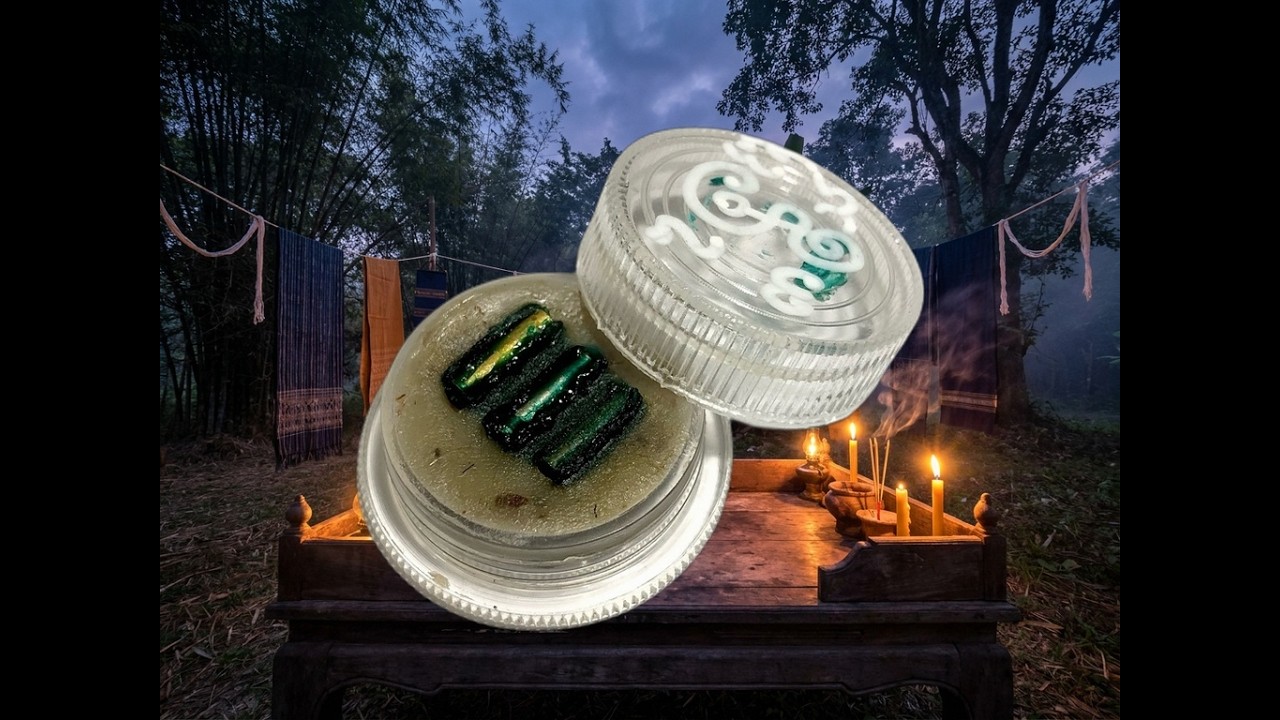
The See Pheung Gao Burut Pichit Jai Nang Wicha Maha Laluay (Nine Lustful Heartbreaker Ghosts Necromantic Potion, to Win the Hearts of a Lady) represents an extraordinary and highly coveted masterwork of northern Lanna charnel-ground sorcery. Hand-crafted and consecrated in 2552 BE by Kroo Ba Dech Gidtiyano at the secluded woodland cemetery hermitage of Samnak Songk Pha Cha Ban Rattanaporn in Payao Province, this esoteric enchantment potion embodies the most uncompromising occult traditions of the ancient Khmer and Lanna grimoires.

Immersed directly within this rich, aromatic necromantic balm is a consecrated pure silver spell scroll insert: the Takrut Na Jao Orn (‘Tender-Hearted Enchanter’). This specialized yantra spell operates on the psychological and spiritual faculties of those encountered, dissolving stubbornness, subduing anger, and creating a spontaneous feeling of affection, warmth, and submission in the hearts of listeners and prospective romantic partners.

Esoteric Muan Sarn & Charnel Ground Consecration

The material basis of this potion consists of pure forest honey beeswax gathered from wild hives hanging from high branches where bees departed without being stung, boiled in a bronze cauldron over a three-stage wood fire fed exclusively with Mai Rak (Love Tree) and Mai Mayom (Popularity Tree) timbers. To this foundation, Kroo Ba Dech blended 108 kinds of rare forest herbs (Wan), sacred pollen, and concentrated Nam Man Prai Gao Burut (the spiritual essence of nine deceased heartbreaker males who were legendary during life for irresistible charisma and amorous fortune).

See Pheung Gao Burut Pichit Jai Nang Kroo Ba Dech
Perspective view of the consecrated potion container with authentic ritual sealing wax.

The Wicha Maha Laluay & Na Jao Orn

The formula of Wicha Maha Laluay is celebrated throughout Southeast Asia for its power of total mental melting (‘Laluay’ meaning to dissolve, liquefy, or soften). When applied or carried, the amulet diffuses hostile tensions, softens cold hearts, and induces listeners to agree enthusiastically with business propositions, artistic appeals, or romantic overtures. The addition of the Takrut Na Jao Orn ensures that even the most formidable or proud individuals feel an irresistible inclination to accommodate the wearer’s desires.

Takrut Na Jao Orn immersed in See Pheung
Macro view revealing the hand-inscribed Takrut Na Jao Orn submerged in sacred herbal wax.

🎧 Listen as You Read

Press play to listen to the audio narration

YouTube player

Methods of Application & Bucha Protocol

Devotees may engage the power of this sacred potion through two distinct classical modalities:

1. Active Dabbing (Jem): Using the ring finger (for romance and seduction) or index finger (for commanding authority and status), lightly dab a minuscule, imperceptible trace of the potion onto the eyebrows, forehead, or lips while reciting the Kata Bucha. This creates an immediate fragrant auric field of Metta Mahaniyom.

2. Passive Carrying (Krueang Rang): Devotees who prefer not to deplete the wax may carry the closed pot intact in their pocket, purse, or cash register. The resident Prai spirits and sacred Yantra emit continuous blessings of Maha Pokasap (wealth attraction) and customer enchantment.

See Pheung Gao Burut side profile
Side profile of the sacred necromantic potion container.

Kata Bucha See Pheung Gao Burut

Always chant the Namo Tassa preliminary homage three times first:

Namo Tassa Bhagavato Arahato Samma Sambuddhassa

Then recite the special heart-softener incantation of Kroo Ba Dech:

Om Maha Laluay, Ra-Luay Maha Ra-Luay, Jit-Tang Man-Soo, Na Metta Mo Garuna, Put Pra-Nee, Taa Yin-Dee, Ya En-Doo, Sappa Snaeha Jamma Sam-Saa, Sawaha Sawaha.

Sacred herbal beeswax texture macro
Detailed macro study of the pure herbal wax matrix and sacred oils.
Container base view
Base stamping and ritual verification markings.
Original temple packaging
Original edition packaging from Samnak Songk Pha Cha Ban Rattanaporn.

Sacred Amulet Specifications

Specification Attribute Detail / Historical Provenance
Amulet Title See Pheung Gao Burut Pichit Jai Nang Wicha Maha Laluay
Consecrating Master Kroo Ba Dech Gidtiyano (now practicing as Ruesi Hermit)
Temple / Hermitage Samnak Songk Pha Cha Ban Rattanaporn, Payao Province
Year of Consecration 2552 BE (Edition released 2560 BE)
Primary Muan Sarn Wild forest beeswax, 108 Wan herbs, Nam Man Prai Gao Burut, immersed Silver Takrut Na Jao Orn
Magical Properties Maha Sanaeh (attraction), Maha Laluay (heart-softening), Metta Mahaniyom (mercy charm), Maha Pokasap (wealth accumulation)
SKU Reference 05039


Ajarn Spencer Littlewood for ThailandAmulet.net
All rights reserved.

Understanding the Wicha Bia Gae

This article presents detailed information regarding the Bia Gae  amulet. Bia Gae (Cowrie Shell Amulet):  Known for its Protective Power against Black magic, Charm, Protection, and  Ppower of Ayraction for Wealth and Popularity

The Bia Gae is renowned for its powers in metta mahaniyom (great loving-kindness and popularity), invulnerability, and protection from dangers. It is regarded as a sacred object that wards off various perils and, importantly, deflects and nullifies black magic, curses, poison spells, and even jungle fevers. It is seen as an itthiwatthu (magical object) that openly challenges all forms of sorcery, malevolent spells, and black magic.

Origins and Symbolism

The tradition of the Bia Gae is deeply rooted. Thai people have long revered the bia or chan (cowrie shell). In ancient times, the cowrie was considered a symbol of the gods, and it became customary to hang it on children’s necks as a talisman of protection—a practice that continues even today. Beyond its role as a sacred item, cowries were once used as currency in Siam.

Kanchana Nakphan, in her research, explains that besides the Brahmanical worship of Ganesha as a major deity in Siam, there were other traditions absorbed from the Brahmins of Angkor. For example, Thais once used the bia chan as a form of money. These shells mostly came from the Maldives Islands (off the west of Sri Lanka in the Indian Ocean), where the kingdom of Angkor obtained them through trade and used them as currency.

Thus, the Thai custom of using cowries as currency likely originated from Angkor. A strong support for this view is the similarity in reverence for the cowrie: the Angkorian people worshipped it as a manifestation of Lakshmi, while the ancient Thai also saw it as representing a divine being. Traditionally, cowries were worn by children as protective amulets associated with luck and safety.

Cultural Mentions

Thai literature shows that the cowrie was treated as sacred. In the classic tale Khun Chang Khun Phaen, when Nang Thepthong gives birth to Khun Chang, a verse describes:

<

“Some chanted blessings while scattering rice grains,
affixing consecrated cowries across the house walls.”

Similarly, in Inao, when the hero secretly visits Chintara, there is mention of using cowries in ritual offerings to deities, again showing their role as divine symbols. The cowrie as a symbol of Lakshmi also appears in ancient Thai law, where it was called Phakaw Chan. A section states:

“When dressing sons or grandsons, only allow them to wear a ji sama phakaw chan (cowrie pendant) decorated with red and green gemstones. Do not use diamonds or enamels reserved for nobility… Goldsmiths and commoners are forbidden from crafting pendants of this kind with precious stones under penalty of law.”

Here, Phakaw Chan breaks down into Phakaw (from Bhagavati, an epithet of Goddess Lakshmi) and Chan (cowrie). This clearly shows its association with Lakshmi.

Bia Gae Luang Phu Juea Wat Klang Bang Gaew

Social Status and Taboos

These ancient laws also reveal a rigid social hierarchy. Commoners were forbidden from wearing lavishly decorated cowries, which were reserved for the aristocracy. Only simple versions were permitted for ordinary people. Today, in democratic times, such discriminatory restrictions are obsolete.

Therefore, those who own a Bia Gae—such as the famous Bia Gae of Luang Pu Bun of Wat Klang Bang Kaew—may now encase them in the most ornate settings, even adorned with precious stones. For in truth, the Bia Gae is nothing less than the most exalted Phakaw Chan, a sacred cowrie empowered with consecrated mercury and endowed with full Buddhist supernatural power.

created by Luang Por Klom of Wat Nong Bua in 2012, highlighting its limited nature of only 500 pieces. It explains that this Thai animist protective charm is traditionally made with a cowrie shell filled with consecrated mercury, sacred powders, and two silver Takrut Na Sethee to enhance fortune and protection. The text further discusses the specific esoteric science (Wicha) used in its creation, noting its ability to repel black magic, correct bad destiny, and ensure prosperity. The document also introduces Luang Por Klom as a renowned master in Eastern Thailand who inherited his lineage from Luang Por Pan and identifies Wat Nong Bua as a significant centre for these traditional amulet consecration rituals.


Pra Yod Khun Pol Ban Khai LP Sakorn 2552 BE Edition Info

Pra Yod Khun Pol Ban Khai B.E. 2552 (A.D. 2009) by Luang Por Sakorn Manunyo, Wat Nong Grub

The “Pra Yod Khun Pol Ban Khai” amulet series, created in B.E. 2552 (A.D. 2009), is highly popular and sought after among disciples and collectors of amulets by Luang Por Sakorn Manunyo of Wat Nong Grub, Ban Khai District, Rayong Province. Its distinctiveness in terms of Buddhist art, sacred materials, and powerful consecration ceremonies has led to widespread acclaim for its comprehensive Buddhist blessings (Phutthakhun), especially in aspects of Metta Mahaniyom (charm and popularity), Maha Amnat (great power/authority), and enhancing prestige.

History of the Creator and Consecrator: Luang Por Sakorn Manunyo, the Inheritor of Eastern Buddhist Magic

Luang Por Sakorn Manunyo, originally named Sakorn Pairam, was born into the Pairam family on Tuesday, February 3, B.E. 2481 (A.D. 1938), at Ban Tai Thung, Nong Bua Sub-district, Ban Khai District, Rayong Province. He was the sixth of eight children.

His early life was always connected with Wat Nong Grub. At the age of 20, he was ordained as a Buddhist monk on June 4, B.E. 2501 (A.D. 1958), at the Ubosot of Wat Nong Grub. Pra Kru Jantharothai (Luang Por Ding) of Wat Nong Grub served as his preceptor, Pra Athikan Hom of Wat Nong Sim as his Karma Vachacharn, and Pra Athikan Saeng of Wat Nong Grub as his Anusavanacharn. He was given the monastic name “Manunyo.”

The most significant turning point in Luang Por Sakorn’s path of Buddhist magic was becoming a disciple of Luang Pu Tim Isariko of Wat Lahan Rai, who was then nationally renowned as the supreme guru monk who created the famous “Pra Khun Paen Phong Prai Kuman.” Luang Por Sakorn diligently traveled to serve and study from Luang Pu Tim regularly. With his humility and sharp intellect, he received Luang Pu Tim’s kindness, who imparted all his magical knowledge to him, especially the art of creating and consecrating Prai Kuman powder according to Luang Pu Tim’s tradition. He was one of the few disciples who learned this thoroughly and completely.

Additionally, he further studied with Luang Pu Peng Sasano of Wat Lahan Yai, a dharma friend of Luang Pu Tim and an expert in inscribing the “Na” sickle character, which possessed excellent protective power (Maha Ut) and invincibility (Kongkraphan Chatri).

Luang Por Sakorn applied all the knowledge he had learned to develop Wat Nong Grub and assist the local people until his passing. He passed away peacefully on September 18, B.E. 2556 (A.D. 2013), at the age of 75, having been a monk for 55 years.

History of Wat Nong Grub, Rayong Province

Wat Nong Grub is located in Nong Bua Sub-district, Ban Khai District, Rayong Province. It is an ancient temple with significant importance to the local community. Originally a small local temple, it underwent rapid development during Luang Por Sakorn’s abbacy. He constructed numerous monastic buildings, such as a new Ubosot, a sermon hall, monks’ living quarters, and a crematorium, making Wat Nong Grub prosperous and a spiritual center for the people of Ban Khai and Buddhists in general.

Origin and Consecration Ceremony of the “Pra Yod Khun Pol Ban Khai” Series, B.E. 2552

The “Pra Yod Khun Pol Ban Khai” amulet series was officially created in B.E. 2552 (A.D. 2009) with the objective of raising funds for the renovation and development of monastic buildings within Wat Nong Grub.

The exceptional feature of this amulet series lies in its consecration ceremony, which was a “solo consecration” performed solely by Luang Por Sakorn Manunyo throughout the entire three-month Buddhist Lent (Phansa) period of that year. Solo consecration is considered a testament to the powerful mind and profound Buddhist magic of a guru monk. Luang Por Sakorn wholeheartedly imbued the amulets with Buddhist power according to the traditions passed down from his master, Luang Pu Tim Isariko, ensuring that every piece in this series is truly filled with divine power.

Ultimate Sacred Materials: The Heart of Potency

The materials used in the creation of this amulet series are considered the “ultimate” collection of auspicious and sacred items that Luang Por Sakorn had preserved for a long time. They consist of:

Key Sacred Materials:

  • Phong Prai Kuman of Luang Pu Tim Isariko: The famous original Prai Kuman powder directly given to Luang Por Sakorn by Luang Pu Tim. This is considered the primary material with the highest Buddhist blessings for Metta Mahaniyom (charm and popularity) and good fortune.
  • Various Phutthakhun Powders of Luang Por Sakorn: Powders created from writing and erasing sacred Yantra characters according to the scriptures he learned, which he performed throughout his monastic life.
  • Old Powders of Luang Pu Tim Wat Lahan Rai: Various sacred powders that Luang Pu Tim used to create amulets and entrusted to Luang Por Sakorn for safekeeping.

Materials from Guru Monks and Important Ceremonies:

  • Consecrated beeswax and 108 herb powders from Luang Por Joy of Wat Nong Nam Khiao.
  • Old palm leaf scriptures powder from Wat Ban Laeng, B.E. 2496 (A.D. 1953): From a grand ceremony consecrated by top guru monks of that era, including Luang Pu Tim Wat Lahan Rai, Luang Pu Puek Wat King Kaew, Luang Por Ngern Wat Don Yai Hom, Luang Por Sod Wat Pak Nam, and Luang Por To Wat Khao Bor Thong.
  • Powder from Luang Pu Rueang Wat Khao Sam Yod and consecrated powder from Luang Por Gas Wat Paeng Pluay.
  • 108 herb powders from Luang Por Tone Wat Khao Noi Kiriwan.
  • “Ya Dam Ork Suek” (black combat medicine) powder from Luang Pu Ding Wat Bang Wua.
  • “Phet Leek” (diamond escape) powder and Bodhi leaf powder from Chao Khun Sri Wat Ang Sila.

Mystical Materials and Auspicious Herbs:

  • Auspicious Herbs (Waan Mongkol): Dok Waan Dok Mai Thong, Waan Sabu Lueat, Khruea Thao Long, Waan Ka Long Rang, Waan Maha Saneh, Waan Pad Bok, Waan Sao Long, and various sacred pollen powders.
  • Mystical Powders (Phong Arthan): Soil from 7 termite mounds, soil from 7 cemeteries, powder from lightning-struck Takhian trees (Mai Takhian Fa Pha Tai Prai).
  • Auspicious Name Powders (Phong Mongkol Nam): Phong Wasana (fortune powder), Phong Maha Mek (great cloud powder), Phong Tor Ngern Tor Thong (money and gold connection powder), Phong Kling Klang Dong (rolling in the forest powder), Phong Chao Ngor (Prince Ngor powder).
  • Others: Golden coral (Kanlapangha Thong), various broken amulet powders of Luang Por Sakorn that he had collected.

All these materials were meticulously blended according to ancient traditions to achieve the highest Buddhist blessings in all aspects.

  • Forms of Creation: Available as plain balls, embedded with 1 Takrut, and various special versions. Creation numbers are not clear, but they are considered excellent substitutes for Pra Khun Paen.

List of Amulets in the “Pra Yod Khun Pol Ban Khai” Series, B.E. 2552

The amulets created on this occasion came in various forms:

1. Pra Yod Khun Pol Ban Khai This is the main amulet of the series, featuring beautiful Buddhist art. It depicts a Buddha meditating in the Maravijaya (subduing Mara) posture within a glass arch, symbolizing victory over all obstacles. It conveys meanings of great power and majesty.

  • Phutthakhun: Outstanding in Maha Amnat (great power/authority) and enhancing prestige, making the wearer respected. Suitable for those in leadership positions, managers, or those seeking career advancement, alongside Metta Mahaniyom (charm and popularity) and protection from danger (Khlaew Khlat Plod Phai).
  • Forms of Creation:
    • Large mold (Pim Yai): For men.
    • Small mold (Pim Lek): For women and children.
  • Material and Quantity Created (Based on available information):
    • Pure Phong Prai Kuman (white): Standard material.
    • Waan Sabu Lueat (reddish-brown): Limited creation.
    • Waan Dok Mai Thong (yellow): Limited creation.
    • Special versions: Some were embedded with Salika Takrut (1 or 2 pieces), consecrated gems, and “Kommakarn” (committee) versions which had more sacred items embedded than usual. The exact creation numbers for each type are not precisely disclosed, but the special versions are fewer in number and rarer than the regular ones.

2. Pra Khun Paen Phong Prai Kuman Although the series name is “Yod Khun Pol,” Pra Khun Paen amulets were also created according to Luang Pu Tim’s tradition, which had always brought fame to Luang Por Sakorn.

  • Phutthakhun: Emphasizes supreme Metta Mahaniyom (charm and popularity), Maha Saneh (attraction), good fortune in business, and excellent negotiation skills.
  • Forms of Creation: Available in both large and small molds, and divided into versions with and without Takrut, similar to Pra Yod Khun Pol.

3. Look Om Phong Prai Kuman These amulets used the most concentrated sacred materials, shaped into round balls without a fixed form, making them easy to carry.

  • Phutthakhun: All-encompassing, depending on the wearer’s wishes. Prominent in Metta (compassion), business, good fortune, and protection from danger.
  • Forms of Creation: Available as plain balls, embedded with 1 Takrut, and various special versions. Creation numbers are not clear, but they are considered excellent substitutes for Pra Khun Paen.

4. Maha Saneh Beeswax (See Pheung Maha Saneh) Contained in varying sizes of small containers. This beeswax was cooked and consecrated by Luang Por Sakorn according to ancient traditions, mixed with various auspicious materials.

  • Phutthakhun: Used for negotiation in business, work contacts, and to foster love and kindness from those encountered and spoken with.
  • Quantity Created: Not specified.

5. Chuchok Maha Lap Created in the form of Chuchok, a symbol of excellent “begging” for good fortune.

  • Phutthakhun: Outstanding in good fortune, finance, business, and easily achieving desired outcomes (Metta begging).
  • Forms of Creation: Made from Phong Prai Kuman and the same materials, available in both worship-size and portable-size.

6. Yant Cloth (Phay Yant) Various types of Yant cloths were created, such as Phay Yant Pad Bok, Phay Yant Mae Nang Kwak, Phay Yant Narai Song Krut, etc.

  • Phutthakhun: Depends on the specific Yant pattern, e.g., Metta for business, great power, protection from evil spirits and misfortunes.
  • Forms of Creation: Mostly screen-printed on raw cotton fabric, primarily in red and white colors.

7. Monk Coin (Rian Khanachan) Regarding “Monk Coins” in this B.E. 2552 series, in-depth information indicates that the primary creations of the “Pra Yod Khun Pol Ban Khai” series focused mainly on “powder-based” amulets, namely Pra Yod Khun Pol, Pra Khun Paen, and Look Om. Any coins released in B.E. 2552 might have been for other occasions not directly part of the “Yod Khun Pol Ban Khai” set, or if created, they were in very small numbers and not as widely publicized as the powder amulets.

Summary and Overall Phuttakun

The “Pra Yod Khun Pol Ban Khai” amulet series of B.E. 2552 by Luang Por Sakorn of Wat Nong Grub is a supreme collection of Eastern knowledge and artistry, encompassing everything from master-level sacred materials like Luang Pu Tim’s Prai Kuman powder to the powerful solo consecration ceremony throughout the Buddhist Lent. This makes the amulet series possess comprehensive Buddhist blessings in all aspects, including:

  • Metta Mahaniyom (Charm and Popularity) & Maha Saneh (Attraction): Attracting people to love and be kind, successful in business negotiations.
  • Maha Amnat (Great Power/Authority) & Enhancing Prestige: Making one respected, dignified, and successful in career.
  • Good Fortune & Business: Attracting wealth and blessings, smooth business transactions.
  • Khlaew Khlat Plod Phai (Protection from Danger): Protecting from all forms of harm and danger.

Luang Por Sakorn of Wat Nong Grub

For these reasons, the “Pra Yod Khun Pol Ban Khai” amulet series remains highly sought after by disciples and devotees to this day, and is truly considered one of the “good things” that Luang Por Sakorn compassionately created and left behind on this land.

Amulets of Luang Por Sakorn Wat Nong Grub

The Legend of the Sacred Amulets and Talismans of Luang Por Sakorn, Wat Nong Grub

Luang Por Sakorn Manunyo, was a highly renowned master monk (Kroo Ba Ajarn) of Wat Nong Grub in Rayong Province. In the realm of sacred objects and talismans, he was widely recognized as a practitioner of exceptionally potent magical arts. His deep and formidable mystical knowledge was inherited from his teacher, Luang Por Pheung of Wat Nong Bua, and further refined through advanced study under the guidance of Luang Pu Tim of Wat Laharn Rai.
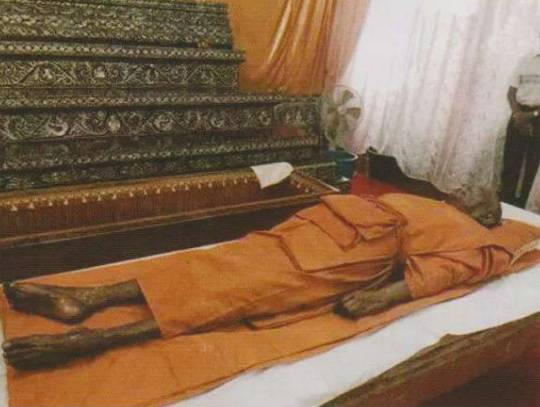
LP Sakorns mummy
It was under Luang Pu Tim’s careful mentorship that Luang Por Sakorn was advised to pursue additional study with Luang Pu Hin at Wat Nong Sanom until his skills reached mastery.

The sacred objects crafted and consecrated by Luang Por Sakorn have long been cherished by collectors and devoted worshippers alike. These objects are believed to carry miraculous powers and an enduring sacredness a belief that is supported by many years of stories and personal experiences shared by countless devotees.
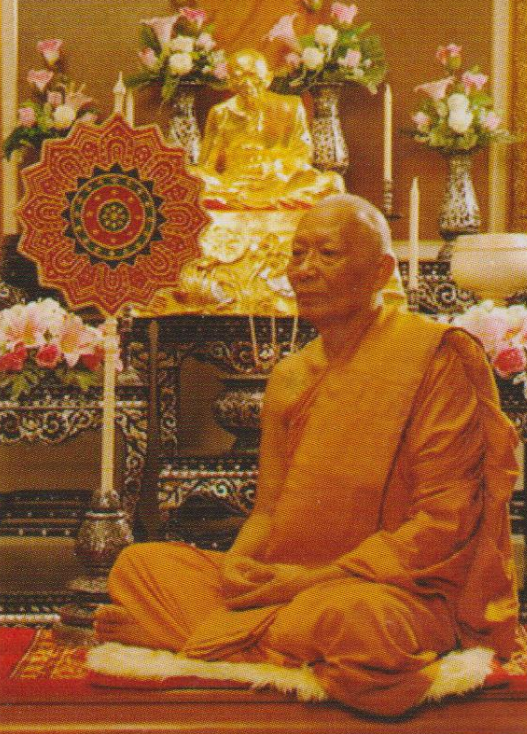
Below is a detailed explanation of the major sacred amulets and talismans attributed to Luang Por Sakorn, complete with the legends surrounding each object, their dates of creation, and the Physical details and marks (known as “tamni” and “Pim”) that help to identify each type:

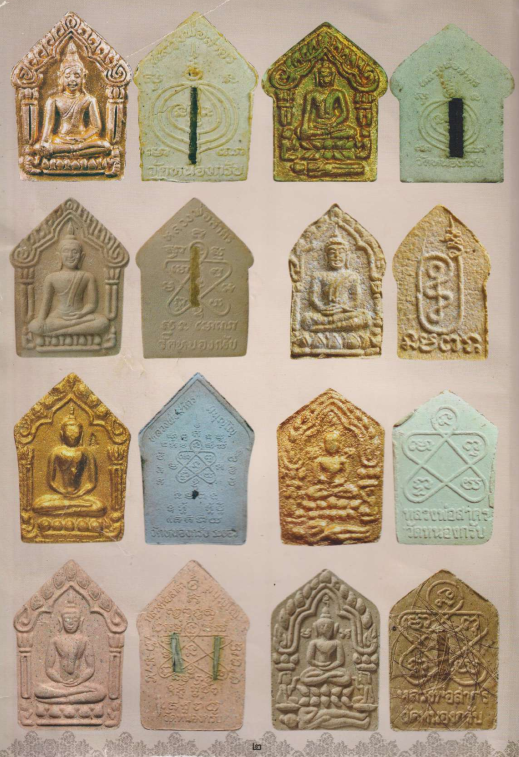
1. Pra Khun Phaen (Pong Prai Kumarn) – Nong Bua Klee Model

Year of Creation: 2543–2544 BE

This amulet is considered among the most famous sacred objects of Luang Por Sakorn. According to legend, Luang Por Sakorn performed a very powerful consecration ritual, employing age-old incantations and spells of great intensity. The ritual used pure “prai kumarn” powder, which was mixed with an herbal essence derived from the “Dork Tong” (Golden Flower herb) and other special sacred substances. The back side of the amulet features an image of Mae Nang Bua Klee, a female deity who symbolizes irresistible charm and an immense magnetism. Devotees believe that wearing or carrying this amulet endows the possessor with extraordinary powers in the realms of universal benevolence (metta maha niyom), fortune in wealth, and protection from various dangers and misfortunes.

Marks and Impressions:

• Large Print: Notable for its prominent, sharp, and detailed facial features, especially the distinctive, protruding nose.

• Small Print: Similar in design to the large version but rendered in a smaller size for more convenient carrying.

• Herbal Composition A: A formulation that mixes the “Dork Fai Tong” with pure Prai Kumarn powder. This version is both highly popular and considered the rarest in the collection.

• Herbal Composition B: A blend of Prai Kumarn powder with “bai laan” powder, which exhibits a darker hue and is known for its extraordinary potency.
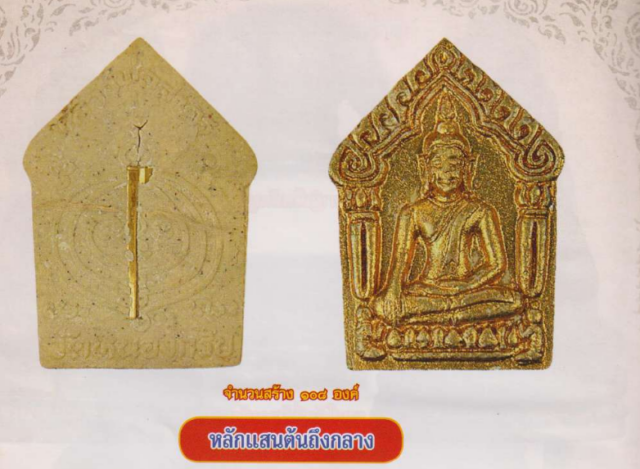
Khun Phaen Run Raek first edition amulet

Khun Phaen Run Raek first edition amulet

2. Pra Khun Phaen (Pong Prai Kumarn) – Sap Perm (Wealth Increasing) Model

Year of Creation: 2548 BE

This version of the Pra Khun Phaen was specially consecrated by Luang Por Sakorn with the purpose of blessing its devotees with an increase in material wealth and fortune. The ritual for this model involved a secret mixture of special powders that Luang Por Sakorn had accumulated over many years, including powder derived from very old sacred images some more than a century in age. The consecration process extended over an arduous period of nine days and nine nights, carried out by Luang Por Sakorn in the company of several famous monk-teachers.

Marks and Impressions:

• Large Print: Characterized by a striking, intense face that expresses a sense of formidable determination.

• Medium Print: Exhibits clear, well-proportioned details that highlight its aesthetic appeal.

• Small Print: A compact version that is easy to carry, ensuring that the spiritual benefits are accessible on the go.

• Herbal Mixture: A version prepared by combining Prai Kumarn powder with bai laan powder, resulting in a darker color that signifies high magical potency.
3. Luang Por Sakorn’s Sacred Coin – Sao Ha (Saturday-5) Model

Year of Creation: 2536 BE

This sacred coin was created on a Saturday that coincided with the lunar Phase known as “Ram 5 Kham,” believed to be an auspicious moment in ancient times. Luang Por Sakorn performed an intense consecration using ancient incantations passed down from Luang Pu Tim of Wat Laharn Rai. The coin is shrouded in legend and is reputed to bestow extraordinary protection; many devotees have shared miraculous accounts of narrowly escaping severe accidents and mishaps after carrying or venerating this coin.

Marks and Impressions:

• Golden Composition: There are only nine coins made with this material, making them extremely rare and valuable.

• Silver Composition: Noted for its sharp and intricate line patterns that underscore its divine craftsmanship.

• Metallic Composition (Nwona Lokhad): This version is popular among serious collectors due to its distinctive finish.

• Copper Composition: Although the most abundant among the variants, these coins have become rarer today because devotees tend to favor the other forms.

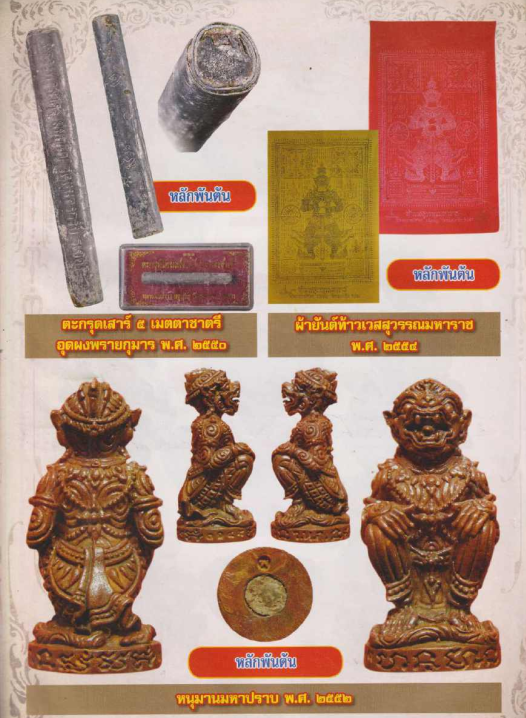
4. Takrut Tone (Sacred Amulet – Inscribed Dial) of Luang Por Sakorn

Year of Creation: This type has been produced in various models starting from 2530 BE onwards.

The Takrut Tone amulets are renowned for their association with national protection, invincibility, and immense charm. Luang Por Sakorn himself would inscribe these amulets with ancient sacred characters, using the mystical techniques he had learned from both Luang Pu Tim and Luang Pu Hin. There is a popular legend that soldiers and police officers who carried these inscriptions while on duty in dangerous areas were miraculously saved from violent confrontations and attempted assassinations.
Characteristics and Varieties:

• Takrut Tone with Silver: Approximately 3–5 centimeters in length, fully inscribed with sacred characters.

• Takrut Tone with Copper: Known for its high potency and favored for its strong protective qualities.

• Takrut Sam Kasat (Three Kings’ Takrut): This exceptionally rare model is an alloy blending silver, gold, and copper a combination that further amplifies its special properties.
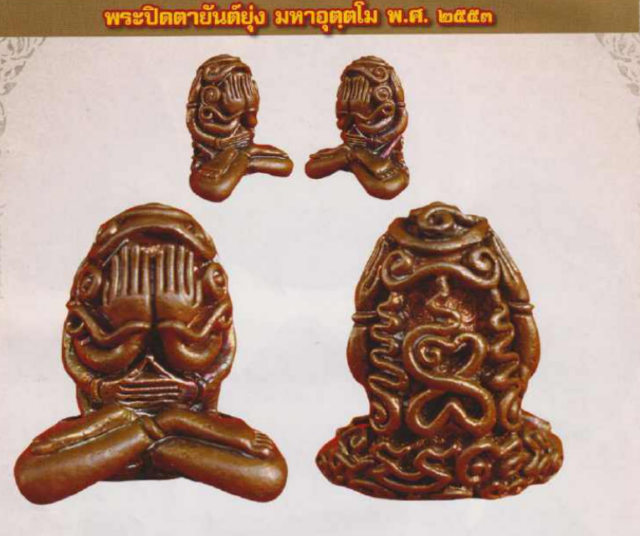
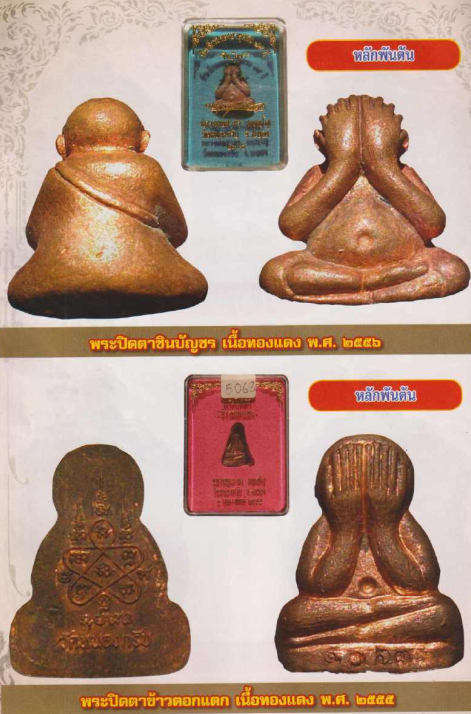
5. Pra Pidta (Eye-Covering Amulet) – Maha Lap (Great Wealth) Model

Year of Creation: 2540 BE

The legend of this Pra Pidta tells that Luang Por Sakorn combined the techniques of creating protective eye-covering amulets that he learned from Luang Pu Tim, with additional knowledge obtained from Luang Pu Hin. As a result, this amulet model acquired the unique power to safeguard its wearer and enhance their luck. Luang Por Sakorn used a sacred, ancient powder blended with a powder obtained from centuries-old sacred images and consecrated it over the course of seven days and seven nights. Many devotees have testified that those who venerate this amulet often experience unexpected successes in their work and receive abundant blessings.
Marks and Impressions:

• Large Print: Features a sharply defined, intense facial expression with the hand pose clearly indicating the “hama yat” (gesture to ward off misfortune).

• Medium Print: Offers well-balanced proportions and is highly popular among collectors.

• Small Print: Designed to be compact and portable, making it easy to carry everywhere.

• Herbal Composition A: A blend of bai laan powder with the ancient sacred powder, recognizable by its deeper hue and high potency.

• Herbal Composition B: A version with a lighter color, noted for its exceptional beauty and unique energy.
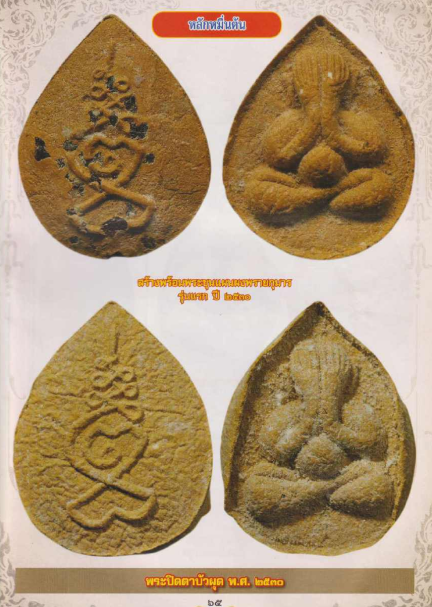
6. The First Model of Luang Por Sakorn’s Lion Amulet

Year of Creation: 2535 BE

The very first lion model crafted by Luang Por Sakorn is considered one of the rarest and most valuable sacred objects to date. According to legend, Luang Por Sakorn once received a divine vision in which he saw a golden lion appear in his dream. Inspired by this vision, he created the lion amulet using a mixture of several sacred substances, including ancient powders reputed to have been passed down from legendary spiritual ancestors. The consecration took five days and five nights, during which Luang Por Sakorn and several esteemed monk-teachers joined in the ritual. The resulting amulet is celebrated for its embodiment of spiritual power, courage, and protective force.

Marks and Impressions:

• Large Print: Notable for its majestic appearance and a presence that exudes power and dynamism.

• Medium Print: Distinguished by its balanced proportions and finely detailed craftsmanship.

• Small Print: A more portable version, making it convenient for devotees to carry this symbol of strength and protection.

• Nine Sacred metals Metallic Composition (Nava Loha): Highly prized for its beauty and intrinsic value.

• Copper Composition: Distinguished by its robust mystical energy and favored by many devotees.
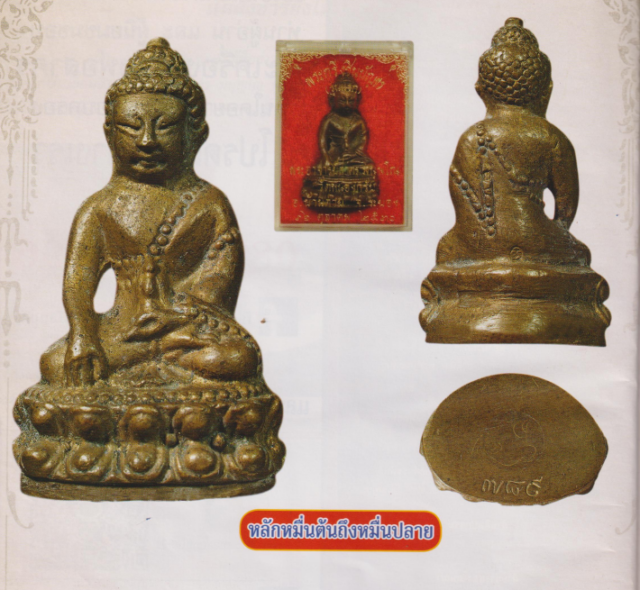
7. The Tiger Amulet – Champion in Battle Model

Year of Creation: 2545 BE

The tiger model, known as “Chana Seuk” (Champion in Battle), was created during a time when parts of Thailand faced social unrest and instability. It is said that Luang Por Sakorn deliberately created this amulet to be bestowed upon military personnel and police officers operating in dangerous areas. The ritual involved a special blend of sacred powders that had been accumulated over many years, including soil from ancient battlefields. The consecration was performed using particularly potent and age-old chants. Many devotees claim that those who have carried this tiger amulet have found not only Physical protection but also the courage to overcome adversaries, achieving victory over their enemies and evading all sorts of harm.

Marks and Impressions:

• Large Print: Features an aggressive, roaring posture that conveys both strength and determination.

• Medium Print: Shows detailed, well-proportioned imagery favored by collectors.

• Small Print: A compact and easily transportable version ideal for those who require constant protection.

• Metallic Composition (Nwona Lokhad): Admired for its aesthetic beauty and revered value.

• Copper Composition: Noted for its high mystical potency and cherished by devotees.

8. Luang Por Sakorn’s Sacred Bell – Charoen Porn (Prosperity) Model

Year of Creation: 2550 BE

Created during the later years of Luang Por Sakorn’s life, the sacred bell model named Charoen Ponr was said to embody all the accumulated spiritual knowledge and experiences the master had gathered over his lifetime. The creation of this sacred bell took as long as nine days and nine nights. It was performed by Luang Por Sakorn himself, accompanied by more than 108 renowned monk-teachers, each contributing to the ritual by mixing over 108 special types of sacred powders. Included among these ingredients was a powder derived from a Buddhist statue over 500 years old. This amulet is particularly celebrated for its ability to bestow universal benevolence, bring fortune and prosperity, and usher in spiritual success, as testified by many devotees.

Marks and Impressions:

• Gold Composition: Only nine pieces exist in this category, adding to its rarity and sacred value.

• Silver Composition: Recognized for its attractive and refined lustre.

• Metallic Composition (Nwona Lokhad): Especially popular among collectors due to its exquisite appearance.

• Copper Composition: Noted for its powerful spiritual energy and highly esteemed among the faithful.
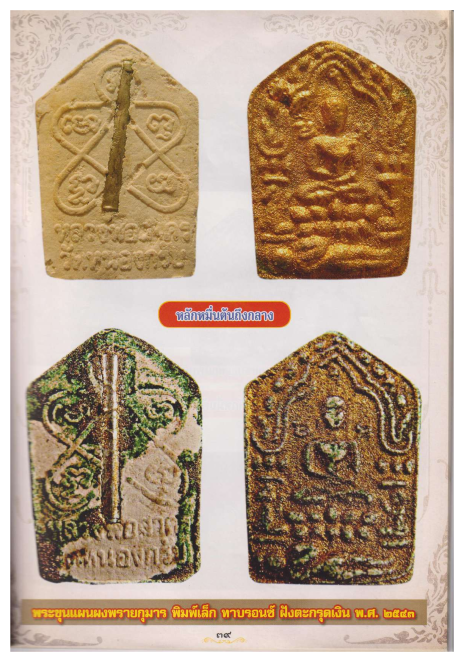
9. Sacred Talisman Cloth (Paa Yant) – Pha Yant Maha Sethee (Great Wealth) Model

Year of Creation: 2547 BE

The cloth talisman known as the Maha Sethee model, was developed during a period when Thailand was recovering from an economic crisis. In response, Luang Por Sakorn created this talisman to help bring wealth and prosperity to its devotees. The cloth was inscribed by Luang Por Sakorn himself, using a special ink prepared by mixing enchanted oil with “Maha Sanéh” oil the very oil he formulated from his deep understanding of sacred alchemy. The consecration process lasted for seven days and seven nights during a full-moon period. Countless devotees have claimed that worshiping this cloth talisman has led to remarkable success in their business ventures; some even report winning major government lottery prizes.

Characteristics and Varieties:

• Red Talisman Cloth: Intended for those seeking universal benevolence and deep compassion from others.

• Yellow Talisman Cloth: Designed to attract wealth and prosperity to the wearer.

• White Talisman Cloth: Associated with happiness, success, and overall well-being.

• Black Talisman Cloth: Reserved for those seeking invincible protection and the power to ward off misfortunes over a lifetime.

10. Paya Tao Ruean (The Tortoise Amulet) – Ruay Tan Jai (Instant Wealth) Model

Year of Creation: 2549 BE

The Instant Wealth model of the Tortoise Amulet was created following a divine vision experienced by Luang Por Sakorn. In this vision, he saw a golden tortoise leading an abundance of treasures and wealth directly to him. Motivated by this compelling vision, he set out to create an amulet that would rapidly bestow material prosperity upon its devotees. Its creation required the blending of a special mixture of powders that Luang Por Sakorn had gathered and stored over many years, including powders from ancient sacred relics and venerable statues.

The consecration ritual lasted for five days and five nights, performed by Luang Por Sakorn together with a team of well-known monk-teachers. It is said that many businessmen and traders who have venerated this tortoise amulet later experienced unexpected and substantial windfalls the kind of fortune that transformed their lives overnight.

Marks and Impressions:

• Large Print: Distinguished by its beautifully rendered details and an overall aesthetically pleasing design.

• Medium Print: Boasts finely proportioned and popular imagery among collectors.

• Small Print: A miniature version crafted for ease of carrying while retaining all the intricate details.

• Metallic Composition: Valued for its graceful appearance and revered as a symbol of spiritual and material wealth.

• Copper Composition: Known for its high mystical potency and widely popular among devotees.

How to Authenticate Luang Por Sakorn’s Sacred Amulets

To determine whether a sacred object attributed to Luang Por Sakorn is genuine, there are several critical factors that must be considered:

1. Material (Saua Watthu):

Genuine sacred objects by Luang Por Sakorn exhibit a unique material composition. For example, in the case of the Prai Kumarn powder, the texture is extremely fine and invariably mixed with herbs in a manner that can be observed by experienced devotees.

2. Calligraphy or Handwriting (Lai Mue):

In amulets such as the talismans or cloth inscriptions, the handwriting of Luang Por Sakorn is distinct and unique. Devotees who have seen his work can often recognize his style, ensuring that the object is indeed authentic.

3. Detailing (Rai La-iat):

True sacred objects feature finely detailed engravings, especially evident in the facial features and decorative patterns. Such clear, defined details are a hallmark of his masterful craftsmanship.

4. Weight:

Authentic amulets possess an appropriate weight they are neither too light nor excessively heavy. This balanced weight is seen as an indication of the right proportion of sacred materials used during the creation process.

5. Impressions or Stamps (Pim):

Each model has a unique set of impressions or marks that distinguish it from counterfeits. A thorough study and comparison of these marks can help authenticate the object, with each model (whether large, medium, or small) having its own distinct design patterns.

The Powers and Blessings of Luang Por Sakorn’s Sacred Objects

Luang Por Sakorn’s sacred amulets and talismans are reputed for their varied and potent influences. Their powers generally fall into four primary domains:

1. National Protection (Kong Grapan Chatri):

Certain models especially the talismans (Takrut Tone) and some sacred coins are renowned for their ability to shield the bearer from harm. Many devotees recount miraculous escapes from accidents or dangerous situations after carrying these objects.

2. Universal Benevolence (Metta Maha Niyom):

The Pra Khun Phaen models and other similar sacred objects are believed to enhance the wearer’s magnetism, making them more amiable and well-loved by those around them. Their influence is seen as transformative, endowing the possessor with a charismatic charm and a compassionate nature.

3. Wealth and Prosperity (Choke Laap and Rung Rueang):

Amulets such as the Tortoise Amulet, the Pra Pidta, and various cloth talismans are widely reputed to attract material wealth and good fortune. Devotees report successes in trade, business, and even unexpected lottery wins, attributing these strokes of luck to the blessings imbued in these sacred objects.

4. Spiritual Authority and Courage (Aman Barami):

The lion and tiger models, in particular, are celebrated for their capacity to enhance personal power, instil courage, and provide protection against Physical and spiritual adversaries. They are often seen as symbols of leadership and martial prowess, channelling the divine energy of the master into tangible protective power.”
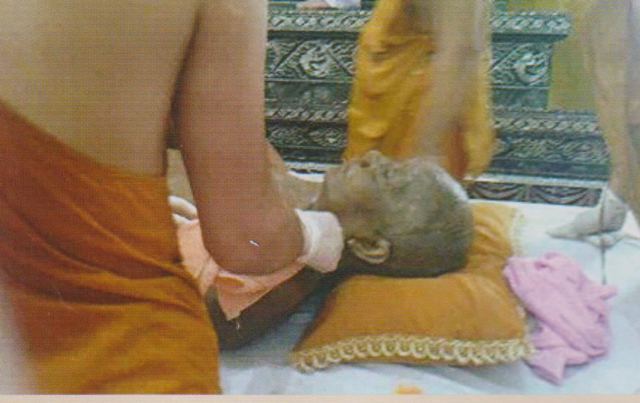
The Legacy of the First Apprentice: Luang Por Sakorn and the Pong Prai Kumarn

Luang Por Sakorn Manunyo was not just a follower; he was the primary apprentice (Looksit Aek) of the legendary Luang Pu Tim. He was the only disciple entrusted with the secret ratio and the complex creation method of the original Pong Prai Kumarn. This inheritance ensured that the sacred power of Wat Laharn Rai continued through his own consecrations at Wat Nong Grub.

About the Khun Phaen Pim Lek Nuea Chompoo

The ‘Nuea Chompoo’ (Pink Flesh) is a highly desirable variation among collectors. The distinct pinkish hue is often achieved through the inclusion of specialized ‘Wan’ (sacred herbs) and occasionally crushed semi-precious stones. These elements are believed to significantly amplify the ‘Metta Maha Saneh’ (Attraction and Charm) and ‘Maha Niyom’ (Popularity) properties, making it a potent choice for those seeking to enhance their interpersonal charisma.

The ‘Pim Lek’ (Small Model) is particularly prized for its exquisite detail and precision, proving that sacred power is not defined by size, but by the purity of the materials and the mental concentration of the master during the ‘Buddha Abhiseka’ (consecration ceremony).

Takrut Hua Jai Khun Phaen Luang Phu Sawad Wat Kaset Sukh 2552 BE

The Takrut Hua Jai Khun Phaen of Luang Phu Sawad, is now in the year of writing (2563 B.E.), an amulet immense rarity to see from what we love to call the Golden Age of modern Thai Buddhist Amulets (2535-2555 BE was an especially special time with an immense fervor for the magic of Thai Buddhist sorcerer monks, which is now seeing a new generation of devotees and collectors from the millennial era entering this wonderful niche, who will not remember this era, where monks like Luang Phu Sawad were among the top internationally known and preferred names, and a time when there were much less amulet makers than we see today, with the explosion of interest in Thai Occultism, Sak Yant Thai Temple Tattoos and Thai Amulets.

Takrut Hua Jai Pra Khun Phaen

The Takrut Hua Jai Khun Phaen is a Wicha, which belongs to High Sorcery (Wizardry), which Luang Phu Sawad received from one of his various Ruesi Kroo Ba Ajarn Mentors in Magic. The spell came from a Laoatian Ruesi Hermit, whose Wicha has become that of the Higher Adept Grade.

The Takrut Hua Jai Khun Phaen of Luang Phu Sawad grew very popular back in 2552 after its release, with many ladies and gay persons believing strongly in their successes coming from the help of this amulet. It is very small and easy to conceal, but also looks very pretty when worn as an accessory too. Since then, time has told its tale, and the Takrut Hua Jai Khun Phaen has successfully entered the annals of history as an all time classic and powerful amulet that has been time-tried-and-tested for well over a decade.

Takrut Hua Jai Khun Phaen LP Sawad

This sometimes can also be the cause of interest and the approach of a stranger, with questions about your amulet (what is that?). The Takrut uses the Lanna ‘Wicha Pitsamorn’ which is traditionally applied in the North, using the triple Takrut foils to imbue with three major blessings, and complete the spell according to the Dtamra Saiyasart Lanna.
Local Devotees like to call Luang Phu Sawad ‘Por Phu Ruesi’. This is because before he was a Monk, he was a practicing Ruesi practicing in the depths of the forest, residing in caves in Thailand, Cambodia and Myanmmar (then Burma). He travelled all over the place, collecting Wicha from various other practitioners (both Monks and Ruesi) who he met and exchanged magical arts with them, and mastered a great number of magic spells. Luang Phu Sawad needs little preamble for many Buddhists in South East Asia, such as Singapore and Malaysia, who know this Master very well and revere his amulets since decades.
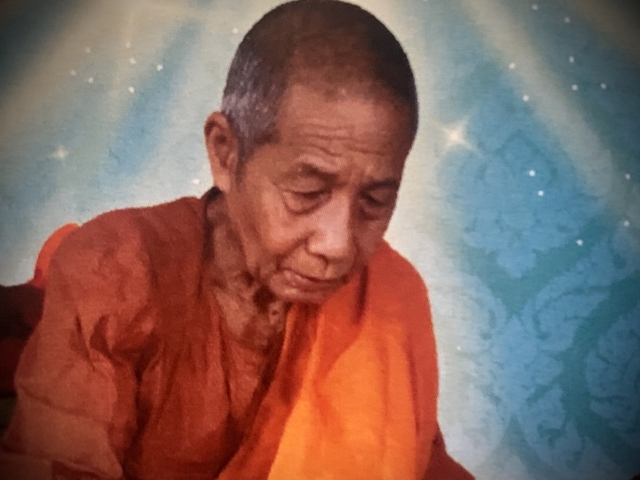
Luang Phu Sawad, of Wat Kaset Sukh, in Payao

During his early years of practice, Luang Phu remained in the forest until he became adept in both Wicha Akom (magical arts) and Vipassana Kammathana practice. Amulets that are powerful do not only come from knowledge of magical arts and ritual. The practitioner must also have developed mind powers to bestow the amulet with empowerment, normally meditation ability of the Jhanic level is required to empower amulets, and it is Vipassana Kammathana method which is one of the major causes the Jhanic power to arise in a practitioner.

Then one day he found a very old monk whose Baramee and purity was sufficient to be his Kroo, and he ordained. After his ordination, he asked to be able to wander on Tudong. As he travelled, the local Folk were filled with faith in Luang Phu and they gathered money together to buy some land for Luang Phu to build a Samnak Songk (small forest Sangha temple). Luang Phu then saw that the words of his Ruesi Kroo in the forest were true, and that he was destined to become a Gaeji Ajarn. So he began to develop the place he had been given, until one day, it had become the temple of Wat Kaset Sukh that is visited by devotees from all around the Country and Foreign shores too. The visitors who come to pay respects and beseech blessings from LP Sawad are increasing in numbers almost daily, as the word spreads about the various stories of people who used his amulets and saw very quick results according to what they were wishing for.

Takrut Hua Jai Khun Phaen Luang Phu Sawad


In the parlance of the Western world, the High Sorcerer dons the mantle of a Wizard—a parallel to the esteemed title of ‘Por Phu Ruesi’ bestowed upon Thai hermit sorcerers who wield profound powers. These luminaries transcend the necromantic forces of ‘Jom Khamang Waet,’ which rely upon the might of the deceased, instead harnessing their own psychic attainments to empower their craft. Por Phu Ruesi, officially known as ‘Luang Phu Sawad,’ unquestionably embodies the essence of a Lanna Wizard, wielding the profound magic of ancient times.

Luang Por Sawad Wat Kaset Sukh Payao

Suffice to say that LP Sawad has fulfilled both requirements to be able to be called an Adept practitioner. He stayed many years in the forest until one day his Kroo Ruesi teacher told him that he should go and ordain as a monk; ‘You can ordain already, you can be an Ajarn now’ he was told. So Luang Phu travelled up to the North to find an Upachaya monk who would be good enough to ordain him. LP Sawad would use his Jhanic powers to examine each monk, for he said that if the monk who ordained did not have enough Baramee (greatness and merit), then it could cause that Ajarn to become ill and have inauspicious Karma (referring to someone less realized Ordaining someone more realized).

Kata Bucha Takrut Hua Jai Khun Phaen Saen Sawat

Sunamolo Jidt-Dtang Pakinimae  Jidt-Dtang Bpuriso Na Ma Pa Ta

Chant and blow each time on the Takrut, each of the three times.

Luang Phu Sawad passed away on the 2nd Une 2014 (2557 BE), after building many improvements over the years at the temple, and extending the land by purchasing plots of land around the temple, to expand its facilities. Luang Phu was so diligent in this, that when the Looksit investigated the bank account of Luang Phu after his death, he was found to have only 50$ (1500 baht) in his personal possessio! This reflects what a selfless and non materialistic monk he was, despite having raised so many funds to develop the temple and many charitable public projects, he never used a penny of donations for even the tiniest personal benefit.

Below; Special Limited edition Look Om from the funeral ceremony of Luang Phu Sawad, released by Kroo Ba Dech

Kumarn Tong Thai Amulet 2548 BE Kruba Beng Wat Tanode

The Kumarn Tong Song Krueang Ongk Kroo Pim Yai 2548 BE Fang Mukh Sord Takrut Ngern Koo – Nuea Dam Paint See – Early Era amulet, is a very rare sacred powder amulet with 3 seapearls, 2 silver takrut, and a Chin Aathan Mortal Remains (Ghost Bone piece) hidden inside. It was created by Kroo Ba Beng of Wat Tanode during the Kern Maa Horn ‘Night of the Howling Dogs’ in 2548 BE. The amulet features the Kumarn Tong Song Krueang, a princely child spirit of the Deva Realms holding a sack of gold. The Kumarn is painted by hand with colored robes and aura. The Muan Sarn Sacred Powders are made of various elements mixed with See Pheung Gern Ber Neung Waxy Potion and Nam Man Prai Phii Dtaay Hoeng Necromantic Oil.

Kumarn Tong Kruba Beng 2548 BE Nuea Dam Fand Chin Aathan

The Kumarn Tong Song Krueang Ongk Kroo Pim Yai 2548 BE Fang Mukh Sord Takrut Ngern Koo – Nuea Dam Paint See – Early Era was blessed in a sacred necromantic ritual by 15 monks during the Kern Maa Horn ‘Night of the Howling Dogs.’ This ritual was performed in a haunted cemetery and empowered the Kumarn using the full formula of invocations for the Kata Akarn Sam Sip Sorng, 32 Elements of Living Beings Incantation. This ritual reanimated the spirit within the effigy.

Kruba Beng

Kroo Ba Beng is known for his Wicha Sariga Dong Celestial Himapant Forest Magpie, which is effective for sweet talking and convincing others with ‘Jerajaa’ speech enchantments, and for Metta Mahaniyom Mercy Charm, to use for Business Improvement. He imbued the Kumarn Tong Song Krueang Ongk Kroo Pim Yai 2548 BE Fang Mukh Sord Takrut Ngern Koo – Nuea Dam Paint See – Early Era with this Kaa Khaay Jerajaa Magic to induce mercy and great preference (bias) in the wearer’s favor. This is useful for those in a competitive arena, as it draws the interest and focus of the customer or lover towards the wearer.

Kroo Ba Beng’s amulets are highly sought-after, and he has become internationally known for his ability to imbue them with Metta Mahaniyom, Maha Sanaeh, Maha Lap, and Maha Pokasap power. His early era amulets are equally regarded as those of his magical companion and ex-accomplice Kroo Ba Krissana Intawano, and both Masters inherited the Wicha Teerayan from the Lao Ruesi Bangbod. Kroo Ba Beng’s amulets have a cult following in Thailand and Singapore.

Below; Ruesi Bangbod of Laos

Lersi Bangbod of Laos

Pra Pidta Pong Graduk Phii Ruay Pan Lan Edition Thai Amulets

Pra Pidta Pong Graduk Phii Ruay Pan Lan Edition

Powerful Thai Amulets By Pra Maha Somporn Released 2566 BE Wat Sotaram

Behold the Pra Pidta Pong Graduk Phii Ruay Pan Lan Edition, a collection of amulets of unparalleled power and occult magic crafted by the esteemed Pra Maha Somporn, and released in the year 2566 BE at the hallowed Wat Sotaram in Roi Et. These sacred votive tablets are infused with the necromantic energies of Nirodha Buddha Muan Sarn, created using the ancient Wica of Wat Po Ta Tian, and blended with the richest concentrations of Prai Luan powders, making them a true force to be reckoned with.

Pra Pid Ta Pong Graduk Phi Blue Powders

The Pra Pidta (Pid Tawarn) Run Ruay Pan Lan, in its special edition of 1000 million, is just one of the many versions available. Each amulet contains the mystical Hoeng Prai bone powders (Pong Graduk Phii), and features a unique blend of Muan Sarn, including the Bailan Grimoire Soot, Wan Sabu Luead Bloodsoap Herb, Cemetery Earths, and Earths from 7 Cemeteries of Wealthy Persons, Busy Markets, and Ports. Moreover, they are imbued with the potent Green and Blue Thao Long Vine Herb Tinctures, creating an unparalleled talisman of the highest order.

Pidta Pong Graduk Phii Nuea Khaw

Other versions of this collection include the Ongk Kroo A and B C models, such as the Nam Reuks models with three solid gold Takrut (which sold out even before their release), the Bucha Kroo with Triple Takrut Sam Kasat in Gold, Silver, and Bronze (limited to only 39 amulets), and the Gammagarn models with Takrut, Bailan Parchment spells, or other metallic amulets inserted into the clay of the rear face (limited to only 99 amulets in each color).

Blessing Ceremomy ImagesPhra Pidta Prok Po Ruay Pan Lan Nuea Pong Graduk Phii 2556 LP Somporn Wat Sotaram

The other models are also inimitable, and no two amulets exactly the same, some with Paeng Jerm sacred talc past from the hand of the monk to bless the amulets individually, or a piece of Civara Robe, or Corpse cloth pasted onto the front face, etc. The amulets were made in the following colors; White, Black, Blue, Green, Dark Orange, Purple, Red, Yellow, and Gon Krok (‘bottom of the mortar bowl’ effect mixed colors).

The edition included some special models in Ongk Kroo A and B C versions (Nam Reuks, Bucha Kroo, and Gammagarn Versions), with Nam Reuks models having 3 solid gold Takrut (only 20 made sold out before release pre-ordered), Bucha Kroo with Triple Takrut Sam Kasat (3 Kings Takrut in Gold, Silver and Bronze – only 39 amulets made), and Gammagarn models with Takrut, Bailan Parchment spells, or other metallic amulets inserted into the clay of the rear face (only 99 amulets made in each color).

Phra Pidta Prok Po Ruay Pan Lan Nuea Pong Graduk Phii 2556 LP Somporn Wat Sotaram (Roi Et)

The amulets were made in the following colors; White, Black, Blue, Green, Dark Orange, Purple, Red, Yellow, and Gon Krok (‘bottom of the mortar bowl’ effect mixed colors).

YouTube player

The ‘standard’ (nothing common or ‘standard about this edition really!) models, are also inimitable and no two amulets exactly the same, some with Paeng Jerm sacred talc past from the hand of the monk to bless the amulets individually, or a piece of Civara Robe or Corpse cloth pasted onto the front face, etc.

The amulets come in an array of colors – White, Black, Blue, Green, Dark Orange, Purple, Red, Yellow, and Gon Krok (‘bottom of the mortar bowl’ effect mixed colors) – each imbued with its own unique energy. The ‘standard’ models are anything but common, with no two amulets exactly alike.

Some are blessed with Paeng Jerm sacred talc past from the hand of the monk, while others have a piece of Civara Robe or Corpse cloth pasted onto the front face, imbuing each amulet with its own special aura. A very few amulets were empowere with the insertion of a coffin nail, or other items in rear face, such as a Nang Kwak coin, a one baht blessed money cin, and the like, rendering each amulet highly individual to each owner.


Takrut For Lottery Libido Health Stamina and Wealth LP Simpalee

Takrut Maha Lap LP Simpalee Takrut Tone Phaen Ngern Choke Lap Ud Pong Serm Palang Gaay, Pasom Wan Maha Hlong, 2.5 inches long, in Nuea Ngern Solid Silver Yantra Foil, with hand inscriptions, code stamps, and picture of LP Simpalee, filled with the famous Health & Libido Increasing Magical Powders that have become a world famous phenomenon, and Wan Maha Hlong Herbal Powders for Maha Sanaeh Power of Attraction. 1999 of these amulets were made in limited edition.

Empowered in 2564 BE at the temple of Wat Pha Chai Ruam Mit in Loey, celebrating the building of the Hor Rakang Temple Bell Tower, and also 126 years of life of the Master, in Putta Pisek Ceremony within the Uposatha Shrineroom, after a preceding 3 month Traimas period of uninterrupted nightly blessings, by the Great aged monk, LP Simpalee, who in the year of release of this edition (2564 BE), has reached the age of 126 Years old, becoming the longest still living Master Monk of his time.

Luang Por’s amulets have increased in popularity around the country, and south east Asia, and even to Buddhists and Practitioners of the Occult in the Western World, after it became Nationally known that his amulets have real power, and furor was set loose, causing his amulets to increase in price and rarity since many years already.

YouTube player

Luang Por Simpalee’s amulets are famously reputed for their power to work with all devotees, and to give sure results .The Buddha taught us that nothing in Life is Certain, but the amulets of Luang Por Simpalee, are as close to a certainty as one could possibly get with an Amulet in this Era. His amulets are now extremely sought after, and very difficult to encounter, due to immense demand from devotees around the world.


Few Masters can reflect such an amazing trajectory these days, and few can display such easily visible miraculous traits of meritorious practice. One of the last remaining direct Looksit of Luang Phu Mun, and one of the last remaining Masters of the previous Generation of Guru Monks to remain with us.

This Grand Master of the grand age of 126 years old (written 2022), is now highly in demand for his extremely powerful and authentically made Amulets. Luang Por Simpalee’s extreme attention to detail and faithfulness to the authentic methods of applied Magical Wicha Saiyasart, have made his amulets among the most highly sought-after in the present era.

His affinity and power to call the Magical Lek Lai Kaya Siddhi elemental substance, is renowned throughout the country and in various other countries of south-east Asia. His use of ground up powdered Lek Lai substance in the Muan Sarn Sacred Powders used for his Amulets, has become truly a trademark, as well as his use of his most highly desired Rae Perm Palang Gaay, sacred herbal and mineral ingredients, which have the power to heal a multitude of illnesses and mortal afflictions, and increase Libido.

The Wicha used in this amulet uses Thai Lanna Sorcery, and is a Talismanic ‘Krueang Rang’ (Occult charm/talisman) and is filled with the Libido INcresing Rae Palang Gaay Powders that have become so popular worldwide, for their stamina incresing, health improvement, and libido increasing powers..

YouTube player

The specific empowerments performed by Luang Phu Simpalee have endowed this amulet with Powerful Wicha, for Good Karma, Anti Black Magick and Protection, but not only. The Muan Sarn of the amulet and empowerments also are filled with Rae Palang Gaay, and Wan Maha Hlong for Healing, Libido Increase Maha Sanaeh Power of Attraction, Metta Mahaniyom Mercy Charm, Klaew Klaad, Kong Grapan Evasion and Protection, Serm Duang, & as expected from his Amulets, Maha Lap and Maha Pokasap. Luang Por performed his empowerments ubiquitously, in the way he always does, which is for those who know him, one of the most powerful empowerments one could expect, although he does not make a grand show of it.

YouTube player


This is something that is often seen with Arahantsm and Highly realized Master Monks, who simply empower the amulets with pure and powerful magic, but do not make a visible show of it, for magic, is indeed invisible to the naked eye. So there are no amazing fireworks, or special effects with this Great and Ancient Forest Monk, but the real effect of magical power, is more what Luang Por prefers to concentrate on.

Takrut Maha Lap LP Simpalee fille dwith Libido Increasing, and Wealth Increasing Powders

In his usual silence manner and extreme focus, he blocked out the world, and focuses inwards to channel the streamflow of the Buddhas. He invokes and raises these Powers, and Transmits them outwards, embedding the power of the Buddhas Accomplishments, and the power of his own Sorcerous Incantations within the amulets. This special 2564 Edition included many different amulets, with the official list of the temple documentation being;

1. Daw Sethee Run 2 second edition Star of Wealth with Rae Palang Powders, Wan Maha Hlong Powders, and Lek Lai Sethee powdered Kaya Siddhi Elemental Substance. These were made in 4 different versions in different numbers; (1) With Gold Takrut Tong Kam, & Lek Lai Piece Inserted – 99 amulets made. (2) With Silver Takrut Ngern, & Lek Lai Piece Inserted – 199 amulets made. (3) With Copper Takrut Tong Daeng, & Lek Lai Piece Inserted – 299 amulets made. (4) With Rae Palang Gaay and Wan Maha Hlong, and Lek Lai Crystals sprinkled – 499 amulets made.

2. Takrut Choke Lap Ma Ha Nuea Tong Lueang Brass Takrut Scroll Spell with Sinjana Cords, Herbal Lacquer Dipped with Gold Leaf, filled with Rae Perm Palang Gaay Libido and Health/Strength Increasing Powders and Wan Maha Hlong Maha Sanaeh Powders.

3. Takrut Rueay Hmeun Lān Nuea Ngern Pasom – Silver-Alchemical Metal Admixture Takrut Foil Scroll Spell, filled with Rae Perm Palang Gaay Libido and Health/Strength Increasing Powders and Wan Maha Hlong Maha Sanaeh Powders.

4. Duang Ta Tee Sām, in Nuea Tong Lueang Sacred Brass, with rear face – Third Eye/ Eye of Horus filled with Rae Perm Palang Gaay Libido and Health/Strength Increasing Powders and Wan Maha Hlong Maha Sanaeh Powders, 2 Sariga Birds, Ploi Sek Maha Pokasap Enchanted Gemstones, Pratat Relics, & Lek Lai.

Luang Phu Simpalee

5. Daw Hok Chaek – 6 Sided Pentacle Yantra (Seal of Solomon), filled with Rae Perm Palang Gaay Libido and Health/Strength Increasing Powders and Wan Maha Hlong Maha Sanaeh Powders, In Koo, Ploi Sek Maha Pokasap Enchanted Gemstones, Pratat Relics, & Lek Lai. Sethee.


6. Duang Ta Sorn Daw double Solomonic/Vedic Yantra Spell, in Nuea Tong Lueang Sacred Brass, with rear face filled with Rae Perm Palang Gaay Libido and Health/Strength Increasing Powders and Wan Maha Hlong Maha Sanaeh Powders, In Koo, Ploi Sek Maha Pokasap Enchanted Gemstones, Pratat Relics, & Lek Lai. Sethee.

7. Pra Somdej Nuea Rae Perm Palang Gaay Pasom Wan Dork Tong Herbal Powders (all rare subgenuses), with Rae Lek Lai Sethee crystals sprinkled, and Lek Lai piece inserted – 499 amulets made.Takrut Maha Lap LP Simpalee filled with Rae Serm Palang Gaay Libido Increasing, and Rae Lek Lai Sethee Wealth Increasing Powders

8. Pra Luang Phu Tuad Nuea Rae Perm Palang Gaay Pasom Wan Dork Tong Herbal Powders (all rare subgenuses), with Rae Lek Lai Sethee crystals sprinkled, and Lek Lai piece inserted – 499 amulets made.

9. Duang Ta Jakrawal Eye of the Universe – in Nuea Rae Perm Palang Gaay Pasom Wan Dork Tong Herbal Powders (all rare subgenuses), with Rae Lek Lai Sethee crystals sprinkled, In Koo statuette, Takrut, Chanuan BeaPloi Sek, and Look Namo with Numbered Series code stamp and Lek Nam Pi – 499 amulets made.

10. The 2562 BE Takrut Dtad Gam Dork Yai (Takrut Kote Sethee) Ud Pong Rae Serm Palang Gaay Pasom Lek Lai Sethee to Reduce Karma & Increase Libido – Gold Leaf Coated Takrut Tone with Code Stamp, in Dork Yai and Dork Lek ()large and small versions), filled with Rae Serm Palang Gaay Libido, strength and health Increasing minerals, and Lek Lai Sethee Wealth Attracting powders, mixed with Wan Maha Lap and Wan Sethee sacred herbs. 399 Made in Dork Yai (large size), and 499 Made in Dork Lek (small size).

11. Jao Sua Maha Lap Ud Rae Serm Palang Gaay Ud Pong Rae Serm Palang Gaay Pasom Lek Lai Sethee Buddha Images, filled with Rae Serm Palang Gaay Libido, strength and health Increasing minerals, and Lek Lai Sethee Wealth Attracting powders, mixed with Wan Maha Lap and Wan Sethee Sacred Herbs


Takrut Dtad Gam Reduce Bad Karma Increase Wealth Thai Amulet LP Simpalee

Maker of Amulet: Luang Por Simpalee. Temple of Origin: Wat Pha Wichai Ruam Mit (Woramit). Year of Issue: Made in 2562 BE, Empowered for 2 Years, and Released along with amulets of the 2564 BE Edition. Weight: 20 Grams. Type of Amulet: Hand Inscribed Sacred Geometry Scroll Spell.
Magical Effects: Dtad Gam, Serm Yos, Serm Duang, Maha Lap, Metta, Jerajaa, Kaa Khaay. Material: Takrut Scroll Spell with Rae Perm Palang Gaay Libido Increasing Powders, Lek Lai Sethee, Wan Maha Lap, Wan Maha Sanaeh. Recommended Uses: Good Karma, Success, Wealth, Health, Physical Strength and Libido, Good Business. Size of Amulet: 4 Inches Long. Number of Amulets Made: Only 399 Made in this extreme limited edition. Edition (Purpose of Making): Sang Sum Pratu

Presenting a most highly acclaimed and in demand Thai Amulet; the Takrut Tone Dtad Gam (Cut off Bad Karma) Ud Pong Rae Serm Palang Gaay, Lek Lai Sethee, Wan Maha Lap, and Wan Sanaehf tht. The Takrut was released in two sizes, Dork Yai, measuring 4 inches long, and Dork Lek, measuring 2.5 Cm.

The Takrut were fashioned from a metallic hand inscribed Yantra Foil Spell, and filled with the famous Rae Serm Palang Gaay, Health & Libido Increasing Magical Powders, that have become a world famous phenomenon, with Lek Lai Sethee Wealth Attracting Katya Siddhi Element, Wan Sanaeh for Maha Sanaeh Power of Attraction, and Wan Maha Lap Herbal Powders, for Lucky Fortunes.

LP Simpalee

Empowered in 2562 BE at the temple of Wat Pha Chai Ruam Mit in Loey, you fund the building of the Sum Pratu Arched Entranmce to the temple, and also 124 years of life of the Master in that year. Blessed in Putta Pisek Ceremony within the Uposatha Shrineroom, after a preceding 3 month Traimas period of uninterrupted nightly blessings, by the Great aged monk, LP Simpalee, who in the year of making of this edition, had reached the age of 124 Years old, becoming the longest still living Master Monk of his time (Made in 2562 BE/2020 AD, and released later after a further 2 years empowerment, in 2564 BE).

Takrut Ud Rae Serm Palang Gaay LP Simpalee

This special 2562 Series was empowered for two years in solo by Luang Phu Simpalee, with additional individual empowerments from the Great Luang Por Aditep, and Ajarn Geng. They were then released along with the 2564 Edition, which included many different amulets, all in small limited series numbers.

This series is expected, as usual to deplete and sell out completely in a very short time, as has been seen withg all previous editions of amulets which contain the miraculous Rae Serm Palang Gaay Health, Strength and Libido Increasing Magic Powders, and his Lek Lai Sethee Wealth Attracting Kaya Siddhi Elemental Substance.

Pra Pid Ta Holy Water Soaked Thai Buddha Amulet Wat Bovornives

The Pra Pid Ta Jaroen Lap YSS Chae Nam Mont Prayer Water Soaked Thai Buddhist amulets were blessed by Royal Commission with his Holiness Somdej Prayan Sangworn (Sangkaracha) presiding over the Buddha Abhiseka Ceremony to perform empowerment and blessings, and chant the Dhamma Chakra to open the eyes of the Buddha, as is ubiquitous in Amulet and Statue blessing ceremonies (Buddha Abhiseka).

The rear face of the Pra Pid Ta amulet has the Sacred Yant Ongk Pra (also known as Yant Nam Tao gourd Yantra, due to the likeness in shape of the Buddha symbol, to a water-gourd), the YSS Royal emblem, and signature of Pra Sangkaracha. Being medium in size, the amulet would fit both men and women, equally well. The Pra Pid Ta should protect you, assist in maintaining focus at work, play and in meditation, and evade dangers, attract wealth, and liberate you from debts.

various models were made, in Pim Lek (smaller) and Pim Yai (larger) versions, in various versions of Muan Sarn Sacred Powders, including Nuea Pong Puttakun, Nuea Bailan, Nuea Wan Dork Tong, & Nuea Wan Chae Nam Mont. The edition was released as is ubiquitous with Royally approved editions of Pra Sangkarach, along with a range of Pra Somdej Buddha Image votive tablets. The Pid Ta is from one of Thai History’s most Holy Monks, who was the official head of the Sangha and Royally appointed Abbot of Wat Bovornives Temple. The amulet is a respectable and highly sacred amulet, to pass on down in the family through generations. This is what has come to be known as ‘Heirloom Amulets’, for their Sacred and Historical Value, and their Immortality of Repute as a high class pure Buddhit Amulet from one of the purest monks we have seen in the modern era, with a host of other famous Gaeji Ajarn Guru Monks to perform the Buddha Abhisekha (Putta Pisek) ‘awakening of the Buddha’ Blessing Ceremony.


In Thailand, such Nationally Respected Amulets are considered family heirlooms. The beauty of the Pra Pid Ta amulet, the Sacred Blessings of its now deceased maker, and the respectable age and visual characteristics, make this a sacred amulet that is highly desirable for Buddhists who seek improved meditation, wealth, rid of debt, lessening of suffering. The Pra Pid Ta represents a monk entering the meditative state of Nirodha, which means the cessation, or extinguishing of all sufferings.


Nirodha Sacca (Pali, also nirodha saccã; Sanskrit: nirodha satya) — is the third of the four noble truths within Buddhist tradition. Nirodha means “cessation” or “extinction”, and sacca means “truth” or “reality”. Thus, nirodha sacca is typically translated as the “truth of cessation” or “truth of the cessation of suffering.” It refers specifically to the cessation of dukkha (suffering) and its causes; the experience of this cessation is referred to as nirvana. Nirodha can have the following meanings: cessation, extinction, the cessation of Dukkha, release,
“control or restraint”.


Nirodha sacca refers to “the cessation of all the unsatisfactory experiences and their causes in such a way that they can no longer occur again. It’s the removal, the final absence, the cessation of those things, their non-arising.”[1] According to the Buddhist point of view, once we have developed a genuine understanding of the causes of suffering, such as craving (tanha) and ignorance (avijja), then we can completely eradicate these causes and thus be free from suffering

This is symbolized by the fact the Buddha/Meditating Monk, is closing his eyes and/or other orifices with his hands, to block out any external disturbances, and focus within, on emptiness.


Pure Buddhanussati, with the Sacred Buddhist Blessings of one of the Purest Monks of the last Century, made from powerful yantra powders with the Yant Ongk Pra and the signature of Somdej Prayan Sangworn emblazoned on the rear face, as his personal Sacred Blessing.


Somdej Prayan Sangworn, or endearingly known as ‘Pra Sangkarach’, was the Head Monk of the Royal Palace and Administrating Monk at Wat Boworn also. He was the highest Official Status that a Monk can attain in Thailand. He passed away at the ripe age of 100 years and 21 days Years old in 2556 BE. His legacy and amulets remain for the faithful to keep as heirlooms and Buddhanussati. All editions of amulets of the Sangkaracha are now becoming ever rarer since his passing away, and this particular edition is yet another essential rarity and collectible amulet with auspicious Buddha-Magic, for both the sacred Blessings from the Sangkaracha, as well as for its great Historical Value as the 50th anniversary memorial edition of the Indojin Ceremony, which is one of the three greatest and largest master ceremonies of Thai Buddhist History.


You can use the Kata Pra Pid Ta or/and Kata Ārātanā Pra Krueang incantations, to call upon the power of the amulet, and beseech blessings. Kata Pra Pid Ta, or, ‘Pra Pakawambodee’ is one of the most powerful Kata to Chant for increasing Riches as well as protection, reducing sufferings and illnesses and incrementing Happiness and Luck.

The Pid Ta amulet is one of the most popular of Thai amulets, and has been made by so very many temples and masters from all Provinces, that it is now classed as an important member of the Benjapakee family of classic top five types of Thai amulets.


Kata Pra Pid Ta

Namo Puttassa Kawambadtissa Namo Tammassa Kawambadtissa Namo Sangkassa Kawambadtissa Sukha Sukha Warang Na Mo Puttaaya Ma A U Tugkhang Anijjang Anatta Jewa


Pra Kata Pakawambadee

Kata Pra Pakawambodee is one of the most powerful Kata to Chant to Pra Pid Ta for increasing Riches as well as Protection, reducing Sufferings and Illnesses and incrementing Happiness and Luck.


Tamma Jaggang Bpatang Sudt Dtawaa Puch Chidt Dtawaa Adt Dtang Bpatang Sandtigae Arahaa Laapo Logaanang Hidtagaranaa Pandtae Pawam Bpadtinaama Dtisulokae Subpaagadto Prahma Budt Dto Mahaa Thaero Araho Chaedtago Muni Bpidt Dti Thaero Samo Inta Kantappaa Asuraa Taewaa Saggo Prahmaa Pi Bpuchidto Na Mo Put Tas Sa Kawam Bpadtissa Na Mo Tammassa Kawam Bpadtissa Na Mo Sangkassa Kawam Bpadtissa Sukhaa Sukha Warang Tammang Tammajagga Bpawarang Warang.


Pra Pid Ta amulets, as well as Pra Pid Ta in form of Pha Yant, and Bucha statues, have been produced as objects of reverence and protection since very ancient times in Thailand. The artisans of that time created various styles and interpretations using the various periodic influences of Buddhist art and sculpture available at the time.
Various Deity forms were used to make the Pid Ta posture (‘Pid Ta’ means ‘covering the eyes’)


Various Buddhas or Bodhisattvas or Deities are fashioned into the posture of Pra Pid Ta, or Pid Tawarn (meaning ‘closing the orifices). Pid Tawarn can close 7, or 9 orifices (seven being called ‘Pra Pid Sadtatawarn’ and nine being called ‘Pra Pid Navatawarn’). The Pra Pid Ta is considered to be an amulet with ‘Maha Ud’ and ‘Kong Grapan’ power (invincibility and gunstopping power), but is also made as a wealth bringer. In this which case, the amulet will be called ‘Pra Pid Ta Maha Lap’.

In order to inflect a greater resonance for wealth attraction and auspicious blessings, in addition to the Maha Ud and Kong Grapan magic, ancient artisans sometimes would use the image of the Sangkajjaiyana Buddha of riches and happiness, and carve it in the Pid Ta posture.

Below; Somdej Prayan Sangworn (Sangkaracha – R.I.P.) with His Majesty King Bhumiphol Adulyadej

Somdej Prayan Sangworn (Sangkaracha) and His Majesty King Bhumiphol Adulyadej

Somdej Prayan Sangworn, or endearingly known as ‘Pra Sangkarach’, was the Head Monk of the Royal Palace and Administrating Monk at Wat Boworn also. He was the highest Official Status that a Monk can attain in Thailand. His amulets are of the Eternal variety, that never reduce in popularity and always increase on value and rarity. All Thai Buddhist Devotees are extremely devoted and hold the Sangkaracha in the Highest esteem who has been known for his great purity of practice, and who has been seen to recieve the respect and reverence of His Majesty the King of Thailand, making him most certainly the most nationally revered monk of the last half century in Thai Buddhist History.

His Holiness the Sangkaracha passed away now, leaving his deeds and is amulets for us to remember and to pray to for his Blessings. His legacy and amulets remain for the faithful to keep as heirlooms and Buddhanussati. All editions of the Sangkaracha are now becoming ever rarer since his passing away, and are highly preferred, for the sacred Blessings from the Sangkaracha Monk.

Kata Ārātanā Pra Krueang

PUTTANG ĀRĀTANĀNANG TAMMANG ĀRĀTANĀNANG SANGKANG ĀRĀTANĀNANG – MAKE A WISH/PRAYER AND CONTINUE WITH; PUTTANG BPRASITTIMĒ TAMMANG BPRASITTIMĒ SANGKANG BPRASITTIMĒ

His Holiness passed away at the ripe age of 100 years and 21 days Years old in 2557 BE. His amulets and especially those in his image, are now becoming ever more in demand, since his passing. His Trajectory of Purity and Auspicious Actions throughout his life, have led to his image and is amulets becoming very Sacred and Revered in Thailand.

Types of Thai Amulets & Occult Charms

There is a Plethora of Thai Amulets to be found within the immensely grand pantheon of types of Thai amulets found in historical records. Thai Amulets exist in many forms in Thailand, and are made by many different traditions and ethnic groups. The types of Thai amulets and their empowerment methods, are different, depending on each grimoire, temple, master monk and ethnic group, such as the Isan People, The Southern Thais who prefer the Khao Or Magical Tradition, The regional Masters of Chonburi, Lopburi, Supannburi, Pethcburi, Chumporn, Yala, Songkhla, Pattalung, The Tai Yai Hill Tribes, the Kanjanaburi district Burmese Influences Magical Tradition, and the Great Lanna Masters of the Nothern Provinces;

Here is a list of just some, if only a very few, of the main types of Thai Amulets found in the present day, and in olden days.

Pra Pid Ta

Pra Pid Ta Chae Nam Mont Song Nam

Pra Pid Ta Chae Nam Mont Song Nam Edition Prayer Water Soaked Por Tan Bun Hai Wat ta Muang

Pra Pid Ta Sorng Hnaa 2 faced amulet Luang Por Kron, Wat Bang Sae (Malaysia)

Pra Pid Ta Maha Lap Luang Phu Kambu Wat Gut Chompoo, released in small amulets and large Bucha Pra Kring.


Phra Pidta Buddha Amulets

Pra Pid Ta Amulets in Ancient Amulet Store

YouTube player
YouTube player

YouTube player

Thai Buddha Amulet Types

Different Kinds of Buddha Rupa Thai Amulets, in different shapes and substances.

Thai Occult Charms and Ritual Item (Krueang Rang)

Singha Lions for Maha Amnaj  & Tiger amulets

YouTube player

Sacred Powder Amulets

YouTube player
YouTube player

Sacred Powder Amulets of Both Buddhist and Occult Origins.

There is a Plethora of different kinds of Buddhist and also Occult Amulets of Black, White and Gray Magic, as well as Necromantic Sorcery, Animist Charms and Talismans which are made from powdered sacred substances. The types of amulets are so numerous, that it would be impossible to list them all, even if one should write for 40 years about it, and so I shall present you with a view of some of the most classic and highly favored, and unusual amulets in Sacred powders.


Mitmor Ritual Knives

Mitmor Daam Nga Ivory ritual knife of Luang Por Derm

YouTube player

Pha Yant – Yantra Cloths

Pha Yant, are Sacred Geometric or Deity/Guru Monk/Buddha images imprinted with silk screen, or inscribed by hand, which contain religious worship images, and occult spells for wealth, health, attraction, success, protection, and other purposes. The designs are almost endless, and are popularly placed on the wall in a frame like a painting, for Bucha (Worship).

Animist Charms

Animism was predominant belief system in ancient Siam and is still very strongly believed in to this day, and highly practiced by the Lay Sorcerers of the various traditions, and the Northern Lanna Hilltribe people. Animism is found also in Brahman Hindu Belief System, which came to Siam before the Advent of Buddhism,, and Thai Buddhism has not omitted these beliefs from the cultural faith of Thai Buddhist People although some movements within the Thai Sangha do wish to separate Animism from Thai Buddhism).

a classic Collectors Piece and a special acquisition for Buddhists who revere the Great Sak Yant Master Monk of Nakorn Pathom, Luang Por Phern, as well as for all Looksit of Wat Bang Pra and wearers of Sak Yant Tattoos. A powerful amulet for Maha Amnaj, Maha Ud, Kong Grapan Chadtri, Klaew Klaad, Maha Lap, Metta Mahaniyom Magic, and for Gurunussati remembrance of the Guru.

Free registered air parcel shipping is included. Below is a Video documentation of the 2545 Wai Kroo Sak Yant Master Day Ceremony, in reverence to Luang Por Phern, the 108 Lersi Hermit Gods of Sak Yant, and Wicha Saiyasart at Wat Bang Pra Temple, in Nakorn Pathom. Every year the crowds enter spiritual trances as the Monks perform incantations, which is a mysterious and miraculous phenomenon for which the temple is famous for, and the power of the magic of Luang Por Phern is seen to be present in the ceremony.

You can see Luang Por Phern as he was still alive in this, the final Ceremony he was alive for, which is one of the rare pieces of Video Footage available of the Grand Master of Sak Yant, and should hence be seen by any true disciple and devotee of Luang Por Phern.

YouTube player

A classic amulet from one of Thailands most Famous Masters and Temples, whose Merits and Magical Power has become heard of all over the World. Luang Por Phern (Pra Udom Prachanat), was one of this Century’s Greatest Master Gaeji Ajarn Guru Monks, and holds World Famous International Status as well as being a revered Monk of the Thai Royal family.

He was one of the most internationally famous monks all of this century mainly for his grand role in the promotion of Sak Yant Sacred Tattoos, And of course his powerful amulets which are now becoming ever more favored and ever rarer, and of course,ever more valued.

Sak Yant Masters of Fame and Grand Repute around Thailand can be seen to be devotees and students of the Lineage of Wat Bang Pra and Luang Por Phern, and his legacy has brought Sak Yant tattooing to become an international phenomenon, which has brought Thai Buddhism and Thai Occult to the attention of millions of devotees around the world. Wat Bang Pra is world famous for its yearly Wai Kroo Master Day ceremony to revere the Grand Master of Sak Yant ‘Pra Udom Pracha Naat Luang Por Phern Tidtakunoe’, and to bless the tens of thousands of Looksit who attend the ceremony.

Every year the crowds enter spiritual trances as the Monks perform incantations, which is a mysterious and miraculous phenomenon for which the temple is famous for, and the power of the magic of Luang Por Phern is seen to be present in the ceremony. Use the Kata Aaratanaa Pra Kreuang forBucha to the Pra Pairee Pinas Buddha, and the Kata Bucha Luang Por Phern Tidtakuno, to charge power, and beseech blessings from Luang Por Phern. Always hold Luang Por in your thoughts when praying and chanting to the , and beseech him for protection and Serm Duang Blessings. You can also use any and all Kata for Maha Amnaj (commanding power and influence) and Maha Ud, Klaew Klaad and Kong Grapan Chadtri which you may know.

Below; The rear face has the words ‘Dtai Rom Po'(in the shade of the Bodhi Tree), the Sacred Yant Nam Tao/Yant Ongk Pra, with the Khom Pali Agkhara Letters’MA A U’ (Invoking the Dhamma, Buddha, & Sangha), embossed on the central area, with the date 5 Tanwakom (5th December) 2542 BE embossed below the Yant Nam Tao

Always say Maha Namasakara three times before making any Kata for amulets;

Namō Dtassa Pakawadtō Arahadtō Sammā Samputtassa, Namō Dtassa Pakawadtō Arahadtō Sammā Samputtassa, Namō Dtassa Pakawadtō Arahadtō Sammā Samputtassa

Kata Ārātanā Pra Krueang

YouTube player

Puttang Aaaraatanaanang Tammang Aaaraatanaanang Sangkang Aaaraatanaanang

Make your Prayer/Wish and continue with;

Puttang Prasittime Tammang Prasittime Prasittime Sangkang Prasittime

Kata Bucha Luang Phor Phern

YouTube player

Biography of Luang Por Phern (Wat Bang Pra)

Kata Bucha Pra Pairee Pinas

(Chant as always, Namo dtassa pakawadto arahadto sammaa samputtassa 3 times first)

Arahang Sammaa Samputto Sujirang Bparinipudto Kunaehi Tammaanotaani Bpaaramiihi Ja Tissadti Yaawachiiwang Ahang Puttang Tammang Sangkang Saranangkadto Bpuuchaemi Radtanadtayang Tammang Jaraami Sodthinaa


Choo Chok Jujaka Lucky Charm Coin & Ya Wasana Jinda Manee

Rian Choo Chok Joong Nang Nuea Dtakua Jarn Mer Sacred Leaden Alchemical Alloy Amulet featuring Jujaka the Fortuitous Beggar, leading a Maiden by the hand, with hand inscribed Sacred Yant and Khom Agkhara spells inscriptions engraved into the rear face. Released by the fifth Master of the Magical Linage Wicha of Wat Klang Bang Gaew, Luang Por Kong (Sanya). The coin comes with Original Temple Box and the gift of a small ball of Look Pong Ya Wasana Jinda Maneem sacred powders of Luang Phu Bun, of Luang Por Kong, Wat Klang Bang Gaew.

This is yet another important edition in the Dtamra Legend and Historical Magical Linage, of Wat Klang Bang Gaew Classic Thai Buddhist Amulets, which are enjoying the Immortal success of four Generations of Abbots (with Non-Abbot Master Monk Ajarn Bai making a total of five Masters), who have continued and Maintained the various Wicha for which Wat Klang Bang Gaew is noted for, namely the Wicha Bia Gae, the Jao Sua, The Ya Wasana Jinda Manee Sacred Powder and Wicha Jinda Manee Montr

YouTube player

Empowered with the Invocations of Maha Lap of Choo Chok (Jujaka), and the Blessings of a host of Sacred Yant around the imagery of the front face of the amulet, bring a multitude of Magical Aspects, which, being made from Alchemical leaden Sacred Alloy is especially susceptive to absorbing the powers imbued by the master. The rear face is hand inscribed with the Yant Putsoorn and sacred Khom Agkhara.

LP Kong (Sanya)

The amulet is further empowered with the Traditional Wicha Maha Jinda Manee Montr, made famous by the great Luang Phu Bun, of Wat Klang Bang Gaew, which is undoubtedly the most famous of all Temples for the Wicha Jinda Manee Montr and is also famous for the Yant Maha Pokasap for increased Wealth and treasured Possessions. This particular series of amuilets possesses the ubiquitous powers of Protection (Klaew Klaad) to Evade Dangers, ‘Gae Jon’ (prevent Poverty and cashflow still-stands), ‘Maha Mongkol’ (Great Blessings of good Fortunes, Health and Wealth), and Maha Lap Maha Pokasap Wealthy and Lucky Blessings.

YouTube player

Lanna Wicha 1 Eye Coconut Carved Amulets KB Dtu Ing

Presenting a Special series of limited edition Jumbo Size Masterpiece Hand Made amulets in Kala Ta Diaw 1 eyed coconut shell, from Lanna Monk Kroo Ba Dtu Ing, of Wat Intrataep in Chiang Mai. The amulets of this extreme limited hand made series, were made from a small number of one eyed coconuts, which are extremely rare (1 in 100,000 or less), in the form of various Lanna Popular Deities, including Pra Rahu, and Paya Khao Kham (Lanna style Khun Phaen/Paetch Payatorn).

The Naturally Imbued Power Within One Eyed Coconut Shell

Kala Ta Diaw (one eyed coconut shell), is a highly sacred and powerful substance in Thai Sorcery, with power of Maha Pokasap Wealth and Treasure Attraction. Gae Aathan Anti Black Magick, and Kong Grapan Maha Ud Protective Power. Just the substance itself is said to possess extreme magical power, even without blessing or empowerment by any sorceror or monk.

Paya Khao Kam

Paya Khao Kam Nuea Kala Ta Diaw Gae Kroo Ba Dtu Ing

Paya Khao Kam Nuea Kala Ta Diaw Gae Kroo Ba Dtu Ing

Paya Khao Kam Golden Horned Maha Sanaeh Seduction Demon amulet, released by Kroo Ba Dtu Ing imbued with the powerful Wicha Paya Tae Krua Maha Sanaeh. This Paya Khao Kam Pim Jumbo size Ongk Kroo amulet is hand carved from Nuea Kala Ta Diaw, 1 eyed coconut shell, considered a very powerful substance for Maha Ud, Ud Sap, Maha Pokasap, and Maha Lap.Pure Wicha Thai Lanna Northern Sorcery. Filled with a mass of powerful magical substances in the rear face.

Paya Khao Kam, often called the ‘Lanna Khun Phaen’. or Lanna ‘Golden Horns’ Deva, in hand carved hand painted one eyed coconut shell, filled with Muan Sarn Maha Sanaeh Powders, 2 In Koo statuettes, 3 pieces of Chin Aathan Bone Pieces 14 Ploi Sek Maha Pokasap enchanted wealth attracting gemstones (2 in front face, 12 in rear face), and a small Glass Phial of Nam Man Prai Tang Glom Necromantic Serum inserted in the rear face from Kroo Ba Swatu Jao Ing (Pra Ajarn Rit Chai), otherwise lovingly known by the Lanna style Monk’s Nickname of ‘Dtu Ing’, of Wat Intra Taep in Chiang Mai (Wat In Taep).

The front face features a Northern Lanna Style carved image of Paya Khao Kham Golden Horned Seductive Demon Deity, an ancient Animist Deity of the Thai Lanna Sorcery Tradition surrounded by his ubiquitous entourage of beautiful Maidens. As Lord and Master, Paya Khao Kam is full of Maha Amnaj (commanding power and influence) over his entourage.

Closeup Image of Paya Khao Kam Kroo Ba Dtu Ing

Closeup Image of Paya Khao Kam Kroo Ba Dtu Ing

This large Ongk Kroo Paya Khao Kam amulet is an extreme limited series Ongk Kroo Masterpiece Version amulet, hand carved and embellished with exquisitely detailed colored front face, with 2 red Ploi Sek Gemstone inserts. The amulets were released in a small limited edition of traditional Lanna Amulets, which adhere to the Ancient Wicha Lanna Methods of Creation and Empowerment, including an extensive invocation of the Wicha Paya Tae Krua..

The rear face has two In Koo Devas of Love statuettes, three pieces of Necromantic Chin Aathan bone pieces of a Hoeng Prai Ghost, 2 Takrut Spells and 12 Ploi Sek Maha Pokasap Gemstones inserted into Black Maha Sanaeh Sacred Powder Muan Sarn, which is highly resinous through the mixture of herbal saps and prai oils.

Closeup Image of Rear Face of Paya Khao Kam Kroo Ba Dtu Ing

Closeup Image of Rear Face of Paya Khao Kam Kroo Ba Dtu Ing

The Wicha In Koo can also be invoked using Kata, to increase Maha Sanaeh within the amulet.

Pra Kata for Bucha and Synopsis of the In Koo Lanna Amulet.

The Paya Khao Kam is the Pra Khun Phaen Paetch Payatorn of the Lanna tradition). Paya Khao Kam is traditionally pictured in Lanna Mythology as a Man dressed in full rich regalia with a crown bearing two golden horns of plenty. He is embracing a harem of Attractive Ladies.


The rear face of the one eyed coconut shell is filled with powerful Muan Sarn Sacred Powder admixture with 2 Takrut Spells and 12 Enchanted Wealth Attracting Gemstone spells, with twin In Koo Devas of Love statuettes, 3 pieces of Necromantic Chin Aathan Bone pieces from a Hoeng Prai Deva who was Lucky in Gambling and became Rich, and a small glass phial with green Nam Man Prai Tang Glom Necromantic Serum Inserted into the sacred Muan Sarn clay.

The Paya Khao Kam, is a powerful Seduction and Mercy Charm, known for its power to possess many lovers and keep them all happy and fulfilled, to attract admirers, customers and friends. It is highly reputed for its Maha Lap and Maha Pokasap powers. This is of course a reminiscently similar imagery and indeed, similar magical effect as the Khun Phaen Jet/See Nang Lorm Wicha, which also features a Virile Successful Wealthy man (Khun Phaen) of Great Status and Power, encircled by Lovely Maidens.


Kroo Ba Dtu Ing empowered the amulets with the Wicha Paya Khao Kam, and Wicha Khun Phaen Paetch Payatorn. The Wicha invokes immense Maha Sanaeh, Jerajaa, Kaa Khaay, Metta Mahaniyom, Maha Lap, Siang Choke, and Maha Pokasap power, for seductive attraction, Mercy Charm, Convincing Speech, Selling Power, Lucky Fortunes in Life and with Gambling, Lottery or Speculative Market Investments, and Status with Treasure Accumulation


The Paya Khao Kam, is a powerful Seduction and Mercy Charm, known for its power to possess many lovers and keep them all happy and fulfilled, to attract admirers, customers and friends. It is highly reputed for its Maha Lap and Maha Pokasap powers. This is of course a reminiscently similar imagery and indeed, similar magical effect as the Khun Phaen Jet/See Nang Lorm Wicha, which also features a Virile Successful Wealthy man (Khun Phaen) of Great Status and Power, encircled by Lovely Maidens. Thai Lanna Sorcery is a subject you can read about in Ajarn Spencer Littlewood‘s Epublication ‘The Book of Thai Lanna Sorcery‘


Kata Paya Khao Kam(Paya Tae Krua)

 Pra Rahu Kala Ta Diaw

This large Ongk Kroo Pra Rahu amulet is an extreme limited series Ongk Kroo Masterpiece Version amulet, hand carved and embellished with exquisitely detailed colored front face, 4 Takrut Spells and 8 Ploi Sek Maha Pokasap Gemstones inserted into Black Maha Lap Sacred Powder Muan Sarn in the rear face

Pra Rahu Kala Ta Diaw Ongk Kroo Carved 1 Eye Coconut Shell Asura Eclipse God 4 Takrut 8 Ploi Sek Gems Kroo Ba Dtu Ing

Pra Rahu Kala Ta Diaw Ongk Kroo Carved 1 Eye Coconut Shell Asura Eclipse God 4 Takrut 8 Ploi Sek Gems Kroo Ba Dtu Ing


The front face features a Northern Lanna Style carved image of Pra Rahu Asura Deva, swallowing the moon/sun (Eclipse God). The rear face of the one eyed coconut shell is filled with powerful Muan Sarn Sacred Powder admixture with 4 Takrut Spells and eight Enchanted Wealth Attracting Gemstone spells inserted into the sacred Muan Sarn clay. If you feel that your Fate and Horoscope is not Auspicious, then it could be that Pra Rahu is interfering. You can solve this problem by making Bucha offerings to Pra Rahu every Wednesday; Light 10 black incense sticks (‘Toop’ in Thai), and five types of black offerings (e.g. black sticky rice, black jelly grass drink, black semolina or sago pudding and the like).
Black Food Offerings to Pra Rahu

Black Food Offerings to Pra Rahu

Kroo Ba Dtu Ing (Pra Ajarn Rit Chai), is an up and coming Lanna Master who is in his early era of his magickal trajectory, and is continuing the Lanna Wicha Magickal Sorcery traditions and Formulas of his Kroo Ba Ajarn of the Lineage of Wat Intra Taep, and his other Lineage Masters.

Shiva’s Third Eye Amulet with Nam Man Prai Ajarn Plien

The Sacred Duang Ta Pra Isworn Shiva Eye for Maha Lap amulet with See Pheung Nam Man Prai insert in rear face, is one a a number of different Lucky Bringer amulets made from powerful Muan Sarn Sacred Powders by the Great Lay Master Ajarn Plien of the Dtamnak Dtak Sila Khao Or Southern Academy of Sorcery. Released in the ‘Run Maha Pokasap Khao Or’ edition on 27th September 2560 BE, with two Blessing ceremonies, the first being held on 27th September 2560 BE at Wat Khao Or with a host of the Khao Or Gaeji Ajarn Master Monks present to perform empowerment of the Muan Sarn and the amulets.

This model features the Sacred Duang Ta Pra Isworn Shiva Eye of Vedic Cosmology, which is the third eye in the forehead of the God Shiva, and is a ‘Fire Eye’ which, when opened, decimates all in its path with a blasting ray of cosmic energy. It is said that then he is angry, Shiva opens this eye and punishes the demons and wrongdoers, but it is also said that Shiva’s left and right eyes, are his actions in the world, and his third eye is his inner eye, which represents his boundless wisdom and spiritual power. With his third eye, Lord Shiva is able to see beyond the hidden world, and destroy all evil


Shiva Eye Amulet Wicha Maha Lap Ajarn Plien

Shiva Eye Amulet Wicha Maha Lap Ajarn Plien

The amulet is made from a powerful admixture of Sacred Muan Sarn Powders, with gold painted front face, and, and has a piece of See Pheung Nam Man Prai of the Great Ajarn Pratueang inserted into the rear face. Stainless Steel Casing is included with the amulet in the price.

Rear face Shiva Eye Amulet Wicha Maha Lap Ajarn Plien

Rear face Shiva Eye Amulet Wicha Maha Lap

Ajarn Plien is a Laymaster of the Khao Or southern Sorcery Lineage, who heads the Wat Don Sala temple laymasters of the Dtamnak Dtak Sila Khao Or Lineage, as the oldest living laymaster of the Luang Por Kong and Pra Ajarn Nam Lineage, which is the direct magical transmission lineage for Luang Phu Tuad of Wat Chang Hai, and for the Lineage of Ajarn Kong and Ajarn Tong Tao of Wat Khao Or.

Ajarn Plien

Ajarn Plien

The Maha Pokasap Khao Or edition series is empowered primarily for Maha Lap Maha Sanaeh Maha Pokasap. Seven different models were released, but with differing design features. All models however perform the same function of wealth increase and change bad luck to good luck, and attract good luck, promotion, and better Karma.

The seven different models were; 1. Daw Maha Lap Oval shaped star in the style of the famous daw Aathan of Luang Por Pina 2. Daw Plik Duang Karma Changer with Spiral Kranok Waves 3. Daw Unalome Sacred Khom letter U Yantra in Spiral Starshape 4. Daw Dork Mai Flower shaped star 5. Duang Ta Pra Isworn Shiva Eye 6. Om Pim Yai large letter Om 7. Om Pim Lek small letter Om.

The Muan Sarn Sacred Powders are extremely powerful for the inclusion of a large number of broken up powdered amulets from Ajarn Chum Chai Kiree of the Dtamnak Dtak Sila Khao Or Southern Academy of Sorcery from the years 2484 BE to 2525 BE, mixed with a host of other powerful powders such as Pong Puttakun Nimit 2484 BE Powders of Ajarn Chu, Wan 108, Wan Dork Mai Mongkol 108, Relics from the four Deva Shrines in Bangkok, Holy Prayer Water from 108 Temples, Takrai (crubled residue) of 9 ancient Chedi Stupas, Sacred Din Bpoeng from nine Magical peat marshes..


Kayasiddhi Elemental Earth Magick Substances, Sacred Powders from the 2497 Indojin Amulet Edition of Wat Sutat, Pong Khaw Hniaw Dam black sticky rice powders empowered in the Khao Or Cave by Ajarn Plien during the black sticky rice eating ceremony, Pong Yant Suriyan Jantra powders from 2530 BE,Nam Man Pla Duyong (Dugong Tears), Muan Sarn Sacred Powders from Pra Ajarn Sri Ngern of Wat Don Sala, See Pheung Nam Man Prai of Ajarn Pratueang (inserted into the rear face of the amulet).


The amulets can be considered highly concentrated with magick, for their extremely powerful sacred powders within the admixture which have known to be used with many famous miracle amulets of the past, and are pure Khao Or tradition Magical amulets, empowered by the Master Monks of the Khao Or tradition at Wat Khao Or and a Secondary Empowerment in solo by Ajarn Plien at his Samnak .he amulets should bring professional success, lucky fortunes and wealth, promotion and mercy charm, with power of attraction, as well as Luck in Lottery.


Apart from Hindu People and Thai Buddhist People Praying to Lord Shiva, the Thai Ruesi Sages Revere Lord Shiva, as the Root Guru and Highest of all Ruesi Sages. Lord Shiva is the Ruesi of all Ruesi, and is the reason for which the Ruesi like to wear a Tiger Skin in his honor.


To Bucha Pra Isworn (Shiva) you must always Chant the Kata for making Bucha to Pra Pikanes (Ganesha) beforehand.

Kata Pra Pikanes

Om Sri Kanesaya Namaha (x3)

Thai Kata for Chanting Daily to Pra Pikanes

Om Pikanesuan Sitti Bprasittimae Mahaa Laapo Tudtiyambpi Om Pikanesuan Sitti Bprasittimae Mahaa Laapo Dtadtiyambi Om Pikanesuan Sitti Bprasittimae Mahaa Laapo

Shiva


Then Prayers to Shiva can be made

Offerings;

Drinks, Milk (can be plain or sweet Milk, but no additives or colorings)

Flower Offerings:- You can use Chrysanthemums, Lotus, Roses or any other kind of beautiful colorful flowers.


Perfumed substances such as Jasmine, Herbal Extracts and aromatics plants and incense powders.


Fruits with a fine aroma and taste (no bitter. sour or bland tasting fruits). Fruits should be offered unpeeled or segmented, but offered whole with the skins on them, such as a whole bunch of Bananas, or bunch of Lychee.

fruits offerings


Coconut, however should be cut open on the top, or poured into a Glass or other drinking vessel. Sweets and Puddings can (and should) also be given. It is forbidden to offer spicy or fermented foods or meats.


Cereals, Grains and Vegetables such as sesame seeds, barley, puffed rice, Taro root, papyrus leaf,cassava or potato, string beans or beans, rice, lotus seeds, peppercorns and aromatic spices such as cinnamon, nutmeg or holy basil can be given.


Before Chanting the Kata for Pra Isworn (Shiva), you must chant the Kata Bucha Pra Pikanes;

Om Sri Kanesa Ya Na Ma Haa (3 times)

then Chant The Heart Mantra;

Kata Hua Jai (Heart Mantra)

The heart mantra is; ‘Na Ma Si Vaa Ya’

This is a five syllable Kata which you should chant in the following way;

Om Na Ma Sivaa Ya

Om Na Ma Sivaa Ya

Om Na Ma Sivaa Ya Na Ma Haa


Then the Kata to invite and invoke Shiva (Anchern Pra Isworn)

Shiva’s 3rd Eye Kata

Idt-Thii Idt-Dti Widt-Dti Adt-Thi Nis Sa Naedtra Nis Sa Naedtra

You can use one, or all of the above Kata Sansern for Bucha, depending on how much time you have.


Kata Anchern Pra Isworn

Om Israamae Siwataewanja Pawandtumae – Tudtiyambpi Israamae Siwataewanja Pawandtumae – Dtadtiyambpi Israamae Siwataewanja Pawandtumae

Kata Sansern Pra Isworn

Om Gam Bpura Kaoram Garunaa Wadtaaram Samsaarasaaram Reuchakaentarahaaram

Satawa Sandtam Hareutayaara Winatae Pawampawaani Saahidtam Namaami

Om Na Ma Sivaaya Jambpae Nakao Raa Na Sira Gaayaaya

Gadt Dta Buurana Gaa Wa Na Sii Ja Gaa Yor

Namas Sii Waayayaaya Ja Na Mas Si Waaya Yor

Gadtu Grii Kigaa gang Kamadti Wadt Dtidtaayaaya

Mami Guntalaayor Na ma Sivayaaya Ja Namas Siwaaya

Arakam Sambpunyam Siwirusa

Dtaraiyyagae Gaamae Ja Mahae Yadtae

Om Na Ma Sivaaya

Nakaentarahaaraaya Dtarilojanaaya

Pasamaangka Raakaaya Mahae Sawaraaya

Nidtyaaya Sutataaya Tikamparaaya

Dtasmai Nagaaraaya Na Ma Sivaaya

Translation; “Pra Siva – he who has a Naga for a necklace, who has 3 eyes and who wears ashes on the surface of his skin – he is the Highest of all Lords of Heaven. Who lives in Purity Eternally – who wears the tiger skin as a robe”.

Through His third eye, Lord Shiva is able to see beyond the apparent and destroy all evil

You can also use Kata Ārātanā Pra Krueang to beseech wishes from the amulet

Kata Ārātanā Pra Krueang


Pra Pid Ta Luang Por Bunmee 108 Sacred Powders 2 Takrut

Presenting a classic, affordable price range, but powerful and high class amulet, the Pra Pid Ta Maha Lap Riak Ngern Tong, wealth attracting sacred powder Buddha with covered eyes amulet (Nirodha Buddha), made from an extremely rich and potent Muan Sarn Sacred Herbal and Puttakun Powder mix, with a large quantity of Sacred Minerals. The rear face features the Sacred Yant Duang, with two silver Takrut inserted into the rear face. The Pra Pid Ta is Good for Metta, Serm Duang, Maha Lap, Klaew Klaad, Kong Grapan, and Maha Pokasap. The amulet comes encased with Waterproof Casing included.

Pidta Luang Phu Bun Mee 2 Takrut Nuea Wan 108

Pidta Luang Phu Bun Mee 2 Takrut Nuea Wan 108


A Classic Puttakun Amulet for Auspicious Buddhist practice, Faith Inspiration and a Sacred Protector and bringer of Blessings. Performing Buddhist prayer Chanting, Alms Giving, Sending of Metta, and Sharing of Merits is the way to Bucha this kind of Buddhakun Amulet.

The Pra Pid Ta is considered to be an amulet with ‘Maha Ud’ and ‘Kong Grapan’ power (invincibility and gun stopping power), but is also made as a wealth bringer, in which case, the amulet will be called ‘Pra Pid ta Maha Lap’. In order to inflect a greater resonance for wealth attraction and auspicious blessings, in addition to the Maha Ud and Kong Grapan magic, ancient artisans sometimes would use the image of the Sangkajjaiyana Buddha of riches and happiness, and carve it in the Pid Ta posture.The Pid Ta amulet is one of the most popular of Thai amulets, and has been made by so very many temples and masters from all Provinces, that it is now classed as ans having its own ‘Benjapakee’ family of classic top five types of Thai Pidta amulets.

Rear Face Pidta Luang Phu Bun Mee 2 Takrut Nuea Wan 108

Rear Face Pidta Luang Phu Bun Mee 2 Takrut Nuea Wan 108


Empowered by Luang Phu Bun Mee in Putta Pisek/Taewa Pisek for this 2555 BE Edition, which included Ruesi Narod as metal Loi Ongk amulets and Bucha statues, Sacred Powder Pra Pid Ta, and Pra Nakprok (with Vishnu Garuda on Rahu rear faces), and some ‘Roop Muean’ Monk coins in various metals.

Above; Luang Phu Bun Mee, Wat Ban Glum Yaso


Pra Pid Ta Luang Phu Bun Mee 2 Silver Takrut Nuea Wan 108

Pra Pid Ta Luang Phu Bun Mee 2 Silver Takrut Nuea Wan 108

Always chant the Maha Namasakara first (Namo Tassa) before any other Kata for amulets are chanted;

How to Chant Namo Tassa and the triple refuge

Special Kata for Thai Amulets

Bot Phae Metta – Dedication of Merit and Prayer for Metta


Pra Pid Ta is also known as Pra Kawambadee

Kata Pra Kawambadee

(This Kata is for increasing ones wealth and belongings and good fortune);

Namo Puttassa Kawambadtissa Namo Tammassa Kawambadtissa Namo Sangkassa Kawambadtissa Sukha Sukha Warang Na Mo Puttaaya Ma A U Tugkhang Anijjang Anatta Jewa

Kata Pra Pakawambodee (Pra Pidta)

Tamma Jaggang Bpatang Sudt Dtawaa Puch Chidt Dtawaa Adt Dtang Bpatang Sandtigae Arahaa Laapo Logaanang Hidtagaranaa Pandtae Pawam Bpadtinaama Dtisulokae Subpaagadto Prahma Budt Dto Mahaa Thaero Araho Chaedtago Muni Bpidt Dti Thaero Samo Inta Kantappaa Asuraa Taewaa Saggo Prahmaa Pi Bpuchidto Na Mo Put Tas Sa Kawam Bpadtissa Na Mo Tammassa Kawam Bpadtissa Na Mo Sangkassa Kawam Bpadtissa Sukhaa Sukha Warang Tammang Tammajagga Bpawarang Warang

Thailand Amulets Latest Arrivals March-April 2018

Thailand Amulets presents another compiled video slideshow of some of the many amazing amulets added in March and Early April 2018, to Thailand-Amulets.Net And to our sister store and afilliates at Ancient Amulet and Buddhist Amulet The video presents a host of amulets from all affiliated stores, with a plethora of different kinds of amulets ranging from ancient classics, to modern era popular amulets of present day masters, with powers ranging from from Maha Sanaeh, Metta Maha Niyom, Maha Lap, Maha Pokasap, Klaew Klaad, Kong Grapan Chadtri, Gae Aathan, Serm Duang, Serm Yos, Siang Choke, and Raksa Roke. There are new amulets added for enchantment, seduction, good Karma, good business, promotion, protection against black magick and deadly dangers, gambling, love and passion..

We have lot more wonderful amulets to add in the rest of April and May, which we hope will be of great interest to you, along with the Biographies of many of the Monks who make the amulets we present, which are mostly stored on Ajarn Spencer Littlewood’s Monk Biography Website about Thai Guru Monks LuangPhor.Com


Buddha Riding Garuda Somdej Thai Amulet LP Kambu

Pra Somdej Song Krut Hlang Roop Muean Ayu Wattana 90 Edition released in 2555 BE Blessed by Luang Phu Kambu. The amulet features a Buddha riding Garuda with Luang Phu on rear face. A Classic and Highly Sought After amulet from the great deceased master monk Luang Phu Kambu Kudtajidto, of Wat Gut Chompoo.

The front face of the amulet bears the classic image of the Pra Somdej Buddha on a three tiered dais, with Paya Krut (Garuda) emblazoned on the dais/Throne of the Buddha, painted gold. A piece of sacred Pratat relic is inserted as Muan Sarn into the chest of the Buddha-Rupa image. The topknot of the Buddha is plump but flared and tapers out before touching the top of the arch. The dais is a ‘Thaan Hmorn’ (cushion shape) throne.


A piece of Sacred Pratat Muan Sarn is inserted within the Sacred Clay of the chest of the Buddha. Luang Phu Kambu was an Arya Sangha whose magic power goes unquestioned, as well as his correct and diligent practice of the Vinaya making his purity an essential aspect of the miracle power of his amulets.

The rear face of the amulet bears the image of Luang Phu Kambu seated in meditative poise and Series Code Stamp embossed to the right of Luang Phu. The name of the edition is embossed on the top with the words ‘Ayu Wattana’.


Below the image of Luang Phu, are the words ‘Luang Phu Kambu Kudtajidto, Wat Gut Chompoo Ubon Rachathani’. A brass Takrut is inserted into the clay of the rear face below the image of Luang Phu Kambu, with his Incantations of protection, mercy and prosperity,

Those who know and revere Luang Phu Kambu, will also have this as another reason, for wearing, believing in, and praying to this amulet. Luang Phu Kambu, has now passed away, and his amulets have entered the extreme collector classification.

We advise collectors and speculators as well as devotees ofLuang Phu, to keep your LP Kambu amulets safely guarded, for they can now only increase in value and become one day sure rarities of high esteem and immense value, and price.

They are now more than ever, beyond doubt as classic amulets, from a great Monk of Purity, and the future of his amulets is assured to be auspicious, long, and higly regarded in the collector scene.

Kata Ārātanā Pra Krueang

Namō Dtassa Pakawadtō Arahadtō Sammā Samputtassa Namō Dtassa Pakawadtō Arahadtō Sammā Samputtassa Namō Dtassa Pakawadtō Arahadtō Sammā Samputtassa

Puttang Ārātanānang Tammang Ārātanānang Sangkang Ārātanānang

Make a Wish/Prayer, and continue with;

Puttang Bprasittimē Tammang Bprasittimē Sangkang Bprasittimē