In modern Western folklore, the figure of the hermit is frequently romanticized as a passive recluse—an introspective soul who turns his back on society to seek solace in pastoral quietude. In the esoteric traditions of Siam and the ancient Vedic cosmos, however, the hermit—known in Thailand as the Phra Ruesi (พระฤาษี), Lersi, or the classical Sanskrit Rishi (ऋषि)—is understood as something radically different: a titan of raw metaphysical power, an elemental architect, and an adept whose sovereign will can shatter terrestrial kingdoms and disturb celestial dimensions.
The Ruesi are not men who retreated from life out of weakness; they are warriors of consciousness who penetrated the deep primeval jungle (Pa Dong Phaya Fai) to engage reality upon its cosmic foundations. Through unbroken millennia of severe ascetic penances known as Tapas (ตบะ) and razor-sharp absorption in the meditative absorptions of Jhana (ฌาน) and Samadhi (สมาธิ), the Ruesi transmutes vital biological force into a concentrated etheric energy known as Tejas (เดชะ).
Sacred Audio Story: The Legend of the 108 Ruesi & Sage Wars
Listen to the master audio podcast exploring Tapasya, Tejas, and Siamese Hermeticism (British Baritone & Central Thai Pronunciation)
1. The Metaphysics of Tapas and Tejas: The Alchemy of Spiritual Heat
To understand the metaphysical wars of the sages, one must first comprehend the physics of Tapas (Sanskrit: तपस्). Derived from the root tap, meaning “to burn, heat, or purify,” Tapas is the systematic generation of internal spiritual heat through voluntary austerity, sensory restraint, and unbroken concentration.
When an ascetic denies the instinctual drives of the biological body—subsisting on wild roots and dropped fruits, enduring monsoon deluges and scorching heat without shelter, maintaining unbroken silence (Mouna), and fixing the mind upon a single elemental Kasina object—the energy that would normally dissipate through mundane desires is conserved, condensed, and transmuted into Tejo-Dhatu (เตโชธาตุ).
2. Songkram Phra Ruesi: Astral Warfare of the Sages
Throughout ancient lore, the clashes between rival ascetics, and between ascetics and temporal monarchs, were commemorated as Songkram Phra Ruesi (สงครามพระฤาษี)—the Wars of the Forest Sages. Unlike mundane wars fought by mortal infantry with iron swords, the battles of the Ruesi were fought across astral and etheric planes through subtle armaments known as Phra Wet Saa-dtraa (พระเวทศาสตรา).
In the legendary duel between Maharishi Vashistha and King Vishvamitra, the emperor unleashed cosmic firestorms and the world-ending Brahmashira Astra. Maharishi Vashistha merely planted his simple wooden walking staff—the Brahma-danda (ไม้เท้าพรหม)—into the earth. The dry wooden staff calmly swallowed every firestorm and cosmic thunderbolt, transmuting destruction into tranquil void.
3. Boromkroo Por Gae Lersi Tafai: The Third Eye of Primordial Flame
Across the Siamese pantheon of the 108 Hermits, Por Gae Lersi Tafai (บรมครูพ่อแก่ตาไฟ) commands supreme reverence as the Master of Tejo-Kasina (fire meditation). Depicted as a venerable sage draped in tiger-skin robes with a luminous third eye set vertically upon his brow, his penetrating gaze incinerates dark sorcery, dispels black magic (คุณไสย), and burns away karmic obstacles.
4. Bucha Altar Protocols & Master Kata Collection
To install and venerate the image or amulet of a Ruesi in your home or sacred space, follow authentic Thai temple traditions:
Offerings: 5 or 9 sets of betel leaves with areca nut (หมากพลู), pure shredded tobacco (ยาเส้น), 9 fragrant incense sticks, 1 pair of pure beeswax candles, fresh water goblet, and sweet bananas or coconuts. (Never offer meat or alcohol upon a Ruesi altar).
The Immortal Legacy of Somdej Pra Puttajarn (Dto) Prohmrangsri of Wat Rakang Kositaram
In the sacred history of Thai Theravada Buddhism and traditional esoteric sorcery (Saiyasart), no revered master occupies a seat of higher spiritual authority than Somdej Pra Puttajarn (Dto) Prohmrangsri (สมเด็จพระพุฒาจารย์ (โต) พรหมรังสี, 2331–2415 B.E. / 1788–1872 C.E.), the legendary nineteenth-century patriarch of Wat Rakang Kositaram on the Thonburi bank of the Chao Phraya River. Known affectionately across Siam as Luang Por Dto or Khrua Dto (ขรัวโต), he bridged the highest echelons of the Rattanakosin Royal Court across five reigns (King Rama I through King Rama V) and the deepest forest ascetic lineages of the kingdom. Through his boundless compassion to preserve the Buddhist dispensation (Puttasasana) across five millennia, he bequeathed two immortal gifts to humanity: the supreme sovereign of all Thai Buddhist amulets, the Pra Somdej, and the diamond-fortress protective liturgy known as Pra Kata Chinabanchorn (พระคาถาชินบัญชร).
Drawing directly from the historical chronicles and forensic plates preserved in Ajarn Spencer Littlewood’s Buddha Magic archives and the classical Dtamra Pra Somdej (ตำราพระสมเด็จ) compendium, this collector-grade reference study examines the complete biography, childhood geography, prophetic visions, pre-Rakang forest masters, Royal Court Dhamma parables, sacred chalkboard alchemy of the Five Divine Powders (Pong Wised Ha Prakan), forensic mold and surface traits across his three principal temples, and the anatomical mandala of the fifteen stanzas of Pra Kata Chinabanchorn.
🎧 Listen as You Read
Press play to listen to the audio narration
1. Auspicious Birth at Ban Gai Jon (Wat Satue) and Early Childhood at Ban Chaiyo, Ang Thong
According to the traditional monastic chronicles and natal astrological records (ดวงชะตาสมเด็จพระพุฒาจารย์ (โต)) recorded by Supreme Patriarch Somdej Pra Maha Samana Jao Kromma Praya Pavares Variyalongkorn, the future patriarch was born in a floating houseboat moored at Ban Gai Jon, Amphoe Ta Ruea, Phra Nakhon Si Ayuttaya Province (บ้านไก่จ้น อำเภอท่าเรือ จังหวัดพระนครศรีอยุธยา)—the exact riverside locus where Wat Satue (วัดสะตือ) stands today—on Thursday, the 12th Waxing Moon of the 5th Lunar Month in the Year of the Rat, 2331 B.E. (17 April 1788 C.E.), during the prophetic hour of ngai (approximately 09:00 AM) in the reign of King Rama I. His mother was Mae Gaes (นางเกตุ), daughter of Nai Phol and Nang La of Ban Sakorn Grajom in Kamphaeng Phet, who had migrated southward to Tha It in Uttaradit before travelling down the river basin during the early Rattanakosin era.
Oral royal tradition across the central plains has long linked his paternity to Prince Jao Fa Krom Luang Itsarasunthon (later crowned as King Rama II, Pra Bat Somdej Pra Puttalertla Napalai) during a military campaign in the northern provinces, where he entrusted Mae Gaes with a royal sash or hand-cloth (Pha Sabai / Pha Ched Na) as a token of recognition. Because the wooden roof beams of the houseboat were covered with beeswax candles that remained miraculously unmelted and royal bees swarmed auspiciously around the vessel at the moment of his birth, elders noted that his twelve-house planetary alignment mirrored that of a world-turning monarch or a supreme patriarch of the Sangha.
During his early childhood, Mae Gaes brought the young boy down the Chao Phraya river to reside at Ban Chaiyo in Ang Thong Province (บ้านไชโย จังหวัดอ่างทอง). It was along the peaceful riverbanks of Ban Chaiyo that the child first absorbed the daily cadence of monastic chanting and merit-making. Decades later, when he attained national renown, Somdej Dto returned to this exact childhood village of Ban Chaiyo to construct the monumental seated Buddha image Pra Maha Puttapim (revered locally as Luang Por Dto) at Wat Chaiyo Worawihan (Wat Gaes Chaiyo), enshrining the famous seven-tiered Pra Somdej Wat Gaes Chaiyo amulets within the statue to dedicate supreme merit to his mother’s name, Gaes, and his childhood home, Chaiyo.
2. Novicehood as Samanera Dto and the Prophetic White Elephant Omen at Wat Rakang
In his later childhood, his family moved downriver to Bang Khun Prohm in Bangkok, where the boy began his formal education at age seven inside the monastic school of Wat Bang Khun Prohm Nok (known today as Wat Indrawihan, วัดอินทรวิหาร) under the venerable master Jao Prakun Aranyiga (Ajarn Gaew). Demonstrating prodigious memory and a spontaneous mastery of Pali grammar and sacred Khom calligraphy, he was ordained as a Buddhist novice—Samanera Dto (สามเณรโต)—at the age of twelve in 2343 B.E. (1800 C.E.) under the preceptor Jao Khun Boworn Wiriyathera (Luang Por Yu) at Wat Sangwaes Wisayaram (วัดสังเวชวิศยาราม / Wat Bang Lamphu Bon).
Having exhausted the elementary curricula, the teenage Samanera Dto rowed across the Chao Phraya River between the ages of fifteen and eighteen to seek advanced scriptural instruction in the Pariyatidhamma at Wat Rakang Kositaram under the illustrious patriarch Somdej Pra Puttakosajarn (Nak). On the very night before the young novice arrived at the temple pier, Somdej Pra Puttakosajarn (Nak) experienced a remarkable prophetic dream: a radiant, snow-white celestial elephant (ช้างเผือก) walked majestically onto the wooden veranda of his residence and the central Hor Trai (หอไตร) scripture library, devouring every single cabinet of palm-leaf Tripitaka manuscripts (พระไตรปิฎก) from beginning to end without damaging a single plank or pillar of the building.
When Samanera Dto stepped ashore the next morning, bowed at the patriarch’s feet, and answered the most intricate doctrinal questions of the Pali Canon with effortless clarity, Somdej Pra Puttakosajarn (Nak) recognized the boy immediately as the living embodiment of the White Elephant omen. Soon thereafter, Somdej Pra Puttakosajarn presented the brilliant novice to Prince Jao Fa Krom Luang Itsarasunthon at the Royal Palace. Deeply moved by the youth’s eloquence and gentle bearing, the Prince took Samanera Dto under direct royal patronage as a Nak Luang (Royal Novice) and subsequently sponsored his higher ordination as a full Bhikkhu in the Year of the Rabbit, 2350 B.E. (1807 C.E.) at the Royal Temple of the Emerald Buddha (Wat Pra Sri Rattana Satsadaram), with the Supreme Patriarch Somdej Pra Ariyawongsayan (Suk) presiding as preceptor and conferring the immortal monastic title Prohmrangsri (พรหมรังสี)—The Radiant Light of Brahma.
Buddhist Era (C.E.)
Sacred Location / Temple
Biographical Milestone & Monastic Lineage
2331 B.E. (1788 C.E.)
Ban Gai Jon, Amphoe Ta Ruea, Ayuttaya (Wat Satue)
Born Thursday 17 April 1788 in a floating houseboat to mother Mae Gaes during the reign of King Rama I.
Early Childhood
Ban Chaiyo, Ang Thong (Wat Gaes Chaiyo)
Raised along the river at Ban Chaiyo; later returned to build the giant seated Buddha Pra Maha Puttapim in tribute to Mae Gaes.
2338–2343 B.E. (1795–1800)
Bang Khun Prohm, Bangkok (Wat Indrawihan & Wat Sangwaes)
Studied under Jao Prakun Aranyiga (Ajarn Gaew); ordained as Samanera Dto at age 12 under Luang Por Yu.
2346–2349 B.E. (1803–1806)
Wat Rakang Kositaram, Thonburi
Fulfilled the White Elephant dream omen of Somdej Pra Puttakosajarn (Nak); inducted as a Royal Novice (Nak Luang).
2350 B.E. (1807 C.E.)
Wat Pra Sri Rattana Satsadaram (Wat Pra Gaew)
Ordained as a Royal Bhikkhu under Somdej Pra Ariyawongsayan (Suk) with the clerical name Prohmrangsri.
2367–2394 B.E. (1824–1851)
Forests of Kamphaeng Phet, Sukhothai, Phitsanulok & Lopburi
Walked 25 years on austere Tudong forest pilgrimage to avoid ecclesiastical rank; mastered Abhinna under Khrua Dta Saeng of Wat Manee Chonlakhan.
2395–2407 B.E. (1852–1864)
Wat Rakang Kositaram & Grand Palace
Appointed by King Rama IV (Mongkut) as Pra Thammakit (Abbot of Wat Rakang), Pra Thep Gawi, and in 2407 B.E. elevated to Somdej Pra Puttajarn.
2409–2415 B.E. (1866–1872)
Wat Rakang, Wat Gaes Chaiyo & Wat Bang Khun Prohm
Peak consecration of the 84,000 Pra Somdej votive tablets; passed into stillness at midnight on Saturday, 22 June 1872 (2415 B.E.) at age 84 (64 Pansa).
3. The 25-Year Tudong Forest Pilgrimage and Pre-Rakang Lineage under Khrua Dta Saeng and Somdej Suk Kai Tuean
When King Rama III (Pra Bat Somdej Pra Nangklao Jao Yu Hua) ascended the throne in 2367 B.E. (1824 C.E.) and sought to elevate the brilliant young preacher to the noble ecclesiastical rank of Pra Racha Khana, Pra Maha Dto Prohmrangsri realized that courtly honors and administrative titles could easily fetter a monk’s quest for spiritual liberation. Quietly slipping away from the capital with only his alms bowl and three-piece robe, he embarked upon an extraordinary twenty-five-year Tudong (ธุดงค์) forest pilgrimage that lasted throughout the entire reign of King Rama III.
Travelling on foot through the malaria-infested jungles of Dong Phaya Fai (ดงพญาไฟ), limestone caverns, and ancient brick stupas of Kamphaeng Phet, Sukhothai, Phitsanulok, Utai Thani, Ang Thong, and Lopburi, he sought out the most accomplished meditation masters and esoteric adepts of the interior. His primary teacher in the higher psychic sciences (Wicha 8 Prakan and Abhinna 6) was the legendary forest patriarch Pra Ajarn Saeng (Khrua Dta Saeng) of Wat Manee Chonlakhan in Lopburi Province (ขรัวตาแสง วัดมณีชลขัณฑ์ จังหวัดลพบุรี)—who also resided at Wat Saded in Kamphaeng Phet and co-consecrated the early Pra Gru Wat Tap Khaw amulets of Sukhothai. According to the classical chronicles, Khrua Dta Saeng possessed such mastery of supranormal locomotion (Yor Paendin, folding the earth) that he routinely walked from Lopburi to Bangkok for morning alms rounds and returned to his forest monastery before the noon meal, and could crush dense mortar in his bare palms while molding bricks with a single touch.
Alongside Khrua Dta Saeng, Somdej Dto inherited the courtly sacred-powder lineage of Supreme Patriarch Somdej Pra Sangharaja (Suk Kai Tuean) of Wat Ratchasittharam (Wat Plab) and Wat Mahathat, whose iconic Pra Gru Wat Plab and Pra Somdej Arahang tablets established the foundational formula for compounding white Pong Puttakun chalk with calcined seashell lime. During this period, Somdej Dto also rolled leftover multi-colored sacred pastes into spherical Gaew Radtana / Look Om Somdej (ลูกอมสมเด็จ เนื้อสีเบญจรงค์) five-colored Benjarong beads prized by veteran collectors as pre-mold talismans containing pure Wat Rakang Muan Sarn.
4. Fearless Dhamma Parables Before the Royal Court: The Daylight Torch and the Wooden Soup Ladle
Upon the ascension of King Rama IV (Pra Bat Somdej Pra Jom Klao Jao Yu Hua, King Mongkut) in 2394 B.E. (1851 C.E.), the scholar-monarch summoned Pra Maha Dto back from the wilderness. Knowing the elder’s legendary humility, the King remarked that throughout the twenty-seven years of the previous reign, Pra Maha Dto had successfully fled royal titles across the provinces, and asked how he could flee now that the King himself ruled the entire realm. Accepting the monarch’s plea out of compassion, he became Abbot of Wat Rakang Kositaram in 2395 B.E. and was consecrated as Somdej Pra Puttajarn (Dto) Prohmrangsri in 2407 B.E. (1864 C.E.).
Even wrapped in the highest silk ecclesiastical honors of the kingdom, Khrua Dto remained the fearless conscience of Siam, delivering unforgettable visual Dhamma parables directly to the throne and nobility:
The Parable of the Blazing Torch in Broad Daylight (จุดคบไฟในเวลากลางวัน): During a period of political tension among high ministers of state, Somdej Dto walked slowly along the white battlements of the Grand Palace (พระบรมมหาราชวัง) under the blazing midday sun carrying a lit resin torch (Khob Fai). When courtiers ran out in astonishment to ask why a Somdej would carry a burning torch at noon, he replied gently that whenever the light of Dhamma and moral integrity grows dark within the hearts of those who govern, even the brightest midday sun leaves the realm stumbling in pitch darkness.
The Parable of the Wooden Soup Ladle (ปริศนาธรรมไม้จวัก): Invited to deliver a royal sermon inside the Grand Palace before an assembly of learned princes and scholars, Somdej Dto ascended the carved preaching throne holding an ordinary, unadorned coconut-shell wooden soup ladle (Mai Jawak) tucked beneath his robe. Lifting the wooden ladle before the court, he explained that a kitchen ladle dips into the richest, most fragrant curries from morning until night, yet the wooden ladle itself never once tastes the sweetness or spice of the food. In the exact same way, one who sits beside the Tripitaka scriptures and memorizes every Pali verse without eradicating greed, anger, and delusion from the heart remains no different from a wooden soup ladle in a pot of curry.
5. The Sacred Chalkboard Alchemy of the Five Divine Powders (Pong Wised 5 Prakan)
Following the ancient Buddhist tradition of creating 84,000 votive tablets—one for every doctrinal division (Pra Thammakhan) of the Pali Canon—to anchor the teachings of the Buddha for five thousand years, Somdej Pra Puttajarn (Dto) Prohmrangsri devoted decades of solitary nocturnal practice to compounding the mystical alchemical core of every authentic Pra Somdej: the Five Sacred Powders (ผงวิเศษ 5 ประการ).
The method of creating these powders—known in the classical manuals as Wicha Lob Pong (วิชาลบผง)—represents the pinnacle of Thai Buddhist mental alchemy. Mixing white marl clay (Din Sor Pong, ดินสอพอง) with sacred water and herbal extracts to roll cylindrical sticks of ritual chalk, Somdej Dto sat by candlelight before an ancient black wooden slate chalkboard (กระดานชนวน). Maintaining unbroken meditative absorption (Jhana Samadhi), he inscribed intricate Agkhara Khom (sacred Khmer script) yantra formulas across the slate while reciting the corresponding Kata incantations. Once a formula was complete, he chanted the erasure invocation (Kata Lob), brushing the consecrated chalk dust from the chalkboard into a porcelain vessel—only to gather that very powder, re-roll it into a fresh stick of chalk, and inscribe the next higher tier of sacred grammar hundreds of times in succession.
Sacred Powder (Thai / Romanized)
Esoteric Scripture & Chalkboard Formula
Primary Spiritual Virtue & Blessing
1. Pong Patamang (ผงปถมัง)
Starts from the primordial origin point Pindhu (พินทุ), expanding through Na Patamang across the nine chapters of the Khamphi Patamang until dissolving into emptiness (Sunyata / Nibbana).
Kong Grapan Chadtri & Klaew Klaad: Invincibility against lethal weapons, physical protection, unseen evasion of fatal danger, and unshakable spiritual grounding.
2. Pong Ittije (ผงอิทธิเจ)
Derived from the mystical permutation of Pali vowel and consonant sandhi rules in the Kaccayana Grammar (มูลกัจจายน์), declared by the Buddha as the gentle charm of the Tripitaka.
Metta Mahaniyom & Maha Sanaeh: Supreme loving-kindness, magnetic social harmony, dissolving hostility, and drawing benevolent patronage from all beings.
3. Pong Maharaj (ผงมหาราช)
Advanced geometric yantra grids compounded from the culmination of Patamang and Ittije matrices, invoking sovereign cosmic command.
Maha Amnaj & Serm Yos: Regal authority, charismatic leadership, protection across 108 directions, and elevation of noble status.
4. Pong Puttakun (ผงพุทธคุณ)
Inscribed using the nine supreme virtues of the Enlightened One (Itipiso Bhagava Araham Sammasambuddho…) and the Rattana Mala stanzas.
Maha Mongkol & Klaew Klaad: Radiant auspiciousness, illumination of wisdom, and complete immunity against black magic and malevolent spirits.
5. Pong Trinisinghe (ผงตรีนิสิงเห)
Mathematical magic-square yantra matrices (กลเลขยันต์ ๑๒ ตัว: 3, 7, 5, etc.) invoking the Devas, Brahmas, and celestial guardians of the triple world.
Serm Duang & Subduing Calamities: Harmonizing planetary alignments, lifting fallen destiny, neutralizing ancestral or environmental curses, and shielding the household.
In accordance with the Dtamra Pra Somdej formulation, these five sacred chalk powders were kneaded into a living clay matrix (Muan Sarn, มวลสาร) composed of:
Calcined River Seashell Lime (ปูนเปลือกหอย): Crushed river and marine mollusk shells kiln-fired and slaked into fine white calcium carbonate paste, forming the durable structural body of the amulet.
Consecrated Alms-Bowl Rice (ข้าวสุก): Whenever Somdej Dto tasted a particularly delicious mouthful of rice or sweet offering during his morning meal, he would set a portion aside to dry in the sun, grinding it into the clay so the wearer would never know hunger or poverty (Maha Pokasap).
Sacred Lotus Petals, Jasmine, and 108 Auspicious Herbs (เกษรดอกไม้ ๑๐๘ และว่านมงคล): Offerings taken directly from the main shrine room (Ubosot) of Wat Rakang together with fragrant incense ashes (ผงธูปบูชาพระ) and red broken stupa grains from Kamphaeng Phet (Met Daeng).
Organic Binders—Wild Honey, Banana Pulp, and Chinese Tung Oil (น้ำผึ้ง กล้วยน้ำว้า และน้ำมันตังอิ๊ว): Early Wat Rakang pressings used honey, cane syrup, and mashed Kluay Nam Wa bananas, which caused the high-lime paste to shrink and crack rapidly during drying. When the royal court goldsmith Luang Wijarn Jiarana (หลวงวิจารณ์เจียรนัย) observed this cracking, he introduced imported Chinese Tung Oil (Namman Tang Iu, น้ำมันตังอิ๊ว) as a slow-curing resinous binder, imparting the unmistakable warm ivory, jade-like translucency (Nuea Nopparat / Nuea Gaan Kluay), and fine spiderweb crazing (Dtaek Lai Nga) revered by master connoisseurs.
6. Forensic Connoisseurship Across the Three Great Temples of Dtamra Pra Somdej
During the final decades of his life, Somdej Pra Puttajarn (Dto) Prohmrangsri consecrated amulets across several temples along his life’s path, with three great monastic treasuries standing today at the apex of the Thai Buddhist Benjapakee (Five Supreme Amulets) pantheon: Wat Rakang Kositaram, Wat Bang Khun Prohm, and Wat Gaes Chaiyo (Wat Chaiyo Worawihan).
I. Pra Somdej Wat Rakang Kositaram (2409–2415 B.E. / 1866–1872 C.E.)
Pressed by hand at Wat Rakang Kositaram and distributed personally by Somdej Dto from his boat and satchel during morning alms rounds—rather than being buried in a sealed underground crypt—authentic Pra Somdej Wat Rakang tablets exhibit a living, unburied surface texture with natural shrinkage wrinkles (Roi Yob Yuen), pinprick pores from escaping organic gases (Roo Khem), tiny crab-claw drag marks formed when slicing the soft clay with a bamboo sliver (Roi Bpoo Dtai), and fine ivory surface crackle (Dtaek Lai Nga). As demonstrated by the famous Ongk Thai Pragan master specimen in the Buddha Magic archives, true Dtaek Lai Nga crazing formed over decades as an original protective coating of black herbal lacquer (Ya Rak) contracted and was later washed away, leaving the rear face with intact lacquer and gold leaf while the exposed front face displays spiderweb ivory crackle.
II. Pra Somdej Wat Bang Khun Prohm (2411–2413 B.E. / 1868–1870 C.E.)
Between 2411 and 2413 B.E., wealthy clerk Samian Tra Duang (เสมียนตราด้วง), ancestor of the Thanakoses family, refurbished Wat Bang Khun Prohm (divided today into Wat Mai Amataros and Wat Bang Khun Prohm Nai) and erected a grand central bell-shaped stupa (Pra Maha Chedi Yai). Under the direct guidance and consecration of Somdej Pra Puttajarn (Dto) Prohmrangsri, 84,000 votive tablets were pressed across nine distinct molds (plus the rare tenth reclining Buddha mold Pim Pang Saiyaas found in Gru Chedi Lek) and sealed inside the brick crypt of the Chedi in 2413 B.E. (1870 C.E.).
Because these tablets rested inside the brick stupa through seasonal Chao Phraya river floods and tropical heat cycles—prior to the early removals (Gru Gao) and the official ceremony presided over by Gen. Praphas Charusathien on 27 May 2500 B.E. (1957 C.E.) (Gru Mai)—their surfaces bear authentic Kraap Gru (คราบกรุ): bubbly soya-milk tofu-foam calcium craters (Kraap Fong Dtao Hoo, คราบฟองเต้าหู้), fused bluish-white lime skins (Kraap Nam Bpoon), and translucent golden-honey tung-oil bloom (Kraap Nam Pheung) that cannot be duplicated by artificial chemical aging.
III. Pra Somdej Wat Gaes Chaiyo, Ang Thong (c. 2404–2410 B.E. / 1861–1867 C.E.)
Enshrined inside the colossal outdoor brick-and-stucco Buddha (Pra Maha Puttapim / Luang Por Dto) built by Somdej Dto at his childhood home of Ban Chaiyo, Ang Thong Province, these amulets came to light in 2430 B.E. (1887 C.E.) during the reign of King Rama V when vibrations from reconstruction works caused the giant statue to collapse, spilling thousands of sacred white tablets from its chest cavity. Unlike the three-tiered thrones of Wat Rakang and Wat Bang Khun Prohm, Pra Somdej Wat Gaes Chaiyo is immediately recognizable by its intricate multi-tiered pedestal (Pim 7 Chan Niyomพิมพ์ ๗ ชั้น นิยม and Pim 6 Chan Ok Dtan / Ok Rongพิมพ์ ๖ ชั้น อกตัน / อกร่อง), a recessed mirror frame (Grorb Grajok), a split chest channel (Ok Rong), and flared earlobes (Hoo Bai Sri).
Forensic Attribute
Wat Rakang Kositaram
Wat Bang Khun Prohm
Wat Gaes Chaiyo (Ang Thong)
Pedestal Tiers & Molds
Classic 3-Tiered Dais across 4 Master Molds of Luang Wijarn Jiarana (plus early Nork Pim).
3-Tiered Dais across 9 Canonical Molds (including Pim Sen Dai, Sangkati & Ok Krut).
Distinctive 7-Tiered Base (Pim 7 Chan) and 6-Tiered Base (Ok Dtan / Ok Rong).
Clay Composition (Nuea Muan Sarn)
Highest concentration of 5 Pong Wised, visible organic flecks, honey, banana, and heavy Namman Tang Iu tung oil.
Higher ratio of calcined seashell lime to withstand decades inside the sealed brick Chedi crypt.
Fine, dense, porcelain-smooth white chalk and seashell lime (Nuea La-iad) produced at Wat Rakang and transported by boat.
Surface Patination
Unburied (Mai Long Gru); natural shrinkage wrinkles, Roo Khem pinholes, Roi Bpoo Dtai crab tracks, and Dtaek Lai Nga crackle.
Buried in Chedi crypt (2413–2500 B.E.); covered in calcified Kraap Fong Dtao Hoo tofu-foam craters and mineral crust.
Enshrined inside dry chamber of giant Buddha; clean marble-like sheen with light powdery bloom and fine ivory crazing.
7. The 3:00 AM Vision of Taw Maha Prohm Chinabanchorn and the 15 Stanzas of the Victor’s Cage
Every authentic Pra Somdej consecrated by Somdej Pra Puttajarn (Dto) Prohmrangsri was empowered through the rhythmic recitation of his crowning liturgical masterpiece: Pra Kata Chinabanchorn (พระคาถาชินบัญชร), literally translated from Pali (Jinapanchara) as The Cage or Protective Armor of the Victorious Buddha.
While researching ancient palm-leaf manuscripts from the Sinhalese/Lanna Lankavong tradition (historically associated with Lanna scholars of the Chiang Mai golden age), Somdej Dto discovered an archaic protective hymn that contained corrupted lines and structural omissions. Retiring to his candlelit Kuti to purify and edit the Pali meter through deep meditative absorption, he experienced a luminous vision at 3:00 AM (Ti Sam) on a Thursday night: a radiant four-faced celestial Brahma clad in spotless white and golden regalia manifested above his altar, identifying himself as Taw Maha Prohm Chinabanchorn (ท้าวมหาพรหมชินบัญชร)—a former royal disciple of the Buddha Kassapa who had attained the Brahma heavens through mastery of the Jinapanchara liturgy. Guided by this celestial visitation, Somdej Dto perfected the concise fifteen-stanza Rattanakosin recension and presented it before King Rama IV, who praised its pristine Pali syntax and doctrinal completeness.
The Anatomical and Cosmic Mandala of Pra Kata Chinabanchorn
Unlike ordinary protective spells, Pra Kata Chinabanchorn functions as an internal architectural consecration (Krob Jakrawan), systematically stationing the 28 Supreme Buddhas of Antiquity, the Triple Gem, the Eighty Great Arahant Disciples (Asiti Mahasawok), and the Major Paritta Suttas at exact anatomical points of the practitioner’s body and the surrounding directional compass:
The 28 Supreme Buddhas led by Pra Tanhangkara (พระตัณหังกร) and Pra Gotama Buddha (พระโคตมพุทธเจ้า), who conquered Mara and drank the nectar of the Four Noble Truths.
Stanzas 3–4
Head (Sise), Eyes, Chest & Heart
Pra Buddha, Pra Dhamma, and Pra Sangha upon the crown, eyes, and chest; Pra Anuruddha (พระอนุรุทธะ) at the heart center; Pra Sariputta on the right; Pra Kondanna behind the back; Pra Moggallana on the left.
Stanzas 5–6
Right & Left Ears & Back of Cranium
Pra Ananda & Pra Rahula at the right ear; Pra Kassapa & Pra Mahanama at the left ear; Pra Sobhita shining like the sun at the back of the head.
Stanzas 7–9
Tongue, Forehead & All Limbs/Organs
Pra Kumara Kassapa at the mouth/tongue; Pra Punna, Pra Angulimala, Pra Upali, Pra Nanda, and Pra Sivali as auspicious marks upon the forehead; the remaining 80 Great Arahants blazing with moral virtue across every limb.
Stanzas 10–11
Four Compass Directions & Sky Canopy
Ratana Sutta in front; Metta Sutta on the right; Dhajagga Sutta behind; Angulimala Paritta on the left; Khandha, Mora & Atanatiya Parittas forming a roof across the sky above.
Stanzas 12–15
7-Tiered Diamond Wall (Satta Prakara)
Encircles the practitioner inside the 7-Tiered Crystalline Fortress Wall (กำแพงแก้ว 7 ชั้น) of the Jinapanchara, dissolving all inner and outer calamities through the boundless majesty of the Buddha, Dhamma, and Sangha.
8. Complete 15 Stanzas of Pra Kata Chinabanchorn (Thai Script, Phonetic Chanting Guide & Translation)
Before reciting Pra Kata Chinabanchorn, traditional practitioners light candles and incense before their shrine (or hold their Pra Somdej between joined palms at the brow), chant the preliminary homage to the Triple Gem (Namo Tassa Bhagavato Arahato Sammasambuddhassa — 3 times), silently call to mind the compassionate image of Somdej Pra Puttajarn (Dto) Prohmrangsri, and recite the fifteen stanzas with calm, rhythmic mindfulness:
1. ชะยาสะนากะตา พุทธา เชตวา มารัง สะวาหะนัง / จะตุสัจจาสะภัง ระสัง เย ปิวิงสุ นะราสะภา Chayaasanaagataa Buddhaa Chetawaa Maarang Sawaahanang / Chatusaccaasabhang Rasang Ye Piwingsu Naraasabhaa
The Buddhas, noble leaders among humanity, who took their seat upon the Throne of Victory, having conquered Mara together with his mounted legions, and drank the supreme ambrosial nectar of the Four Noble Truths—
2. ตัณหังกะราทะโย พุทธา อัฏฐะวีสะติ นายะกา / สัพเพ ปะติฏฐิตา มัยหัง มัตถะเก เต มุนิสสะรา Tanhangkaraadayo Buddhaa Attha-weesati Naayakaa / Sabbe Patitthitaa Mayhang Matthake Te Munissaraa
Those twenty-eight Supreme Buddhas, sovereign guides of the world led by Tanhangkara Buddha—may all those Lords of Sages be firmly established upon the crown of my head.
3. สีเส ปะติฏฐิโต มัยหัง พุทโธ ธัมโม ทะวิโลจะเน / สังโฆ ปะติฏฐิโต มัยหัง อุเร สัพพะคุณากะโร Seese Patitthito Mayhang Buddho Dhammo Dawi-lochane / Sangho Patitthito Mayhang Ure Sabba-gunaakaro
The Buddha resides upon my head, the Dhamma at my two eyes, and the Noble Sangha—the mine of all virtuous qualities—resides upon my chest.
4. หะทะเย เม อะนุรุทโธ สารีปุตโต จะ ทักขิเณ / โกณฑัญโญ ปิฏฐิภาคัสมิง โมคคัลลาโน จะ วามะเก Hadaye Me Anuruddho Saareeputto Cha Dakkhine / Kondanno Pitthi-bhaagasming Moggallaano Cha Waamake
Venerable Anuruddha is at my heart, Sariputta upon my right, Kondanna guards behind my back, and Moggallana stands upon my left.
5. ทักขิเณ สะวะเน มัยหัง อาสุง อานันทะราหุโล / กัสสะโป จะ มะหานาโม อุภาสุง วามะโสตะเก Dakkhine Sawane Mayhang Aasung Aananda-Raahulo / Kassapo Cha Mahaanaamo Ubhaasung Waama-sotake
Venerable Ananda and Rahula guard my right ear, while Kassapa and Mahanama abide together at my left ear.
6. เกสะโต ปิฏฐิภาคัสมิง สุริโย วะ ปะภังกะโร / นิสินโน สิริสัมปันโน โสภิโต มุนิปุงคะโว Kesato Pitthi-bhaagasming Suriyo Wa Pabhangkaro / Nisinno Siri-sampanno Sobhito Muni-pungkawo
At the hair behind the crown of my head sits Venerable Sobhita, supreme among sages, perfected in splendor, shining like the radiant midday sun.
7. กุมาระกัสสะโป เถโร มะเหสี จิตตะวาทะโก / โส มัยหัง วะทะเน นิจจัง ปะติฏฐาสิ คุณากะโร Kumaara-Kassapo Thero Mahesee Chitta-waadako / So Mayhang Wadane Niccang Patitthaasi Gunaakaro
The great elder Kumara Kassapa, brilliant speaker and treasury of virtue, abides constantly within my mouth and upon my tongue.
8. ปุณโณ อังคุลิมาโล จะ อุปาลี นันทะสีวะลี / เถรา ปัญจะ อิเม ชาตา นะลาเฏ ติละกา มะมัง Punno Angulimaalo Cha Upaalee Nanda-Seewalee / Theraa Pancha Ime Chaataa Nalaate Tilakaa Mamang
These five great elders—Punna, Angulimala, Upali, Nanda, and Sivali—have arisen as auspicious anointing marks upon my forehead.
9. เสสาสีติ มะหาเถรา วิชิตา ชินะสาวะกา / เอเตสีติ มะหาเถรา ชิตะวันโต ชิโนระสา / ชะลันตา สีละเตเชนะ อังคะมังเคสุ สัณฐิตา Sesaaseeti Mahaatheraa Vijitaa Jina-saawakaa / Eteseeti Mahaatheraa Jitawanto Jinorasaa / Chalantaa Seela-techena Angka-mangkesu Santhitaa
The remaining eighty Great Elders, victorious disciples and true sons of the Conqueror, blazing with the fiery power of pure moral virtue, stand stationed throughout every limb and organ of my body.
10. ระตะนัง ปุระโต อาสิ ทักขิเณ เมตตะสุตตะกัง / ธะชัคคัง ปัจฉะโต อาสิ วาเม อังคุลิมาละกัง Ratanang Purato Aasi Dakkhine Metta-suttakang / Dhajaggang Pacchato Aasi Waame Angulimaalakang
The Ratana Sutta stands before me, the Metta Sutta upon my right, the Dhajagga Sutta behind me, and the Angulimala Paritta upon my left.
11. ขันธะโมระปะริตตัญจะ อาฏานาฏิยะสุตตะกัง / อากาเส ฉะทะนัง อาสิ เสสา ปาการะสัณฐิตา Khandha-Mora-parittancha Aataanaatiya-suttakang / Aakaase Chadanang Aasi Sesaa Paakaara-santhitaa
The Khandha Paritta, Mora Paritta, and Atanatiya Sutta form a protective roof across the sky above me, while the remaining sacred discourses stand ranged around me as ramparts of stone.
12. ชินาณาพะละสังยุตตา สัตตะปาการะลังกะตา / วาตะปิตตาทะสัญชาตา พาหิรัชฌัตตุปัททะวา Jinaanaa-bala-sangyuttaa Satta-paakaara-langkataa / Waata-pittaada-sanchaataa Baahirajjhattu-paddawaa
Bound by the sovereign authority and strength of the Victorious Buddha, and encircled by seven tiers of crystalline fortress walls—may all inner and outer afflictions arising from wind, bile, or phlegm—
13. อะเสสา วินะยัง ยันตุ อะนันตะชินะเตชะสา / วะสะโต เม สะกิจเจนะ สะทา สัมพุทธะปัญชะเร Asesaa Winayang Yantu Ananta-jina-techasaa / Wasato Me Sakicchena Sadaa Sambuddha-panchare
Dissolve completely without trace through the boundless majesty of the Conqueror, as I dwell constantly in all my duties within the protective cage of the Supreme Awakened Ones.
14. ชินะปัญชะระมัชฌัมหิ วิหะรันตัง มะฮีตะเล / สะทา ปาเลนตุ มัง สัพเพ เต มะหาปุริสาสะภา Jinapanchara-majjhamhi Wiharantang Maheetale / Sadaa Paalentu Mang Sabbe Te Mahaa-purisaasabhaa
As I live upon this earth in the very center of the Victor’s Cage, may all those Great and Noble Beings forever watch over and protect me.
15. อิจเจวะมันโต สุคุตโต สุรักโข / ชินานุภาเวนะ ชิตุปัททะโว / ธัมมานุภาเวนะ ชิตาริสังโฆ / สังฆานุภาเวนะ ชิตันตะราโย / สัทธัมมานุภาวะปาลิโต จะรามิ ชินะปัญชะเรติฯ Iccewamanto Sugutto Surakkho / Jinaanubhaawena Jitupaddavo / Dhammaanubhaawena Jitaari-sangho / Sanghaanubhaawena Jitantaraayo / Saddhammaanubhaawa-paalito Charaami Jinapanchareti.
Thus am I utterly guarded and well-protected: through the power of the Buddha, all calamities are vanquished; through the power of the Dhamma, all hostile throngs are overcome; through the power of the Sangha, all dangers are transcended. Guarded by the majesty of the True Dhamma, I walk forever within the Victor’s Cage.
Ajarn Spencer Littlewood for ThailandAmulet.net All rights reserved.
The Hun Payont Por Gae Ta Ba Khaw Nuea Loha Aathan Mad Daay Akom Gang Geng Jong Graben Khiaw is one of the most revered and sought-after occult guardian effigies created by the Great Por Tan Kloi Anomo of Wat Phu Khao Tong in Phatthalung province. Consecrated in 2556 BE during the historic ‘Sang Hor Chan’ edition to fund the construction of the monastic refectory, this masterpiece talisman represents the zenith of modern Southern Thai sorcery in the authentic Khao Or Lineage.
The Khao Or Mountain Cave Sorcery Lineage & Wicha Hun Payont
For well over a millennium, the limestone cave shrines of Wat Khao Or in Phatthalung have served as the paramount fountainhead of Thai spiritual sciences, occult metallurgy, and esoteric sorcery. In this southern lineage, the Wicha Hun Payont is not mere superstition, but an advanced metaphysical science of animating inanimate matter with an autonomous astral guardian spirit (Jit Winyan).
Por Tan Kloi, widely hailed as the undisputed modern master of Hun Payont effigies, cast this sacred series from Nuea Loha Aathan—an alchemical alloy composed of consecrated temple metals, ancient yantra foils, sacred bronze artifacts, and mystic minerals. The effigy takes the form of Por Gae Ta Ba Khaw (the White-Robed Ascetic Elder / Hermit Rishi), symbolizing spiritual purity, ancient primordial authority, and transcendent protective power.
Hun Payont Por Gae Ta Ba Khaw – Frontal Display with Green Jong Graben Breeches
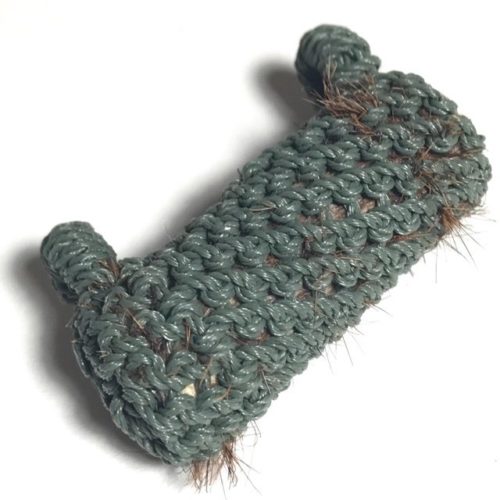
Each individual effigy was meticulously hand-bound using sacred spellbound threads (Mad Daay Akom), ritually dyed green to represent the traditional Thai Jong Graben breeches. During the binding ritual, Por Tan Kloi performed the ancient Khao Or invocation of the Dhat See (the Four Elemental Foundations: Earth, Water, Fire, and Wind) combined with the Kata Akarn 32 (the 32 physical attributes of living beings). Through continuous breath control and meditative absorption (Jhana), the master awakened the dormant metal effigy, transforming it into an alert, living spiritual sentry.
In Thai occult traditions, a properly empowered Hun Payont fulfills the role of an incorporeal spiritual bodyguard and household guardian. Unlike negative necromantic entities that require dark appeasement, Por Tan Kloi’s Hun Payont Por Gae is powered by Buddhist virtue and white-robed rishi ascetic purity, making it safe, benevolent, and deeply loyal to its owner.
The talisman provides six primary dimensions of protection and empowerment:
Kong Grapan Chadtri & Klaew Klaad: Invincibility against physical weapon strikes, bladed instruments, ballistic danger, and miraculous evasion from fatal collisions or roadway accidents.
Gae Aathan & Pongan Phii: Inviolable psychic armor against curses, malevolent black magic, voodoo, graveyard sorcery, demonic incursions, and lower astral haunting.
Premises & Vehicle Guard: Autonomous surveillance over the owner’s residence, business establishment, or vehicle, deterring burglars, thieves, and malicious trespassers.
Premonitory Warning (Nimitta): Projecting warning omens into the owner’s dreams or instincts prior to unforeseen dangers or duplicitous people.
Maha Lap & Maha Pokasap: Drawing business prosperity, windfalls, high-volume customer footfall, and unyielding financial growth.
Metta Mahaniyom: Cultivating respect, benevolent mercy, and authoritative standing in negotiations and professional circles.
Side Profile View Displaying Ancient Khao Or Hermit Ascetic DemeanourRear Perspective Displaying Consecrated Binding Knots and Metal Core
🎧 Listen as You Read
Press play to listen to the audio narration
Devotional Methods & Traditional Bucha Protocol
To welcome and consecrate the Hun Payont into the residence or altar, light 5 incense sticks and offer clean fresh water, betel nut, or sweetmeats. Recite the Maha Namasakara (Namo Tassa) three times, followed by the specific Bucha incantation for Khao Or Hun Payont:
“Om Pluk Maha Pluk, Goo Ja Pluk Phra Hun Payont Duay Gae-Saa Loh-Maa Nak-Khaa Tan-Dtaa Dta-Joh, Phut-Thang Bprasitthimae, Tham-Mang Bprasitthimae, Sang-Khang Bprasitthimae… Na Ma Pa Tha, Na Mo Phut Tha Ya.”
Instruct the effigy clearly in your mind or out loud regarding its protective assignment—whether to guard your home, vehicle, store, or personal safety while travelling.
Base Perspective and Cord Fastening CraftsmanshipThree-Quarter Perspective of Consecrated Guardian Effigy
Ajarn Spencer Littlewood for Thailand Amulets All rights reserved.
The Chueak Takrut Koo Ud Look Sakot Nuea Dtakua is an exceptionally rare, early-era occult talisman created and empowered by the Great Luang Por Koon Bparisutto of Wat Ban Rai in Nakhon Ratchasima province. Conceived as a complete personal protective compendium, this masterwork artifact combines two ancient alchemical Takrut Tone Yantra scrolls rolled from sacred copper foil (Nuea Tong Daeng) with four spellbound leaden seals (Look Sakot Nuea Dtakua), bound permanently onto an authentic green hand-woven cord belt (Chueak Kart Aew).
The Metaphysics of Look Sakot: Locking and Sealing Sacred Power
In the sacred lineages of Thai Theravada occultism, a Takrut Tone serves as a physical vessel holding the consecrated mental energies and Yantra spells inscribed by an attained master. However, without proper alchemical locking, the raw magical charge of an amulet can be diluted over decades or interfered with by conflicting external sorceries. To prevent any leakage of power, Luang Por Koon flanked and capped each copper scroll with heavy alchemical leaden beads known as Look Sakot.
The word Sakot (สะกด) literally signifies to hypnotize, restrain, seal, or command. In this compendium, the leaden Look Sakot beads perform a triple role: they perpetually amplify the internal magnetic resonance of the inscribed copper foil, form an impenetrable psychic shield that prevents rival sorcerers or lower astral spirits from siphoning the blessing, and establish a steady protective perimeter around the wearer’s physical body.
Luang Por Koon Twin Takrut Tone with Lead Look Sakot Seals – Macro View
Luang Por Koon: The Miraculous Monk of Wat Ban Rai
Luang Por Koon Bparisutto is widely revered across Southeast Asia as an attained Arahant whose superhuman stamina and purity of Dhamma practice transformed the lives of millions. Famed for his spontaneous spiritual absorptions, Luang Por Koon could attain the highest levels of Samadhi meditation in seconds, empowering amulets with intense, instantaneous blessings that made his talismans legendarily responsive.
🎧 Listen as You Read
Press play to listen to the audio narration
Despite raising hundreds of millions of Baht throughout his monastic career, Luang Por Koon never retained personal wealth. He lived in utter simplicity, squatting in down-to-earth humility and donating every single cent toward building hospitals, schools, electricity grids, and water infrastructure for rural communities in Isan. Devotees wear his amulets not only for their legendary invincibility but as a sacred beacon of selfless moral conduct and boundless generosity.
Green Chueak Kart Aew Cord Belt Weave and Lead Binding Bead Detail
Comprehensive Four-Fold Blessings and Occult Powers
The Chueak Takrut Koo compendium is engineered to furnish balanced, comprehensive protection across all facets of daily life:
Kong Grapan Chadtri & Klaew Klaad: Invincibility against sharp weapons, projectiles, and ballistic threats, accompanied by total evasive shielding to escape lethal vehicular accidents.
Maha Lap & Maha Pokasap: Continuous influx of unexpected windfalls, business fortune, commercial prosperity, and accumulation of liquid assets.
Maha Amnaj & Serm Yos: Imposing authoritative aura that commands respect and obedience from subordinates, colleagues, and officials in positions of power.
Metta Mahaniyom & Gae Aa-than: Gentle charisma that softens harsh hearts and neutralizes malicious sorcery, psychic hostility, and negative household karma.
Sacred Copper Foil Yantra Scroll Inscription and Leaden End Cap
To cultivate a direct spiritual connection with Luang Por Koon and awaken the protective cord belt, devotees should place the talisman before a clean altar or hold it reverently between prayer hands and recite the following three-stage ritual liturgy:
1. Maha Namasakara (3 Times)
Namo Dtat-Sa Pakawa-Dto Araha-Dto Sam-Maa Sam-Put-Dtat-Sa
Namo Dtat-Sa Pakawa-Dto Araha-Dto Sam-Maa Sam-Put-Dtat-Sa
Namo Dtat-Sa Pakawa-Dto Araha-Dto Sam-Maa Sam-Put-Dtat-Sa
Hand-Empowered Twin Takrut Belt Overview DisplayReverse Alignment and Corded Loop Fastener DetailFull Length Perspective of Sacred Talisman Belt Compendium
Ajarn Spencer Littlewood for Thailand Amulets All rights reserved.
The 11 Main Powers of Thai Amulets and Occult Charms
Thai Amulets, be they Buddhist, Animist or Occult, are endowed with various types of Magical Powers, which are categorized by their nature, or the effect they bring or enhance. Thai Amulets, based on their unique abilities or the benefits they bestow. These amulets can be broadly classified into three groups: Buddhist, Animist, and Occult. Buddhist amulets often contain sacred images or inscriptions of Buddhist mantras, invoking spiritual protection and blessings.
Nang Kwak Nang Supawadee is a sacred deity in Thai culture, often depicted as a woman dressed in traditional Thai attire, beckoning with her right hand to invite good fortune and prosperity. This mystical figure is deeply rooted in Thailand’s historical and spiritual landscape, often found in shops and businesses as a symbol of success and wealth. With her alluring gaze and inviting gesture, Nang Kwak Nang Supawadee embodies the welcoming and enterprising spirit of Thailand, making her a popular and significant amulet for many.
Animist amulets, on the other hand, are imbued with the spiritual power of animist deities, nature spirits, or ancestral spirits, offering wearers protection, prosperity, or good health. Occult charms, however, draw on the esoteric arts, such as astrology, alchemy, or sacred geometry, to provide users with a wide range of benefits, from enhancing personal magnetism to deflecting harmful energies. Overall, Thai amulets and occult charms are not merely decorative items, but potent spiritual tools that can significantly influence one’s life.
Kumarn Tong Kroo Ba Beng.; Kumarn Tong, also known as the “Golden Boy,” is a popular and highly revered amulet in Thai culture, believed to bring good luck, fortune, and prosperity to its possessor. These amulets are typically made in the form of a small statue, often representing a young prince or a divine child. Kumarn Tong is deeply rooted in ancient Thai folklore and animist beliefs, which attribute supernatural powers to these figurines. Devotees believe that by caring for the amulet as if it were a real child, they can harness the power of Kumarn Tong to improve their lives, attract success, and ward off evil. The rich history and enduring popularity of Kumarn Tong amulets make them a significant and intriguing aspect of Thai spiritual tradition.
This amulet power is centered on the qualities of loving-kindness, charm, and popularity. It is believed to enhance the wearer’s power to attract goodwill and compassion from others, making them more amiable and well-received in social and professional settings. This power is often sought by those who wish to build harmonious relationships and foster a positive environment around them. The concept of Metta, rooted in Buddhist teachings, emphasizes unconditional love and benevolence, and when embodied in an amulet, it serves as a reminder of the importance of these virtues in daily interactions.
Maha Sanaeh
Known for its power of attraction, Maha Sanaeh is a highly revered quality in Thai amulets. This power is believed to enhance the wearer’s allure and magnetism, making them more appealing and desirable. Often associated with love and romantic interests, Maha Sanaeh amulets are popular among individuals seeking to enhance their personal relationships or attract new ones. The use of specific rituals and materials, such as those involving the Bai Rak tree, can amplify this power, making the amulet a potent love charm
Maha Amnaj
Signifying authority, power, and influence, Maha Amnaj is a highly esteemed quality in amulets. Particularly associated with tiger amulets, this power is believed to bestow the wearer with an aura of command and respect. It is valued in contexts where leadership qualities and protection are paramount, such as in professional or competitive environments. The creation of Maha Amnaj amulets is a revered practice, often involving intricate craftsmanship and blessings by masters to ensure their potency.
Kong Grapan
This power is associated with invulnerability and protection from physical harm. Amulets with Kong Grapan are believed to shield the wearer from injuries caused by weapons or accidents. They are often used by individuals in dangerous professions or those seeking extra protection in risky situations. The concept of invulnerability is deeply rooted in Thai magical traditions, providing a sense of security and courage to the wearer.
Klaew Klaad
Known for its ability to help the wearer evade danger and misfortune, Klaew Klaad is a sought-after power in amulets. It is believed to guide individuals away from harm and protect them from unforeseen accidents or negative events. This protective quality makes it popular among travelers or those embarking on new ventures, as it provides reassurance of safety and well-being.
Choke Lap
Representing luck, fortune, and prosperity, Choke Lap is a highly desired power in amulets. It is believed to attract wealth and opportunities to the wearer, enhancing their chances of success in various endeavors. Amulets with this power are often used in business contexts, gambling, or any situation where financial gain is sought. The power of Choke Lap is deeply connected to the belief in the influence of auspicious energies and their ability to transform one’s fate.
Maha Pokasap
Maha Pokasap is primarily associated with wealth, abundance, and financial prosperity. It is believed to attract riches and good fortune to the wearer or owner of the amulet. This power shares similarities with the Choke Lap quality mentioned in the context, which represents luck, fortune, and prosperity. Amulets imbued with Maha Pokasap are often used by individuals seeking to improve their financial situation, grow their business, or attract wealth-generating opportunities. The power is thought to work by creating a positive energy field around the wearer that attracts prosperity and abundance. The creation of Maha Pokasap amulets typically involves intricate rituals and empowerment ceremonies performed by respected monks or spiritual masters. These ceremonies may include the use of sacred materials, chanting of specific mantras, and invocations to deities associated with wealth and abundanc
Serm Yos
This power relates to increased status and the ability to gain professional and social recognition. Amulets with Serm Yos are believed to aid in job promotions and the achievement of higher social standing. They are particularly valued by those seeking to advance in their careers or improve their reputation. The power of Serm Yos is a reminder of the importance of ambition and perseverance in reaching one’s goals.
Serm Duang
Focused on improving one’s lucky stars and lessening bad karma, Serm Duang strengthens the wearer’s line of fate. This power is believed to enhance the positive aspects of one’s destiny while mitigating negative influences. Amulets with Serm Duang are sought by individuals aiming to improve their overall life circumstances, providing a sense of control over fate and karma. The power of Serm Duang is deeply intertwined with the belief in destiny and the potential for personal transformation.
Gae Aathan
‘Gae Aathan’ (แก้อาถรรณพ์), means to remedy sorcery or curses, or black magic. It also means to ward or fend off all evils such as curses, poisonous potions and demonic entities, as well as magic spells aimed at the person. This power is deeply rooted in the belief of counteracting or neutralizing the effects of black magic, including curses, poisonous potions, and malevolent spiritual entities. The power of Gae Aathan, serves as a protective measure, warding off all forms of evil that may be directed towards an individual. Beyond this, ‘Gae Aathan’ can also be interpreted as a defensive strategy against magic spells and other malicious supernatural activities. This practice underscores the importance of holistic protection and the belief in the unseen world in many cultural narratives.
Maha Ud
Maha Ud can mean both ‘Ud Pern’ (silence a gun), as well as ‘Ud Sap’ (close the seal on the money/treasure container). Ud Pern refers to the ability to protect by making weaponry or attacks powerless against the wearer of the amulet, and ‘Ud Sap’ means to caqtch and keep treasured possessions and wealth, often seen in the form of one eyed coconuts, ‘hae dak sap’ bottle-necked fishing net yantra spells, and other self-enclosed objects empowered as amulets. The self enclosed nature of natural objects, such as the Sai dak Sap fish trap or the Hae Dak sap treasure Fishnet, and the Kala maha Ud one eyed coconut, are comparable to the parable of the monkey with his nand inside a nutshell, who once he grabs the food inside, cannot get his closed fist out of the trap again. This is known as the ‘monkey trap’ in Thai, and shows how the greedy thieves cannot steal or cause your possessions to disappear or diminish your wealth, with this kind of magic spell
The Wicha Suea Maha Amnaj refers to the sacred knowledge or occult practice related to tiger amulets endowed with powerful command and dominion, and defensive attributes. “Wicha” translates to magical knowledge or occult science in Thai. “Suea” means tiger, and “Maha Amnaj” signifies great dominion or commanding power. Thus, Wicha Suea Maha Amnaj can be understood as the mystical practice of producing tiger amulets that confer great dominion and commanding presence upon the wearer. . The tiger, or “Suea” in Thai, is a symbol of strength, courage, and ferocity. Tiger amulets are believed to channel the animal’s inherent power, providing the wearer with protection, authoritative presence, and the ability to overcome obstacles. These amulets are often created and blessed by revered monks and lay masters, who perform intricate rituals to imbue them with spiritual power.
Takrut Hnang Suea Kroeng Tiger Fur Amulet by the Great Luang Phu Nong Tammachodto (Wat Wang Sri Tong, Surin)
These amulets are believed to imbue the bearer with qualities akin to a tiger—strength, fearlessness, influence, and invincibility. The amulets are often used for safeguarding, invulnerability (Klaew Klaad), and to instill respect and command (Maha Amnaj).
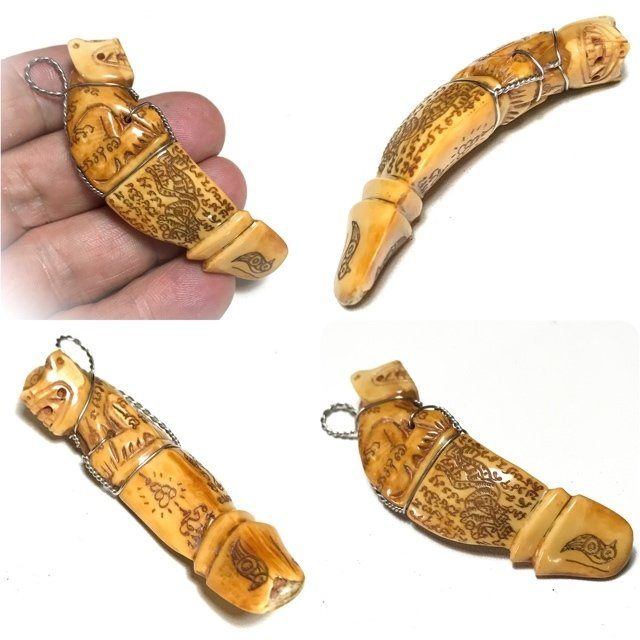
Hand carved and inscribed tiger amulet in the form of a Palad Khik Lingam, created by Luang Por Sawai of Wat Bridaram. Known for his distinctive hand inscriptions, Luang Por Sawai’s talismanic charms are highly sought after. This particular amulet features a wild boar’s tooth, a carved tiger on the hilt, and Sariga Yantra spell inscriptions.
The “Top Thai Tiger Amulets and Their Masters” include:
Luang Por Parn (Wat Bang Hia / Wat Bang Bor) is highly revered for his powerful protective and commanding tiger amulets, often featuring intricate designs. His predecessor, Luang Por Ruean, also made significant contributions to this tradition.
Luang Phu Nak of Wat Arun, also known as the Temple of the Dawn, was an extremely revered monk, and his status for Tiger amulets is said to be among the top five of all Masters of all Time, particularly noted for his Tiger forehead skin amulets.
Luang Por Nok (Wat Sangkasi), as the first direct apprentice of Luang Por Parn, continued the legacy of creating potent tiger amulets known for their protective and dominant qualities. His amulets are highly regarded and are considered essential for serious amulet collectors.
Luang Por Say (Wat Bang Bor), a significant figure in Luang Por Parn’s lineage, created amulets from bear and tiger teeth and fangs, cvsrved bone and ivory like his Kroo Ba Ajarn before him (Kroo Ba Ajarn Means ‘Root Guru Mentor Teacher’), and empowered with the same powerful protective and commanding presence. His apprenticeship under both Luang Por Nok and Luang Por Parn ensured the continuation and enhancement of this potent Wicha.
The Famous and rare 4th edition suea tiger amulet Luang Por Wongs
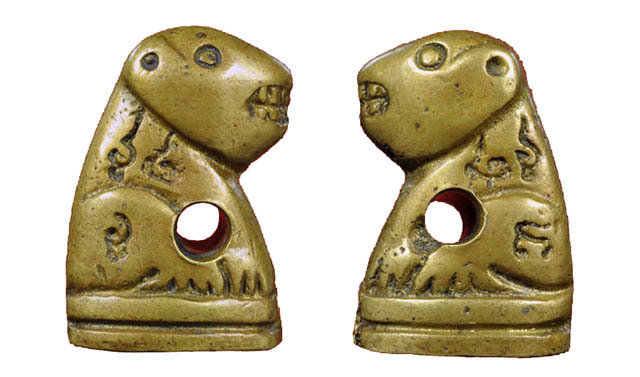
Luang Por Wongs (Wat Bariwas) is famed for his Loi Ongk statuettes of seated tigers, known for their unique designs and potent protective qualities. These amulets are considered some of the most beautiful and effective tiger amulets ever created.
Luang Phu Sukh (Wat Pak Klong Makham Tao) is known for his Hnaa Phaag Suea (tiger forehead) and Hnang Suea (tiger skin) amulets, highly esteemed for their spiritual and protective powers, believed to offer invincibility and commanding presence.
Luang Por Phern Tidtakuno (Wat Bang Pra) is synonymous with the Wicha Suea Maha Amnaj. His tiger amulets, including the ‘Ride the Tiger’ and Suea Koo, are legendary for their power to bestow invincibility and influence. Luang Por Phern’s amulets are among the most sought-after in the realm of Thai amulets.
Takrut Hnang Suea Luang Por Phern Wat Bang Pra
Luang Por Phern of Wat Bang Pra; Luang Por Phern Tidtakuno of Wat Bang Pra is a revered figure in Thai Buddhism, known for his unparalleled mastery of the Wicha Suea, which includes the powerful Sak Yant and tiger amulets. His expertise in these mystical arts has earned him a legendary status among devotees and collectors alike. Luang Por Phern’s image is often depicted as seated riding upon the back of a tiger, symbolizing his command over the fierce and protective energies associated with the tiger spirit. This imagery underscores his mastery of the Wicha Suea, a sacred knowledge that harnesses the tiger’s formidable power for protection and authority
Luang Por Tong Sukh (Wat Tanode Luang) is renowned for his Takrut Hang Hnaa Phaag Suea (tiger forehead) amulets, known for their potent protective and commanding qualities. These amulets are highly valued by collectors and practitioners alike.
Luang Por Te Kong Ton (Wat Sam Ngam) is known for his Takrut Hnaa Phaag and Hnang Suea amulets, celebrated for their powerful spiritual properties and highly sought after for safety and dominance.
Tiger forehead skin amulets, or Hnaa Phaag Suea, are renowned for their potent protective and commanding qualities. These amulets are crafted using the skin from the forehead of a tiger, which is believed to imbue the wearer with the tiger’s strength, dominance, and invincibility. The tradition of creating these amulets is deeply rooted in Thai occult practices and has been carried forward by several esteemed masters.
The Meaning of Maha Amnaj Magic
The Wicha Suea is a highly effective technique, frequently utilized for enhancing personal strength, ensuring safety, and drawing wealth and prosperity. Given its origins in the mysterious and powerful dark arts, those who engage in this practice must do so wisely and respectfully.
The word “Maha Amnaj”in Thai, roughly translates to “grand authority” or “commanding power,” and is significant in the context of tiger amulets. These amulets are believed to confer upon the wearer an aura of influence, respect, and fearlessness, which is highly valued in Thai culture, particularly in leadership and protective contexts.
Below; “Nam Man Suea Saming Prai of Kroo Ba Sri”
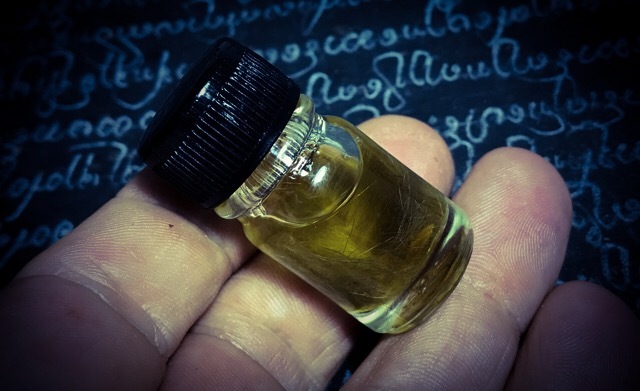
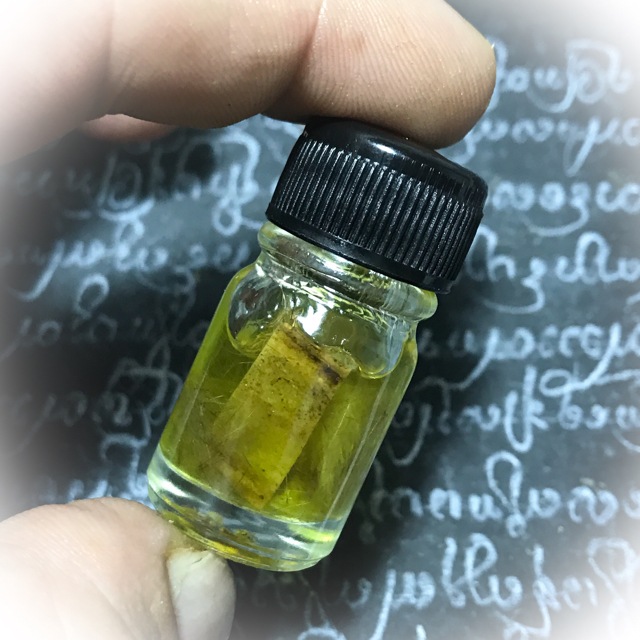
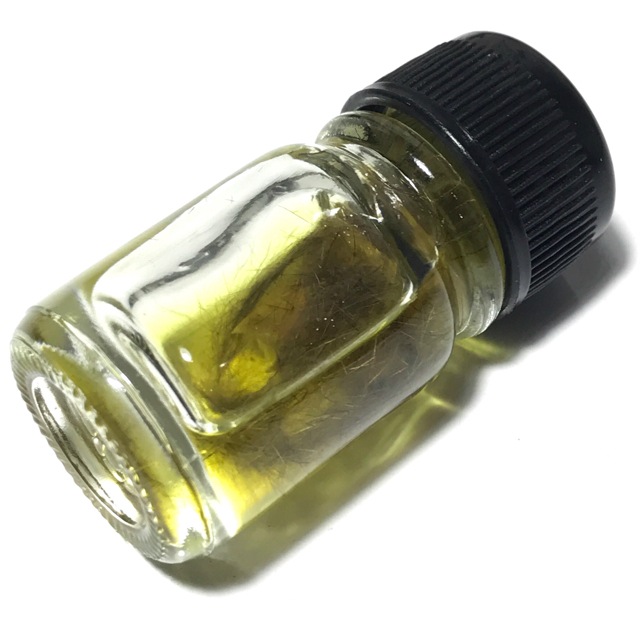
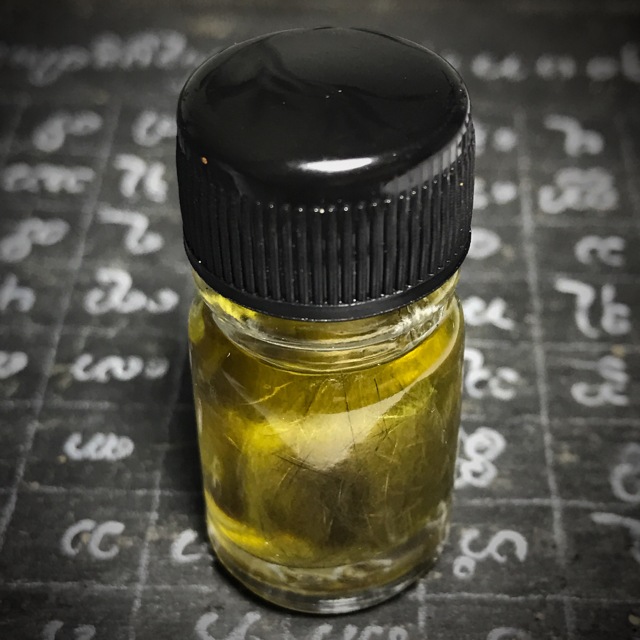
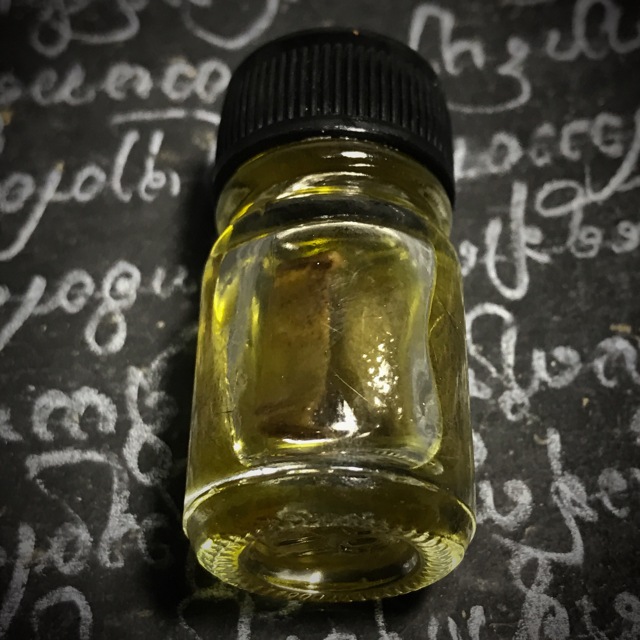
This potion is a creation of the respected and revered figure in the spiritual world, Kroo Ba Sri. Nam Man Suea Saming Prai Oil is a type of spiritual oil, often used in rituals and prayers for various purposes, including seeking protection, enhancing personal power, and attracting good luck. The word “Saming” refers to the wild jungle ghosts or spirits, and “Prai” refers to the animistic spirits of the earth, air, fire, and water. This potion is believed to contain the essence of these spirits, harnessing their power to benefit the user. Kroo Ba Sri is a well-known and trusted spiritual practitioner, adding to the credibility and desirability of this potion.
Nam Man Suea Saming Prai Oil Potion by Kroo Ba Sri.
Nam Man Prai Suea Saming has been used by Warriors, Sorcerors, Gangsters and Policement and Business Millionaires for centuries, as a method of remaining on top, and in control, and defence against Black Magick of all kinds. If a person is afflicted with a spirit, possessed or cursed, or ill from Black Magick, then Luang Phu Kroo Ba Sri says that to smear some of the oil will banish the Afflictive Magick
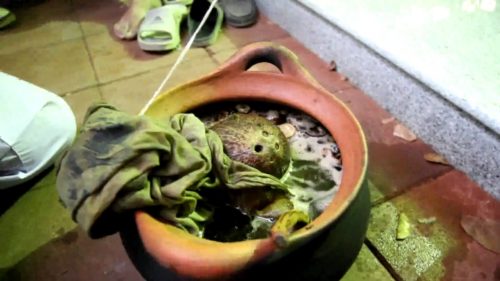
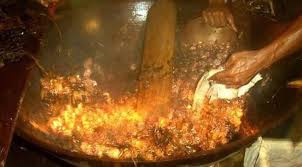
Nam Man Prai Boiling Ceremony
Nam Man Suea Prai Oil Being Made in Cauldron using Herbal Method, for the later immersion of Guru Monk Coins in a later empowerment ceremony
Wicha Suea Maha Amnaj is a deeply respected and significant field within the realm of Thai occult practices. This discipline is primarily concerned with the creation of intricate tiger amulets, which are believed to provide substantial dominion and protection to their bearers. These amulets are not merely viewed as spiritual artifacts, but also as symbols of historical significance, showcasing the rich cultural heritage of Thailand.
The top ten tiger amulets, as documented popularly by some of the most prominent authors and experts in the field, about the Tiger amulets of the great Sorcerer-Monks, Lersi Sages and Lay Masters of Thai history, are highly prized. These 10 or a dozen or so masters, include Luang Por Parn, Lusang Phu Sukh, Luang Por Sawai (Wat Bridaram), The Great Luang Por Phern of Wat Bang Pra, Luang Por Nok, and Luang Por Say, have made significant contributions to the tradition of Thai amulet-making. Their works are not only admired for their spiritual and protective qualities but also for their intricate artistry, which reflects the high level of skill and dedication involved in the creation process.
Takrut Hnaa Bpaag Suea – Tiger Forehead Skin amulet spellbound hide scroll from Luang Phu Nak of Wat Arun (Temple of the Dawn). Believed powerful Maha Amnaj (Commanding Power), Kong Grapan Chadtri (Invincibility), Klaew Klaad (Evade Dangers), Maha Ud (Gunstopper), and Gae Athan (Anti Black Magick)
The Wicha Suea Maha Amnaj, as preserved and advanced by these revered masters, continues to endure, providing a spiritual link to the past for future generations. Each amulet is a testament to the deep-rooted belief in the power of these symbols and the respect accorded to the masters who created them.
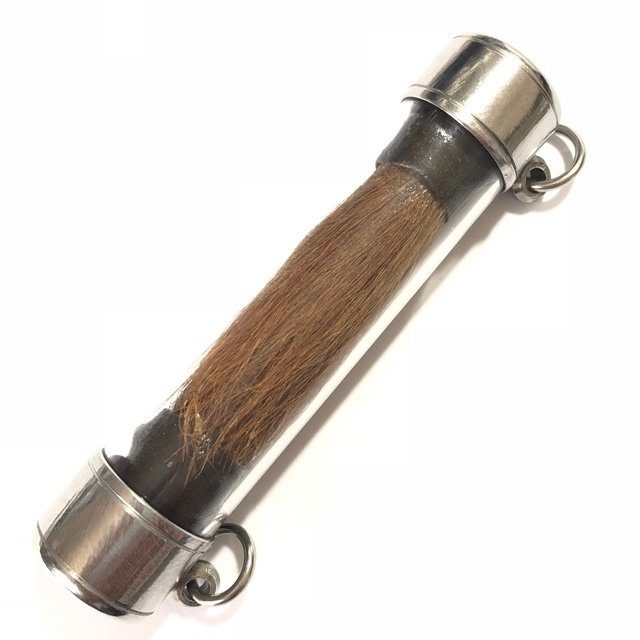
Presenting a rare limited edition amulet that is now an extreme rarity, from back in the year 2553 BE, from an extremely powerful Master; the Takrut Hnang Suea Kroeng Tiger Takrut Amulet of LP Derm Lineage Master and Adept of the Surin Khmer Occult Arts, Luang Phu Nong Tammachodto, for Protection and Power – useful for those in positions of command, in need of more personal power and influence, promotion seeking, as well as for those who have dangerous professions, such as Police, Army, Bodyguards and Civil Servants. Anti Black Magick and Poksap Prosperity is also a Magickal Property of the Tiger Wicha.
Takrut Hnang Suea Kroeng Luang Phu Nong
Blessed in the Sao Ha Fifth Lunar Saturday Edition of the year 2553 BE, by Luang Phu Nong of Wat Wang Sri Tong in Sra Gaew, who is the nephew and direct Wicha inheritor of the Great Luang Por Derm of Wat Nong Po, and who is so highly renowned for his powers of Fire Kasina Magic. The Takrut has been sealed with Krang Paste on each end which is a magical admixture full of Maha Pokasap power, as well as possessing anti black magick powers to seal the spell and defend it against any other magick.
Luang Phu Nong Tammachodto of Wat Wang Sri Tong
Luang Phu Nong is one of Thailand’s Oldest Gaeji Ajarn who is extremely popular for his magical amulets. Luang Phu Nong Tammachodto is the true nephew of luang Por Derm (Wat Nong Po) and recieved direct Wicha magical training from his Uncle. Luang Por Nongs amulets are both powerfully made according to the Wicha of Luang Por Derm
Tiger Takrut for Power Invincibility Promotion Protection and Status LP Nong
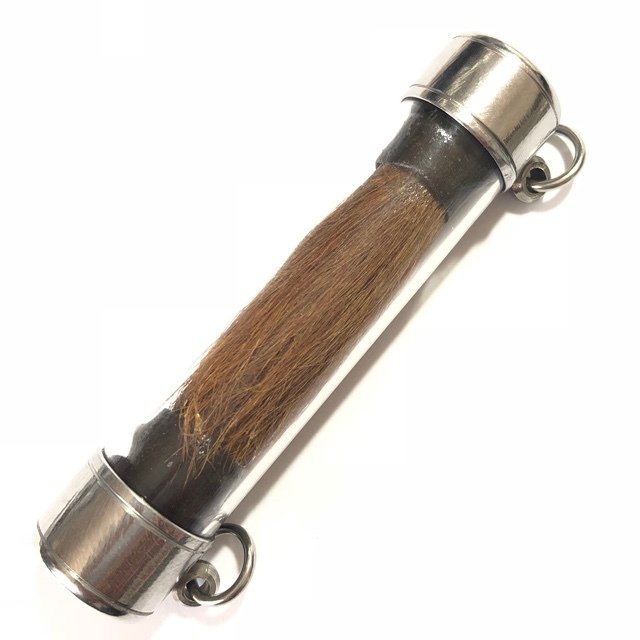
Tiger Takrut are becoming extremely rare to obtain these days, for obvious reasons. All tiger used in Thai Temples for amulets are from of Tigers that died a natural death and had the skins donated, and are legal. This amulet comes with steel capped transparent tubular casing included.
Wicha Suea amulets possess immense Anti Black Magick, and Maha Amnaj Commanding Power, to Increase Status and Gain Promotion in the Profession. This of course also indirectly increases one’s wealth through raise in income which comes with rise in Status. Suea amulets are powerful talismans to protect the wearer from all worldly and unworldly dangers. Those who are in positions of command or office, or who need to increase their status and influence over others, will be well served with this item.
Tiger Takrut 2553 BE Luang Phu Nong Tammachodto
Highly Recommended for those who are in positions of command or administration, and those who need to exude power and influence, and for those who risk their lives in conflicts. Those who need to get noticed more, or need to get more respect from others are highly recommended for this kind of amulet.
Those who wear Tiger Sak Yant Tattoos are especially recommended to use this kind of amulet, as well as Martial Artists and Muay Thai Warriors, and those in Positions of Command, and to use Kata Suea and Kata for Sak Yant to empower their own Command, and Achieve Victory in all Endeavours.
Kata Hua Jai Suea Maha Amnaj – Incantation for the Tiger of Commanding Dominion and Power.
Presenting a centuries old Anti Black Magick Prai Oil of Legendary proportion, Nam Man Saming Prai Oil with Tiger Fur, from Lanna Sorceror Monk Kroo Ba Sri. The Nam Man Saming Prai Were Tiger Oil Potion is a very ancient Animist Sorcery Wicha which has been used to subdue evil curses, demons and black magic, and to instill obedience, and invoke commanding power in the devotee who possesses this Wicha.
Nam Man Prai Suea Saming has been used by Warriors, Sorcerors, Gangsters and Policement and Business Millionaires for centuries, as a method of remaining on top, and in control, and defence against Black Magick of all kinds. If a person is afflicted with a spirit, possessed or cursed, or ill from Black Magick, then Luang Phu Kroo Ba Sri says that to smear some of the oil will banish the Afflictive Magick
Two natural effects which spring from such invincible commanding power, is status and promotion, wealth and prosperity and public status. Kroo Ba Sri has created this potion to help his devotees in these times of economic crisis, to help increase professional success, bring advancements and status, protect from all Evil, improve business sales, and even invoke mercy charm to attract the favour of customers, obtain obedient helpful friends and admirers, to bring prosperity and advancement in life.
Highly Recommended for those who are in positions of command or administration, and those who need to exude power and influence, and for those who risk their lives in conflicts. Those who need to get noticed more, or need to get more respect from others are highly recommended for this kind of Wicha. In addition, hose who wear Tiger Sak Yant Tattoos are especially recommended to use this kind of oil, as well as Martial Artists and Muay Thai Warriors, and those in Positions of Command, and to use Kata Suea and Kata for Sak Yant to empower their own Command, and Achieve Victory in all Endeavours.
Blessed and empowered by Kroo Ba Sri at Wat Ban Pha in Traimas 3 month (Trimester) of nightly meditative empowerments, with final Deva Abhiseka Blessing Ceremony at the end of the rainy retreat. Place in your place of Office, wear in your pocket, or smear on yourself for Maha Amnaj Gae Aathan Commanding Power and Anti Black Magick, effect. Use to protect the wearer from all worldly and unworldly dangers. Those who are in positions of command or office, or who need to increase their status and influence over others, will be well served.
The oil is also usable for increasing good business or Bucha in the home, or smear on your person or wares, for Business Sales Increase, Convincing and Charming Speech in Commerce and Romance, and Lucky Fortunes abounding (Gambling Wins).
Kroo Ba Sri is a Master of Thai Lanna Sorcery, and abbot of Wat Ban Pha in Lampang. His Wicha Kala Ta Diaw One Eyed Coconut shell amulets is legendary with the Lanna Folk, as is his mastery of making Nam Man Prai Necromantic Oils. His many forms of Wicha include the Wicha Kumarn Taep Lanna, Wicha Look Krok Maew, Takrut, and many kinds of Lanna Animist Charms. His dominion of Wicha Maha Amnaj Kong Grapan Chadtri Maha Ud Klaew Klaad is demonstrated by his Nam Man Prai Paya Suea Kroeng Tiger Oil, which is extremely favoured by men of dangerous living and promiscuity, those in positions of office or command over others, military and police forces (and gangsters).
His Wicha Nam Man Prai has become immensely popular with gangsters, army generals and commanders, those in office or high administrative positions, gamblers, those whose profession leads them into physical danger, market traders, and shop owners, as well as those who use their seductive wiles to attain their goals. The Nam Man Prai Suea Saming uses a Centuries Old Formula of Animist Necromantic Sorcery, to Invoke the Spirit of the Were Tiger within the Oil.
The fur was poured in with the Nam Man Prai oil, and boiled in a cauldron with incantations, and some sacred herbal woods added. The full formula of Invocations for the Kata Akarn Sam Sip Sorng were performed for reanimation of the spirit within the Nam Man Prai. This is an essential part of Necromantic Empowerment with all Humanoid and Animal form amulets which are imbued with a resident spirit. The Invocation Summoning, Awakening and Turning of the Four Elements was performed to Reanimate Living Magic within the Sacred Oil Potion, according to the Ancient Grimoires and Magical Formulas of the Wicha.
To Perform Bucha give offerings of rice, water, or a saucer of milk, and some roasted or fried fish, and light 5 sticks of Incense
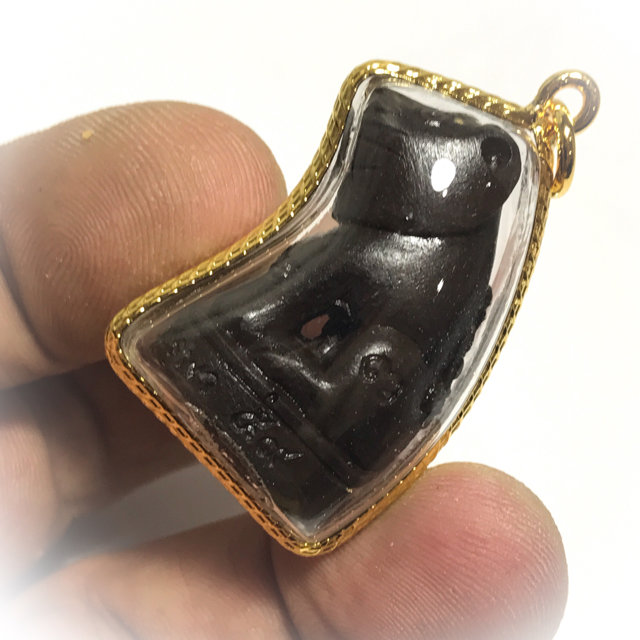
Presenting a Very Special Edition amulet, the Sacred Tiger of the Lineage Wicha of the Great Luang Por Parn (Wat Bang Hia/Bang Bor), blessed on an auspicious Sao Ha Lunar Saturday on the 1st Aprll 2560 BE in Buddha Abhiseka by Luang Por Chan Inmudto, the abbot of Wat Bang Bor (Wat Bang Hia), with additional blessings by other great monks, in a total of three blessing Ceremonies.
The Suea Payak is made from Nuea Rae Lek Nam Pi Sacred Kayasiddhi elemental substance, using the ancient methods of empowerment, using the secrets of the Wicha Luang Por Parn.
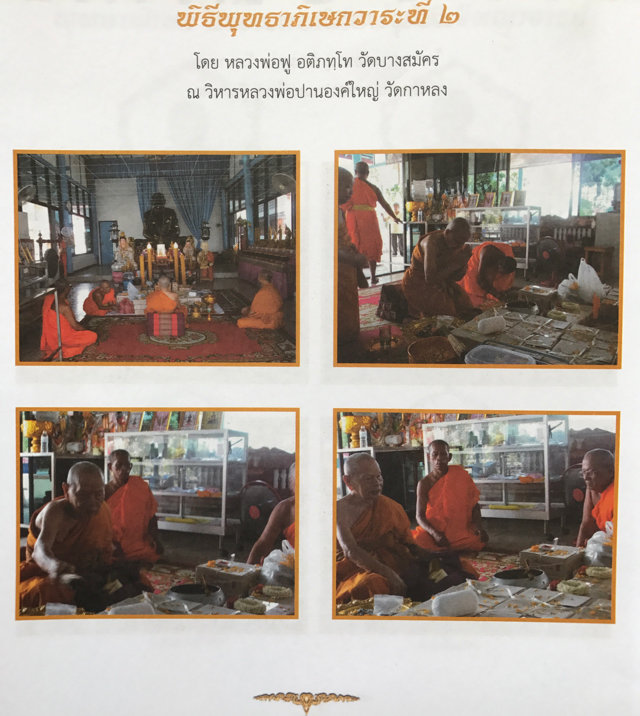
The first Ceremony was held at Wat Ka Long with Luang Por Chan (Wat Bang Bor), and the other monks present to assist, and was performed within the Wiharn (Vihara shrine) of the large statue of Luang Por Parn. The second ceremony was held again at Wat Ka Long, also in the shrine of Luang Por Parn (Wat Bang Bor) which is situated at the temple. It was here during the second ceremony at Wat Ka Long, that a special empowerment was performed by Luang Por Foo, of Wat Bang Samak.
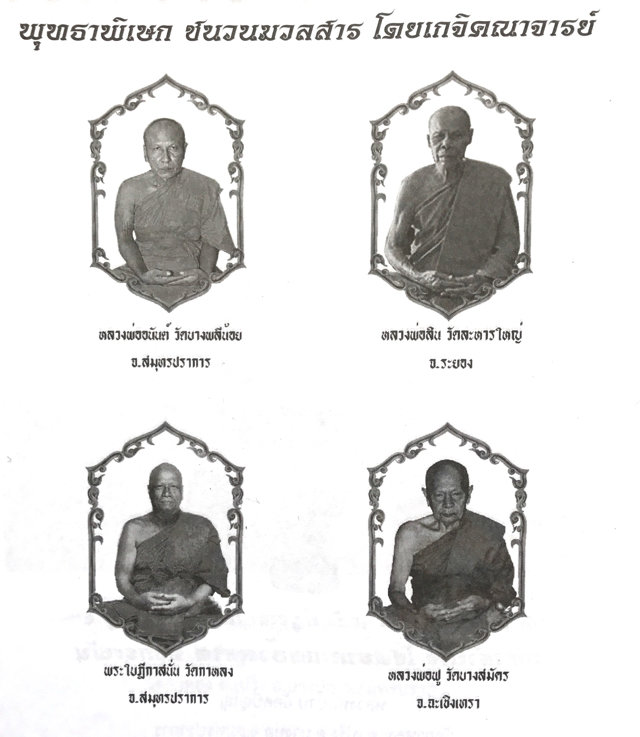
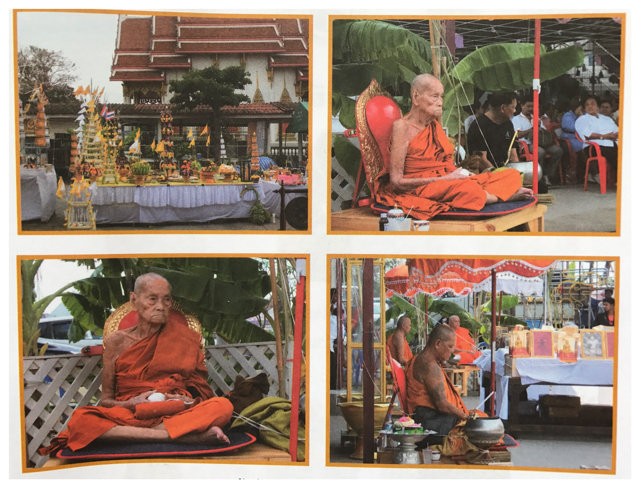
Apart from blessings by Luang Por Chan (Wat Bang Bor), and Luang Por Foo, the amulets were also empowered by Luang Por Sanan, of Wat Ka Long, Luang Por Anan, of Wat Bang Plee Noi, and Luang Phu Sin, of Wat Laharn Yai. The third Buddha Abhiseka was held once again in front of the Shrine Building at Wat Ka Long on the 1st April 2017 (2560 BE), with Luang Por Chan, abbot of Wat Bang Bor, and holder of the Wicha Luang Por Parn, presiding over the Ceremony.
It is not possible to speak of Tiger amulets without thinking of and mentioning the great Luang Por Parn of Wat Bang Hia (now ‘Wat Bang Bor’), whose famous tiger tooth and cartved tiger amulets, and Loi Ongk Statuettes are considered to belong to the top 5 Masters for tiger amulets in all Thai Buddhist Amulet making history. This Wicha Suea of Luang Por Parn was continued by his Wicha Inherotors and Looksit, and by the abbots of the Wat Bang Bor lineage, and derives from even long before that, through a long line of abbots. The Wicha now resides with Luang Por Chan, the abbot in the present time at Wat Bang Bor.
The amulet is encased in sealed transparent acrylic bubble with a micron gold plated frame and pendant hoop attached, ready for wearing, and comes with original box from the Temple.
Luang Por Parn was one of the Great Master Guru Monks of his Era (2368 – 2543 BE), and the originator of the Wicha for Tiger Amulet empowerment of this Lineage, using the Wicha of Wat Bang Hia. Wat Bang Hia had its name changed sometime in the modern era, to ‘Wat Bang Bor’ because of the impolite double meaning of the word ‘Hia’ which apart from meaning ‘monitor lizard’ (of which many lived near the temple in olden days), the word ‘Hia’ also means ‘Villain’.
Wat Bang Hia is of course a World famous Historical Temple of Monumental Status in the Amulet Scene for the fact that this was the temple of Luang Por Parn, Master Wicha holder of making famous Tiger Tooth and Carved Tiger amulets, whose amulets are now of the ‘Maha Sethee’ Millionaire master Class. It was the Great Luang Por Parn who was the Mentor and Teacher in Wicha to Luang Por Nok of Wat Sangkasi, who is a Classic Olden Days Master of Legendary Status in his own right, and whose Tiger Teeth Talismans also carry immense Serm Baramee and Maha Amnaj Power.
Kata Hua Jai Suea Maha Amnaj – Incantation for the Tiger of Commanding Dominion and Power.
Gur Ru Su Gu
Wicha Suea amulets possess immense Anti Black Magick, and Maha Amnaj Commanding Power, to Increase Status and Gain Promotion in the Profession. This of course also indirectly increases one’s wealth through raise in income which comes with rise in Status. Suea amulets are powerful talismans to protect the wearer from all worldly and unworldly dangers.
Buddha Abhiseka Ceremony and Blessings
Above; Luang Por Chan during the first Ceremony at Wat Bang Bor
Below; Second Buddha Abhiseka with Luang Por Sanan and Luang Por Foo at Wat Ka Long
Above four Guru Masters involved in the blessing and empowerment of the Muan Sarn, in clockwise from top left; Luang Por Anan (Wat Bang Plee Noi), Luang Phu Sin (Wat Laharn Yai), Luang Por Foo (Wat Bang Samak), and Pra Bai Diga Sanan (Wat Ka Long)
Above: the final Buddha Abhiseka ceremony presided over by Luang Por Chan (Wat Bang Bor), in front of the Shrine of Luang Por Parn at the Temple of Wat Ka Long
Those who are in positions of command or office, or who need to increase their status and influence over others, will be well served with this item. Highly Recommended for those who are in positions of command or administration, and those who need to exude power and influence, and for those who risk their lives in conflicts.
Those who need to get noticed more, or need to get more respect from others are highly recommended for this kind of amulet. Those who wear Tiger Sak Yant Tattoos are especially recommended to use this kind of amulet, as well as Martial Artists and Muay Thai Warriors, and those in Positions of Command, and to use Kata Suea and Kata for Sak Yant to empower their own Command, and Achieve Victory in all Endeavours.
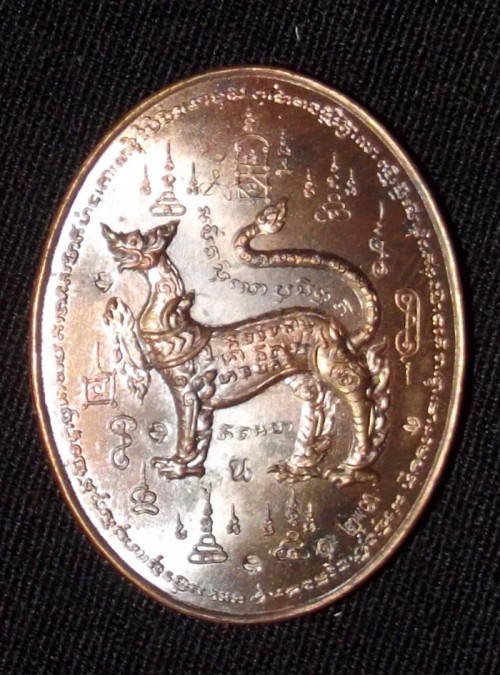
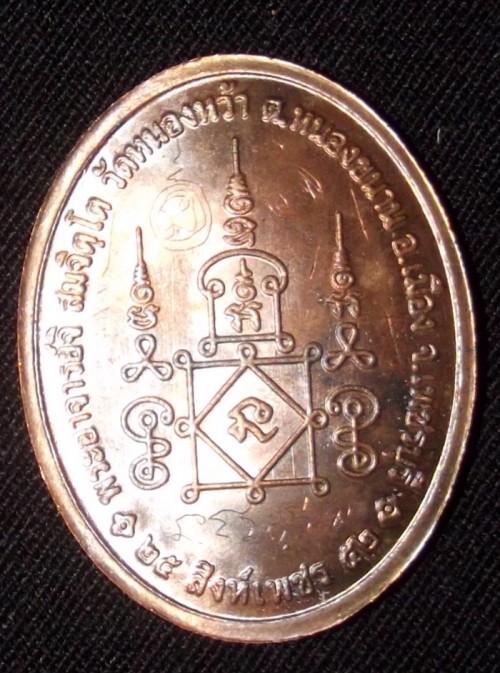
Rian Singh Paetch – Nuea Nava Loha Pim Pised (Nine Sacred Metals – special edition) 2552 BE – Pra Ajarn Ji Somjidto – Wat Nong Wa (Petchburi) – only 349 coins made
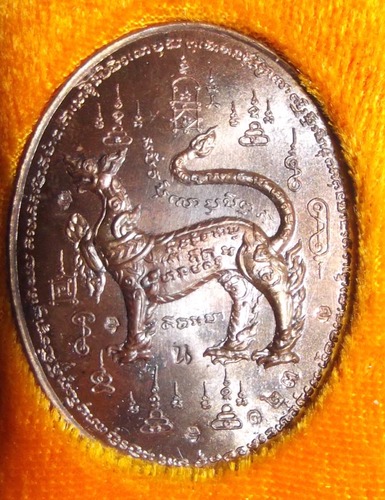
This beautiful amulet from Pra Ajarn Ji Somjidto was empowered by LP Ji in meditation every evening in his Kuti, giving them nightly empowerments every single day from its creation to the day of the final Puttapisek blessing ceremony. The front face features Rachasri Lion, a Himapant animal who appears often in the Ramakian Myths. Ratchasri or, in this case, in the form of Singh Paetch (diamond Lion), is empowered by Pra Ajarn Ji with Maha Amnaj (Power and Dominion),for strength, commanding force, and success. The fierce Lion is thick skinned and hard to cut or pierce endowing the wearer with Kong Grapan (Invincibility). This is the ‘Pim Pised’ version (Masterpiece Coin), which was made in Nine Sacred Artifact Alloys with a more Reddish Varying Surface Color instead of the Yellowish ‘Nuea Samrit’, of the standard range model. There was also a ‘Nam Rerk’ first smelting version made in solid silver, with rough uncut edges, which was made in very small quantities with hand spell inscription on rear face.
Size; 3.9 Cm x 2.9 Cm
Useful for those in administrative or commanding positions, or those who have to be involved in ‘Jeraja’ (influential discussions), such as in corporate, military or political strategic environments. Also an apt choice for Gamblers or thise involved with competitive professions, or amateur activities such as sports, for the Rachasri King Lion will endow the wearer not only with fearful imposing presence, but also with the strength to win fights or competitions.
Can be encased if Desired
The rear face is emblazoned with a Na Metta for attraction and charm, protection and luck. Two ‘Na Pra Putta Jao’ Yantra are additionally emblazoned, for both Protection and Metta. Hand inscriptions of Khom Spells made by the hand of Ajarn Ji are visible on the surface of the metal. This was performed only on the coins made from Nava Loha
The amulet is made from ‘Nuea Nava Loha’ (a Sacred Metal Alloy, made from smelting Sacred Bronze artifacts and Yantra Foils of different metallic compositions, with an addition of silver and gold to increase the sheen of the metals).
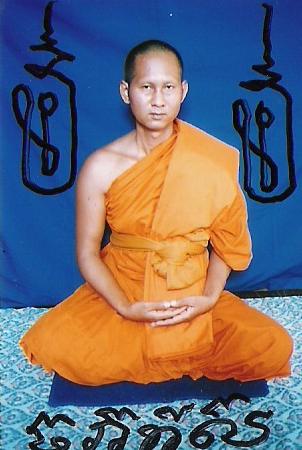
Amulets by Pra Ajarn Ji are becoming extremely sought after and are mostly sold out each edition because the Looksit of Luang Phor Yit know his Lineage and that he is of those lesser heard of Monks who will later be found out to be both a Great practitioner and amulet maker. His amulets are always made in small quantities and usually given an individual empowerment by Pra Ajarn Ji.
Pra Ajarn Ji is the inheritor of the Wicha of Luang Por Yit (sometimes spelled ‘Yid’), of Wat Nong Jork. He is especially skilled and famous for his ability to empower Palad Khik amulets. The famous Luang Por Yit once said that Pra Ajarn Ji was able to empower amulets, and cast spells exactly how LP Yid himself did, and that his amulets were just as good as his own.
This is the Pim Pised top of the range coin of the series
Kata Hua Jai Rachasri/Singha
Dta Ma Thang Bpagaa Saendto Rachasri Ho Sadtaa Aaha