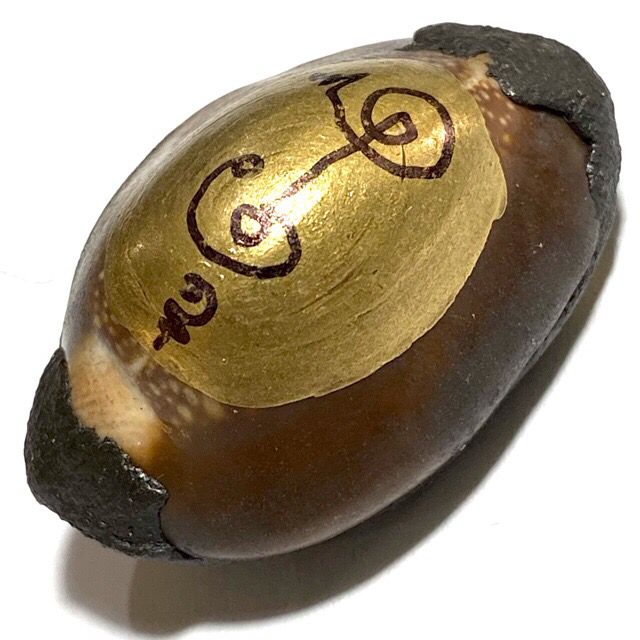
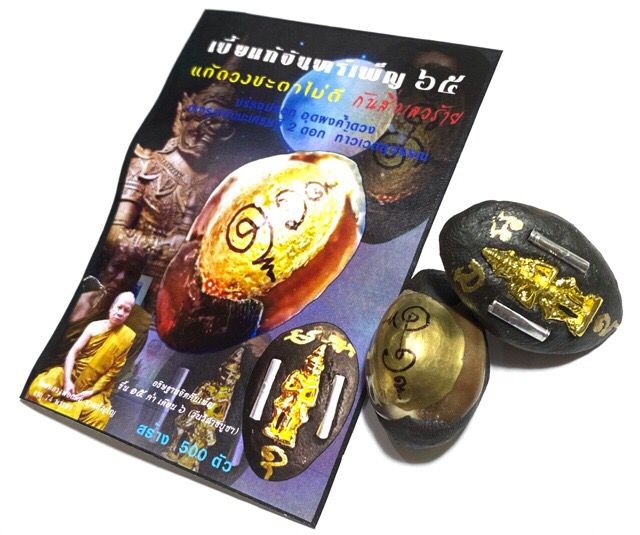
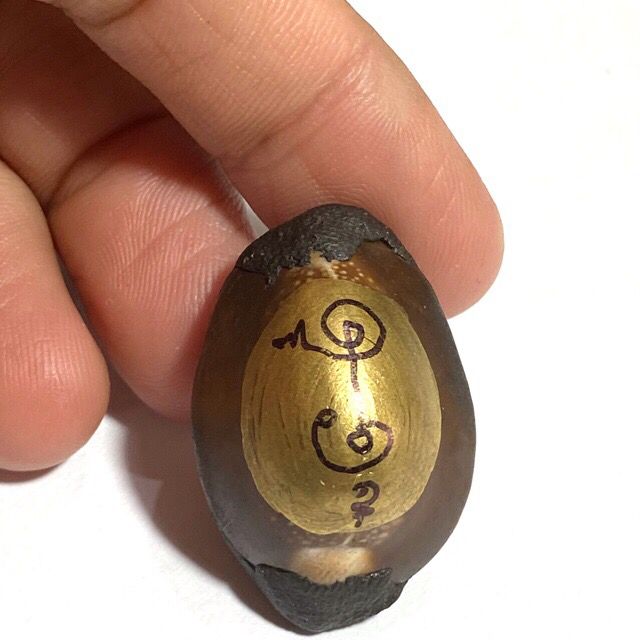
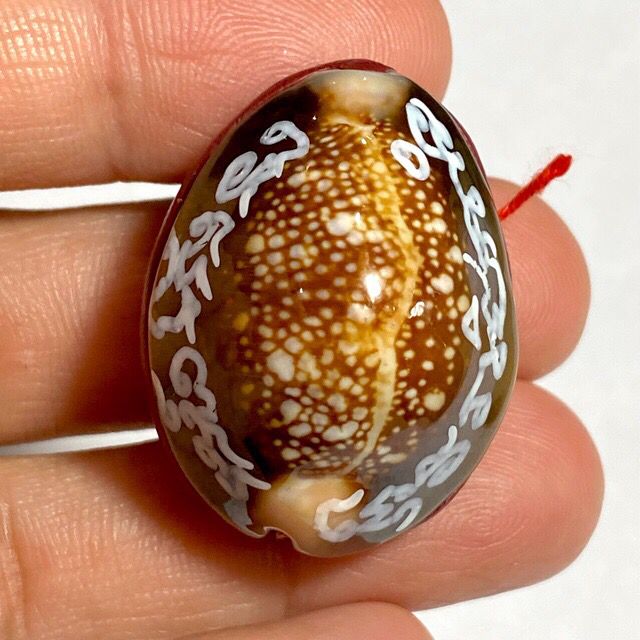
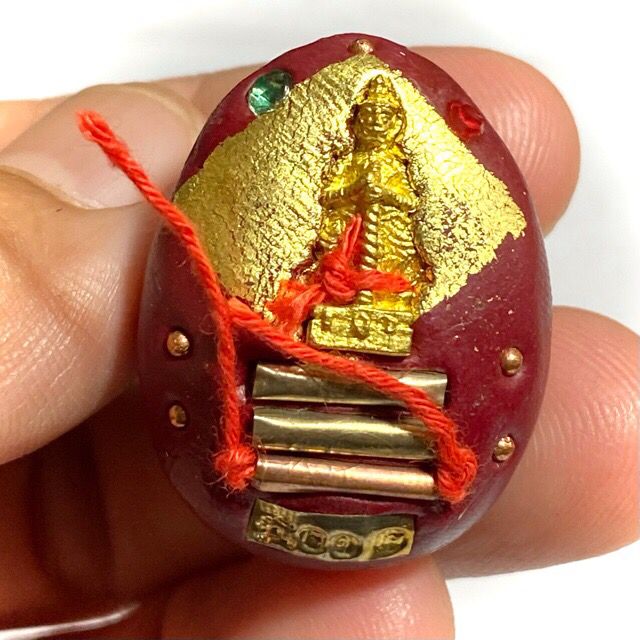
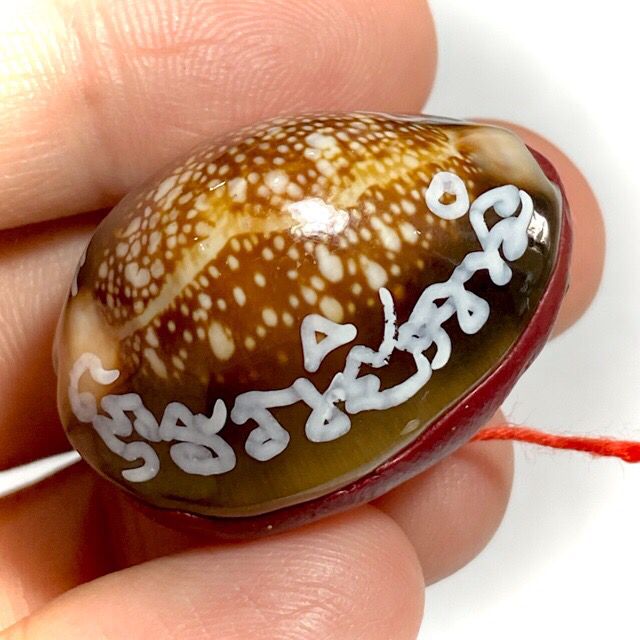
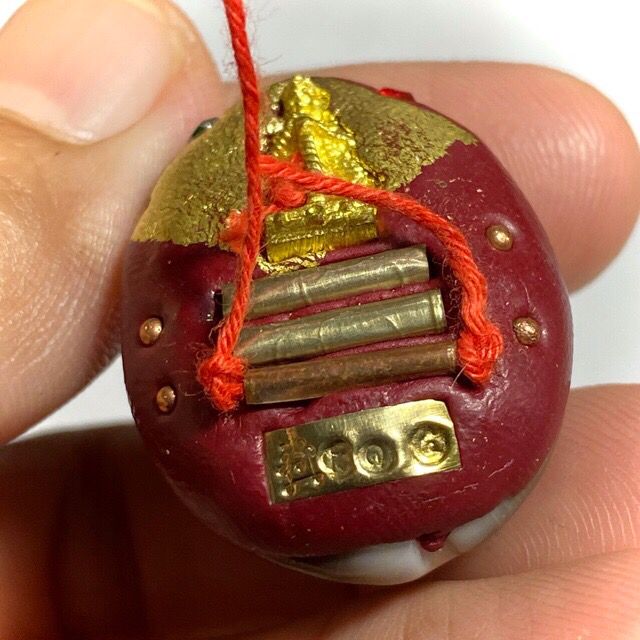
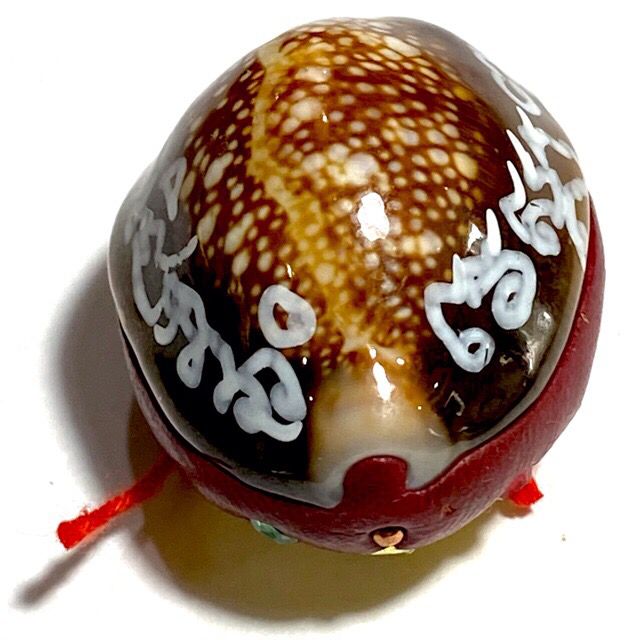
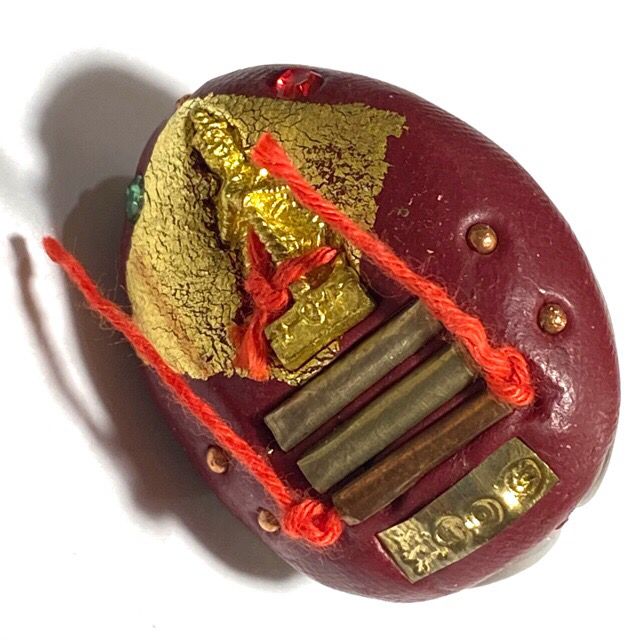
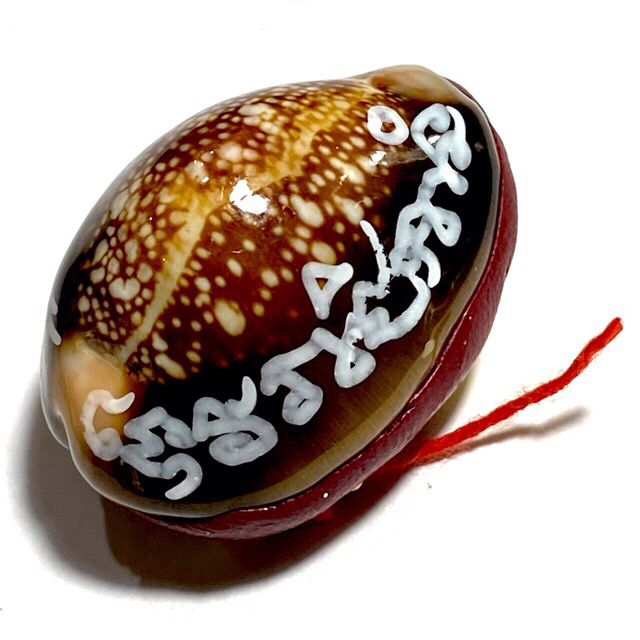
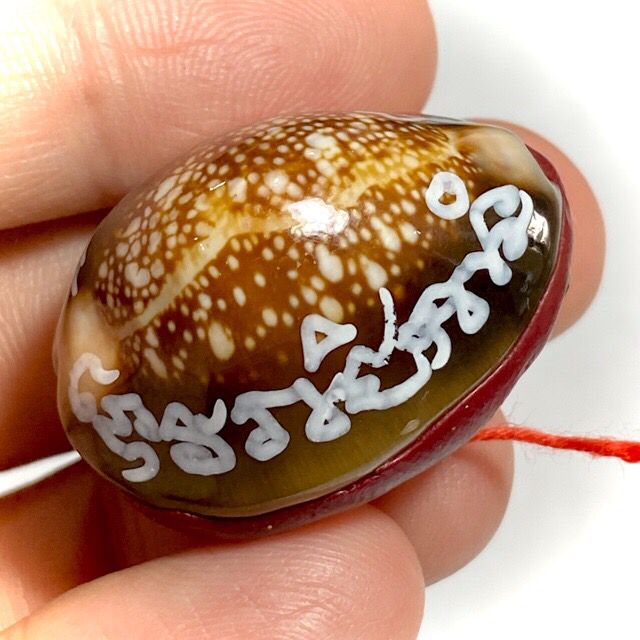
Bia Gae Jantr Pen by Luang Por Glom, Wat Nong Bua, 2555 BE (2012 C.E.) ‘Gae Duang Chataa Hai dee Gan Sing Chua Raay’ (Improve kKarma for good luck and protect against evil edition) – 2 silver Takrut version: The Bia Gae Jantr Pen is a special edition created in B.E. 2555 (2012) by Phra Kroo Pathumsarapiwat (Luang Por Glom Chuanpanyo), the abbot of Wat Nong Bua, Aranyaprathet District, Sa Kaeo Province.
Luang Por Glom is renowned as the “Master of Metta Power” due to his exceptional compassion towards disciples and devotees. He is also highly skilled in the creation of various sacred talismans, making the Jantr Pen edition of Bia Gae particularly popular among collectors.
Sacred Powers of Bia Gae Jantr Pen
According to the creators, the highlight of this Jantr Pen edition is its ability to “reverse bad fortune and ward off evil.” This means it helps transform misfortune into good luck and protects against inauspicious energies. Inside the shell, consecrated mercury and sacred powder for destiny enhancement are sealed, an ancient technique that boosts protective and evasive powers. Additionally, two silver “Na Setthi” Takrut are inserted to enhance wealth and prosperity for the wearer and a Loi Ongk Statuette of Tw Waes Suwann.
Taw Waes Suwan
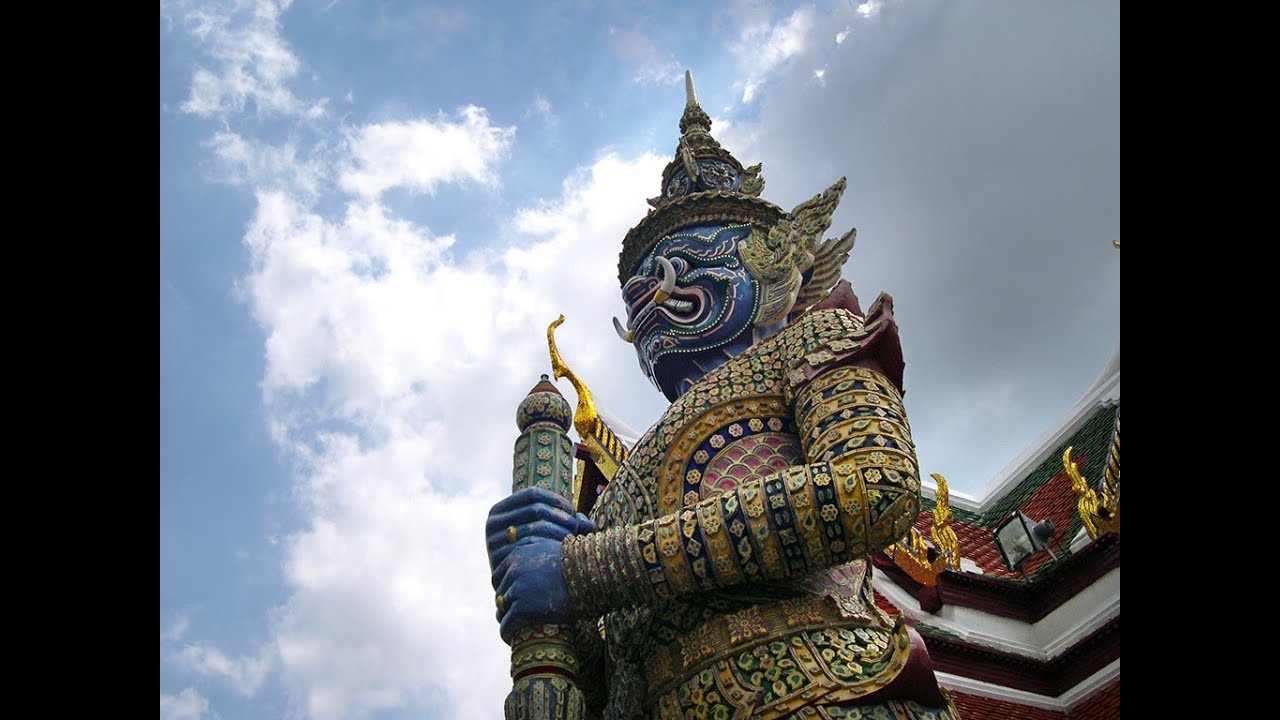
In both Bhuddhist and Brahmin Cosmological Pantheon, the four directional points of the compass have a Deity allocated to each direction. The deity allocated as the Lord of the North is “Taw Guwern” (Guberan), or more commonly known as “Taw Waes Suwann” (the word “Taw” meaning “Lord”). In Bhuddhist tales and Fables he is known by his Pali name Waes Suwann, or Waisarawan (Sanskrit).In both Thailand’s “Ramayana” and the original Hindu Brahmin Epic “Ramayana”, the name of this Being is “Lord Guberan” (Taw Guberan). Apart from this, The Lord of all Rich Fortunes and the Northern directions has other names, such as Tanesworn, Waisarawan, Yanksaraja, Raaksentorn, Ratanakan, and Aitawita (son of Itawata).
Reverses ill fate, turning bad luck into good.
Shields against negative energies, black magic, ghosts, and accidents.
Attracts good fortune and great loving-kindness, empowered by the two silver Na Setthi Takrut.
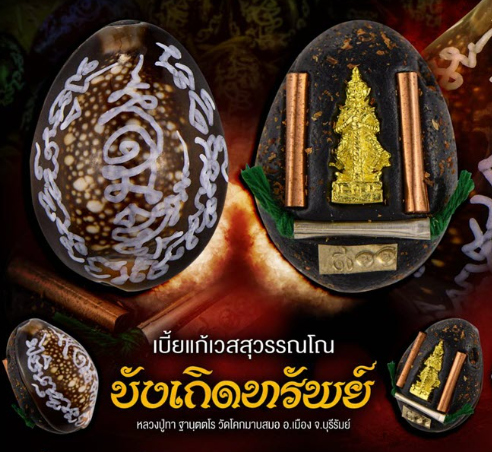
Bia Gae Jon bangerd Sap (Banish Poverty and Let Treasures Arise), Povery-Banishing animist charm with wealth attraction ad protective powers, from the Great Buriram Isan North-Eastern master Luang Phu taTidtatamo, of Wat Ba Koke Samoe, we see a most powerful and diligently created Bia Gae Ud Pong sacred Muan sarn Ppowder-filled cowry shell amulet in special Ongk Kroo version with triple Takrut and Taw waes Suwan Asura deva (Llord of Wealth), inserted into the Muan sarn sacred Powders of the inner side of the shel, which is filled with sacred Alchemical mercury.
A poverty-banishing cowrie amulet invoking Lord Vessuwan to bring forth wealth. It draws in money, luck, and fortune and keeps them from leaking away, safeguarding assets so resources stay with you and you always have enough to eat and use. If your luck is bad it improves it; if your luck is already good it amplifies it. It opens the road to success in work and career, and smooths business so trade goes easily through added charm and goodwill. It strengthens the owner’s authority, prestige, and destined merit. The great Lord Vessuwan, revered and awe-inspiring, drives away and disperses problems and obstacles, protects from dangers, overturns curses and harmful influences, blocks malicious acts, turning misfortune into good. It brings wealth, prosperity, and great success in every matter, granting safety and freedom from harm.
Bia Gae (Thai Cowrie‑Shell Amulet):
Origins, Symbolism, Beliefs, Care & Cultural Context
Excerpt: The Bia Gae (เบี้ยแก้) is a sealed, consecrated cowrie-shell amulet revered in Thai spiritual culture for protection, anti‑sorcery symbolism, and “wealth retention.” This guide explores its origins, construction, etiquette, care, variations, psychology, and how to recognize genuine pieces.
1. What Is a Bia Gae?
Bia means cowrie shell; Gae implies *to remedy, ward off, correct, fix.* A Bia Gae is a naturally hollow cowrie shell whose opening is sealed after ritual “charging” with sacred powders, herbs, scrolls (takrut), metals, or (traditionally) mercury, then coated—often in dark lacquer—and consecrated.
Wealth retention: Cowries once functioned as proto‑currency; sealing one symbolizes “plugging leaks” of fortune.
Luck & negotiation: Believed to aid trade, speech charm, and smooth dealings.
Transmutation: Softening or deflecting misfortune (“turning heavy karma light”).
It resides within Thailand’s syncretic tapestry of Theravada Buddhism, ancestral/animist reverence, and esoteric ritual technology.
Historical Roots
The Bia Gae is traced to late Ayutthaya through early Rattanakosin periods. Cowries’ monetary association naturally lent them symbolism of containment and retention. Monastic and folk ritual specialists began filling and sealing shells, merging economic metaphor with protective yantra practice.
Notable Lineages & Figures
Luang Pu Rod (Wat Nai Rong)
Wat Klang Bang Gaew lineage: Luang Pu Bun, Luang Pu Perm, Luang Pu Chuea
Other cited masters: Luang Pho Phak (Wat Bot), Luang Pu Rian, Luang Pho Thong Suk
As commerce expanded, merchants embraced Bia Gae for “wealth sealing.” In the digital age, online markets accelerated both appreciation and counterfeiting.
Construction & Materials
Exact formulas are lineage‑dependent; secrecy adds perceived potency. Still, common elements can be described.
Core Components
Cowrie Shell: Intact, thick, unmarred.
Fillings: Sacred powders (e.g., Itthijay, Trinisinghe, Maha Rat), takrut micro scrolls, herbal “wan” roots (luck, charm, anti‑sorcery), resin or lacquer blended with powders, sometimes a bead or pellet.
Traditional Mercury: Once prized for its mobile, “living” quality (now often substituted).
Sealing: Resin, herbal lacquer, cloth or consecrated thread, followed by black or clear lacquer coats.
Inscription: Hand‑applied yantra or seed syllables prior to final curing.
Consecration: Chanting, meditative focus, invocation of protective forces, dedication of merit.
Symbolic Layering
Form (containment) + Material (currency past) + Ritual (yantra/mantra) = a compact vessel of metaphoric “sealed fortune” and spiritual defense.
Believed Powers (Cultural Perspective)
Disclaimer: These are devotional/folk claims without scientific validation.
Transforming: Converting “heavy” obstacles into manageable setbacks.
Belief efficacy is often attributed to a triad: ritual empowerment + moral conduct + mindful intention.
Mercury Mystique & Modern Safety
Mercury’s fluid motion created an aura of “living metal,” reinforcing themes of adaptive protection. Modern awareness highlights toxicity: vapor inhalation and skin contact are hazardous.
Current practice: Many creators omit real mercury, using inert metal beads to mimic weight/sound.
If leakage occurs:
Do NOT touch with bare skin.
Double‑seal (e.g., nested zip bags) and ventilate area.
Consult hazardous material guidance or an expert before disposal or restoration.
Common Variations & Styles
Lacquer Finish: Black, red, clear natural, or aged matte patina.
Wrapping: Cloth netting, thread harness, metal (lead/silver) sheathing.
Sound Profile: Rattling (pellet/mercury) vs. silent (solid fill).
Use Format: Waist cord, neck pouch, altar display piece.
Antique vs. Contemporary: Micro‑crazed patina & mellow coloration vs. crisp gloss and bright script.
Etiquette & Handling
Recommended (“Do”)
Open the day with homage (e.g., “Namo” 3×) and explicit intention.
Carry above the waist in a clean pouch or pocket.
Keep it clean; treat it as a sacred object, not a trinket.
Support with ethical behavior: generosity, restraint, compassion.
Discouraged (“Avoid”)
Prying it open “just to look.”
Boasting or challenging (“Mine is invincible”).
Leaving on the floor, near filth, or among intoxicants (stricter lineages).
Exposing to direct harsh sun or high heat (lacquer degradation).
8. Simple Daily Practice
Example Morning Routine:
Homage: Recite “Namo” (or “Namo Tassa…” if appropriate) three times.
Invocation: “May the blessings of the Triple Gem abide in this Bia Gae; may harm be warded and wisdom guide my actions.”
Mantra: Choose one (e.g., “Na Mo Phut Tha Ya” or the form given by your teacher).
Specific Intention: e.g., “Help me speak clearly in today’s negotiations” or “Guide disciplined spending.”
Close: “Sadhu” (3×) with mindful breath.
Optional Offerings: A white flower and a glass of clean water refreshed daily (remove respectfully—not treated as waste).
Care & Preservation
Cleaning: Soft, dry cloth; avoid solvents or alcohol.
Storage: Padded fabric pouch; stable, moderate humidity; away from direct UV.
Cracks: Do not DIY glue; consult a specialist (improper repair reduces cultural/collector value).
Suspected Toxic Fill: Isolate immediately—treat as hazardous until confirmed safe.
Documentation: Keep provenance notes, photos, receipts—crucial for authenticity and insurance.
Authenticity & Spotting Fakes
Warning: High demand fuels an active replica market.
Indicators Suggestive of Age (None Conclusive Alone)
Best Practice: Seek multi‑source verification; join reputable collector forums; never authenticate from a single image.
FAQ
Q: Mine doesn’t rattle—is it weaker?
A: Not necessarily. Some lineages intentionally exclude moving pellets. Belief centers on ritual empowerment and personal practice.
Q: Can I wear it with other amulets?
A: Generally yes. Avoid scuffing or placing it “under” items considered ritually lower.
Q: Can it replace medical treatment?
A: No. It is a spiritual/cultural support. Always follow medical guidance.
Q: Bathroom etiquette?
A: Stricter traditions remove or wrap; others allow if kept respectfully above waist and not exposed.
Q: Can I open it to verify contents?
A: Opening damages spiritual integrity (belief) and collector value; risks toxic exposure if mercury present.
Psychological & Social Dimensions
Viewed through behavioral science, a Bia Gae can function as an intention anchor, reinforcing daily goal setting; a placebo-like confidence booster, reducing anxiety in business or travel; and a budgeting nudge, since the “sealed wealth” metaphor encourages mindful spending. Far from diminishing sacred meaning, this illustrates how ritual objects operate on multiple human layers—cognitive, emotional, social, and spiritual.
Ethical & Safety Reminders
No Invulnerability: It cannot physically stop bullets or guarantee safety—maintain practical caution.
Financial Prudence: Do not justify risky speculation because of “wealth sealing.”
Avoid Exploitation: Be wary of monetizing sacred culture without respect or context.
Material Safety: Treat unknown internal substances cautiously.
Respect + Skepticism + Cultural sensitivity create a responsible approach.
Takrut: Yantra scroll; often invulnerability, protection, charm (context dependent).
Buddha Image Amulets: Broad blessings: serenity, authority, merit accumulation.
Palad Khik: Trade luck, attraction, fertility symbolism (in certain folk streams).
Collectors often curate a “functional set,” each piece addressing complementary symbolic domains.
Conclusion & Reflection
The Bia Gae’s enduring appeal arises from its elegant synthesis: a historically monetary shell transformed into a vessel of protective and wealth‑retentive symbolism, ritually consecrated, and psychologically reinforcing disciplined intention. Whether you engage as a devotee, scholar, or collector, approach it with informed respect, cautious discernment (especially regarding mercury and counterfeits), and an understanding that true “protection” ultimately lives in ethical action, mindfulness, and wise decisions.
Disclaimer
All protective or wealth-related claims are traditional cultural beliefs. No scientific evidence supports literal magical effects. Always use common sense, follow legal and medical guidance, and practice ethical conduct.
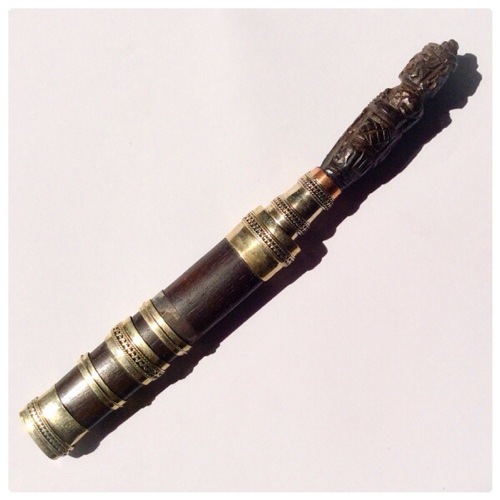
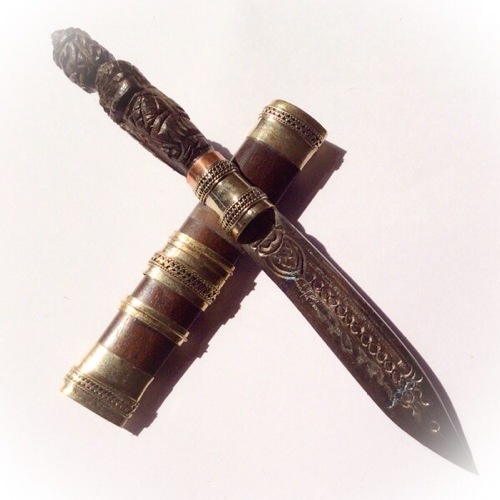
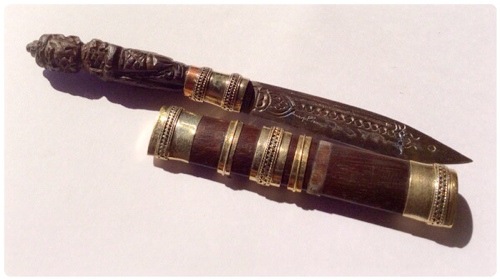
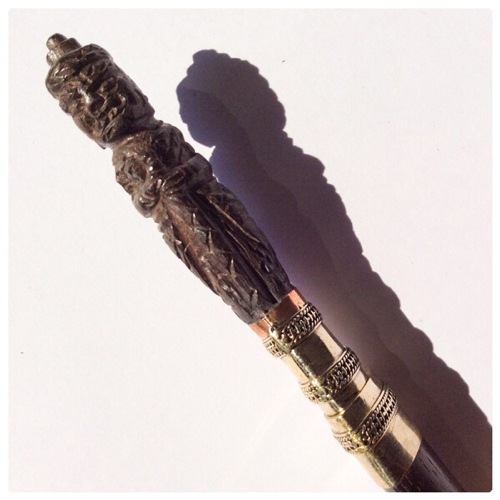
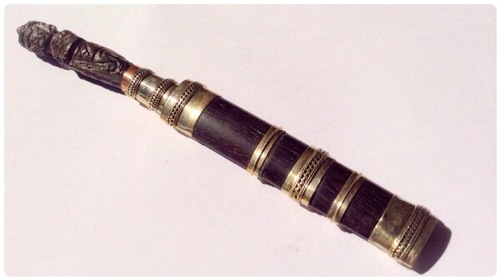
Mitmor Taw Waes Suwan Asura Deva ritual knife in 4.5 inch portable size – made from tamarind wood with silver bindings.
This sacred hand carved sacred wood spirit knife, with an image of the Asura Millionaire King of the northern Quarter of the Jadtu Maha Rachuga Celestial Realm, and one of the four Asura Kings. The image of Taw Waes Suwan (Kubera), is carved into its handle, has been made and empowered by the great Luang Por Prohm of Wat Ban Suan, in Pattalung. In addition, Ajarn Spencer kept them during the Wai Kroo and Ritual Boiling of Amulets in Herbal Metta Oils for a final empowerment.
This is one of small numbers of sacred ritual knives, made from bone, and also sacred wood. The Mitmor have been resting at the Asrom Por Taw Guwen awaiting a further empowerment held on the sixth of March 2557 BE, in Wai Kroo ceremony. You can see video documenting Ajarn Spencer’s ceremony at the bottom of this article.
Taw Waes Suwan Asura Deva is not only a God of Wealthy Businessmen, but also a powerful protection against black magic, and also a protector of Buddhism, and prevents you from cashflow problems. He guards over your previously accumulated wealth and possessions, and increases your social and professional status, and chances of promotion and professional advancement.
Luang Por Prohm has previously empowered the Mitmor, after inscriptions being made by Laymaster Ajarn Plien (Wat Don Sala). This item will be available and placed in stock, as of 6 March 2557.because the knives are made from natural sacred treewood, or bone, the colour of eachof the bone versions is slightly different, and can range from medium brown Siena, right up to pure white. The wooden versions are all similar in color. It’s carvings are slightly different in detail with each knife, and appearance, because it is individually hand carved, by the artisan.
Taw Waes Suwan Asura Deva knife Luang Por Prohm Wat Ban Suan
The colour of the item can therefore not differ slightly from the colour tone of the item in the image. They are however all equally attractive in all numbers of this series, and each item is unique in itself, for its difference in appearance. The quality of the carving and the empowerment that has been performed is identical with each ritual knife.
The knife measures five inches in the sheath. They were made with various carved bone, or wooden sheathes and handles, in different forms, including these Ganesha, Por Gae Lersi, and Taw Waes Suwan Asura Deva.
There are a multitude of ways in which the Mitmor Taw Wes Suwan can be used. For instance, as a ritual instrument it can be used for making holy prayer water. One can then use this consecrated water for treatment of physical ailments (abscess, etc.). When wandering through the forest, one can draw a magical circle on the ground where one will spend the night. The magical powers of Taw Wes Suwan will then offer you protection against attacks from various venomous animals, black magic, and harmful ghosts and spirits.
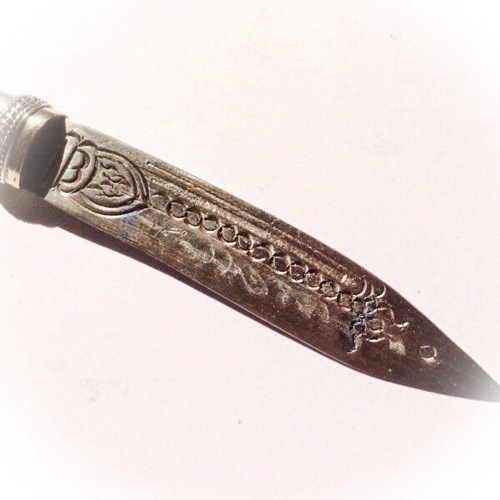
Sacred Khom (Ancient Thai-Khmer Pali Script), has been inscribed on the surface of the carved sheathes and the handles, as well as having been engraved into the surface of the metallic blades, imbuing them with the power of ancient invocations.
Empowered with the sorcery of the Masters of the Southern Khao Or cave Temple, and the lineage of Pra Ajarn Kong (Wat Ban Suan). Inscribed by the laymaster Ajarn Plien, of Wat Don Sala, and blessed at Wat Ban Suan in Putta Pisek ceremony.
Lord Waes Suwan is an Asura Deva, he is the King of the Northern Jadtu Maha Rachiga Kingdom – Lord of Treasures and Wealth, Protector against Demons, Ghosts and Malefic entities. Taw Waes Suwan should be revered by businessmen and financiers, and anyone who wishes to increase his financial and material wealth.
Also, in times of hardship and poverty, one should revere Taw Waes Suwan, which will enable you to have enough money to pay your bills and the cost of living with without any difficulty. Taw Waes Suwan is Responsible for chasing away and warding off Yaksa, Maras, Ghosts and Demons, and protects from all enemies.
The blade is covered with sacred inscription of Sanskrit spells engraved upon the edges of the ritual knife.
If he guards over you, the Asura and other Monsters will not dare to bother you, for he is indeed their King, Lord and Master and his Kata can bind and control them (The Aadtanatiya Paritta). His crystal club punishes any who dare to risk coming near with thoughts of harm. Taw Waes Suwan is an Accomplished Meritorious Wealthy Lord, whose great successes and efforts resulted in his amazing wealth and power over his minions. This elevated him to a Deva in the Dawadeungsa Heaven.
Kata chants and the story of Taw Wes Suwan (‘Chai Sing Hia’, ‘Guberan’)
Bucha Method;
Light Nine Sticks of Incense, offer Flowers
The main Kata for chanting to Taw Waes Suwan should be chanted Nine Times. Always chant reverence to the Triple Gem before chanting to any other Deities.
Reverence to the Triple Gem Namo Dtassa Pakawadto Arahadto Samma Samputtassa (3 times)
Itipiso Pakawaa Yommarachano Taw Waesuwanno Ahang Sukadto Namoputtaya Taw Waesuwanno Jadtumahaaraachigaa Yagkhapandtaa Patpuridto Waessapusang Puttang Arahang Putto Taw Waes Suwanno Namoputtaya
Kata Hua Jai Taw Waes Suwan (Root Heart Mantra) Wae Sa Pu Sa (pronounced ‘Way Sa Pu Sa’).
Aatanaatiyaparit – Kata Taw Waes Suwan
Wibpassisa Na Madt-thu Jagkhumandtassa Siree Madto
May i offer reverence and Bucha to Pra Wipassee Putta Jao who has divine eyes
Sikhissabpi Namadt-thu Sappaphudtaanugambpino
May i offer reverence and Bucha to Pra Sikhee Putta Jao who watches over and protects all beings of the three worlds
Waessa Phussa Namadt-thu Nahaadtagassa Dtabpassino
May i offer reverence and Bucha to Pra Waessa Putta jao who has removed all defilement from his heart through his great merits and efforts
Na Madt-thu Gagusandtassa Maarasenabp-bpamattino
May i offer reverence and Bucha to Pra Gagusanta Putta Jao who has beaten and devastaded the Maras and the armies of Mara
Gonaakamanassa Namadt-thu Praahmanassa Wuseemadto
May i offer reverence and Bucha to Pra Gonaakomana Putta Jao, who has risen above all defilement, and who resides in the Brahmacaryas
Gassabpassa Namadt-thu Wibp-bpamudt-dtassa Sappati
May i offer reverence and Bucha to Pra Gassapa Putta Jao who has ascended above suffering and is a skilled Adept in all Dhammas
Ankeerasassa Namadt-thu Sakya Bpudtassa Siree Madto
May i offer reverence and Bucha to Pra Angkeerasa Putta Jao, the Splendrous Son of the Sakya tribe, who relvealed the Dhamma to the world which is the ultimate tool for the removal of all suffering
Yo Imang Tamma Mataesaesi Sappa Tugkhaabanudhanang
The Self Enlightened one uncovered and taught the Dhamma, which is the greatest tool for the removal of suffering
Yae Jaabi Nippudtaa Logae Yathaa Pudtang Wibpassisung
Who are the ones who have anihillated all defilement and see the truth of the world which lies behind all veils of illusion
Dtae Chanaa Abpisunaa Mahandtaa Weedtasaarataa
These Buddhas are without any malice and are great ones who are free from falterings and instabilities
Hidtang Taewamanussanang Yang Namassandti Kodtamang
The Angels and Humans may revere and Bucha these Buddhas who asre endowed with great Metta which they send to release the Devas and Humans in heaven and on the Earth from suffering.
Wichaa Jaranasambpannang Mahandtang Weedtasaaratang
They are full of Wisdom and Knowledge of the World, those Great ones who are free from instabilities
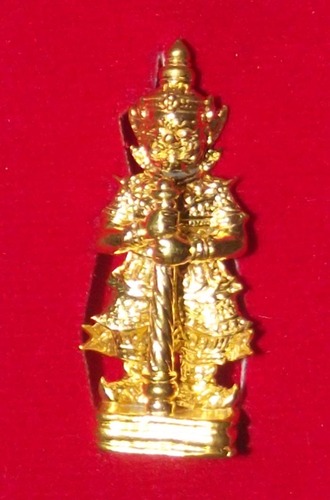
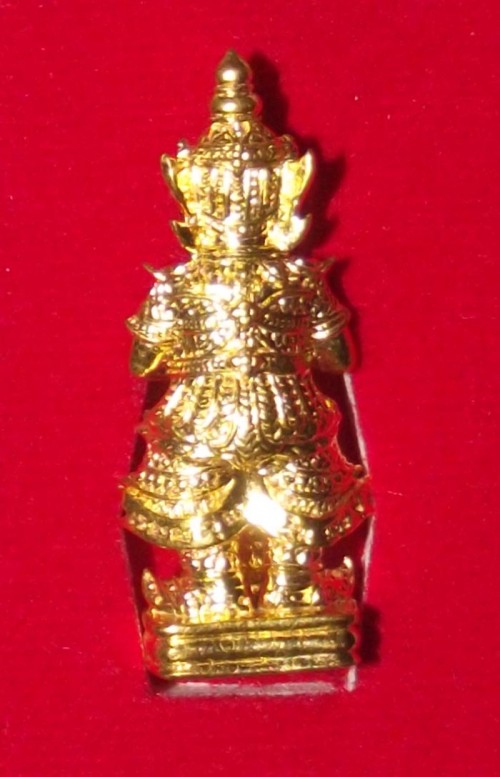
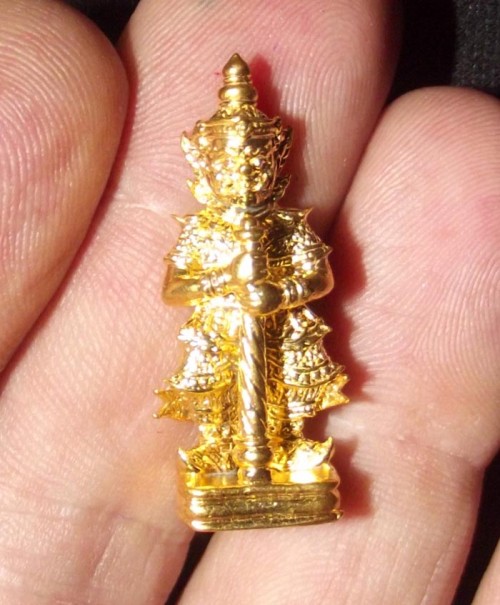
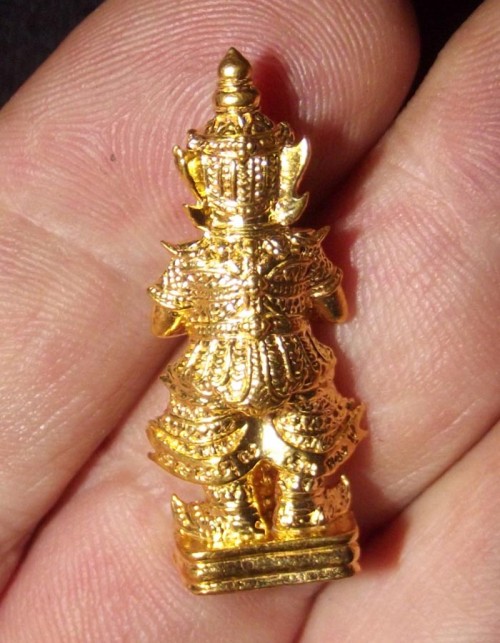
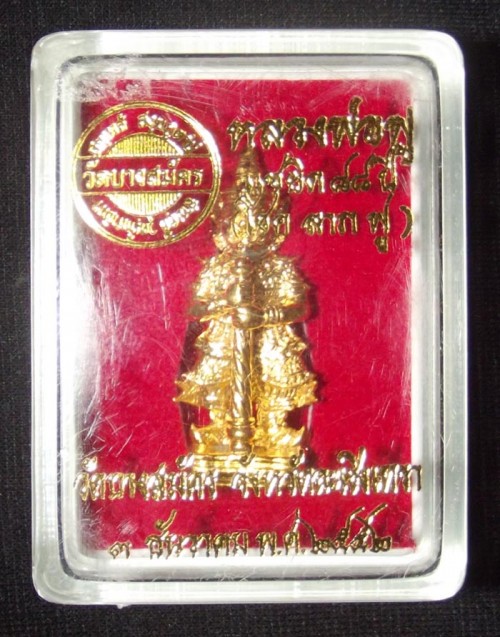
Taw Waes Suwan (Loi Ongk) Asura God Thai Buddhist Sacred Amulet – Nuea Samrit Chup Galai Tong Tae (Bronze with 22 Karat Gold Plating) ‘Run Sae Yid Choke Lap Foo’ 2552 BE Edition- Luang Por Foo 2552 BE
Released in the Internationally Acclaimed and Popular ‘Sae Yid Choke Lap Foo 2552 BE’ edition of Sacred Thai Buddhist Amulets from Luang Por Foo of Wat bang Samak. This Edition recieved National interest and Media Coverage, and was waited upon with Great expectancy.
Size; 3.5 Cm High x 1.5 Cm Wide
The amulet is made from a mix of Bronze Sacred Artifacts and Yantra Foils, smelted into the Chanuan Muan sarn. Sacred Powders are hidden within the interior of the statuette. This version in ‘Nuea Galai Tong Tae’, is covered in a Luxurious Coating of Pure Gold.
It was one of the Decades most Documented and Popular Editions, and all amulets in this Edition were officially cataloged and documented, making the a safe bet for collectors and connoisseurs as well as those who like to speculate with amulets that increase in value as time passes.
Luang Por Foo was the First Apprentice in Magic to Luang Por Ding, and is considered one of the Country’s most Prominent Gaeji Ajarn Guru Monks. This editions main aim was to increase Wealth and remove Obstacles, and Protect from Dark Magic.
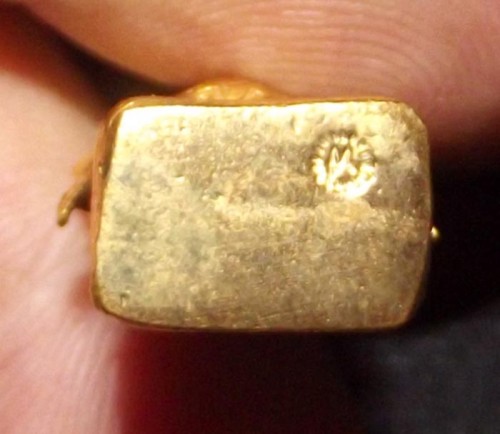
The Authenticity Code of Wat Bang Samak is embossed on the base of the amulet
The Edition included a large range of Hanuman Amulets in various sacred Metals, some Palad Khik Dtua Kroo, Sethee Navagote (Nine Faced Buddha of Wealth), and these Taw Waes Suwan Asura God Amulets. The Taw Waes Suwan amulet was made in varous different materials including Nuea Tong Daeng, Samrit, Tong Rakang, Galai Tong Tae, and Sam Kasat (Bronze, Silver and Gold metals). They were made in Pim lek (small) and Pim Yai (large) sizes.
Comes in Original Temple Box – Can be Encased if Desired.
May i offer reverence and Bucha to Pra Angkeerasa Putta Jao, the Splendorous Son of the Sakya tribe, who revealed the Dhamma to the world which is the ultimate tool for the removal of all suffering
Yo Imang Tamma Mataesaesi Sappa Tugkhaabanudhanang
The Self Enlightened one uncovered and taught the Dhamma, which is the greatest tool for the removal of suffering
Who are the ones who have annihilated all defilement and see the truth of the world which lies behind all veils of illusion
Dtae Chanaa Abpisunaa Mahandtaa Weedtasaarataa
These Buddhas are without any malice and are great ones who are free from falterings and instabilities
Hidtang Taewamanussanang Yang Namassandti Kodtamang
The Angels and Humans may revere and Bucha these Buddhas who are endowed with great Metta which they send to release the Devas and Humans in heaven and on the Earth from suffering.
May i offer reverence and Bucha to Pra Putta Jao Kodtama Kodtara, who is Adept with Knowledge Wisdom and Grace.
The video below lets you hear the full version of Kata Taw Waes Suwan used in the famous ‘Suad Pan Yaks’ Ceremony to summon the Asura Kings, and beg their blessings.