Jao Mae Kwan Yin Nuea Wan Sabu Luead - Ajarn Hmom Niranam Traipoom

The Jao Mae Kwan Yin Bodhisattva Nuea Wan Sabu Luead (Bloodsoap Herb Powders) edition of 2552 BE represents one of the rarest, most esoteric, and deeply sought-after sacred creations from the legendary lay sorcerer and spiritual master, Ajarn Hmom Niranam Traibhumi (Ajarn Hmom Niranam Traipoom). Consecrated during an epic ritual gathering in Sisaket Province on November 24, 2009, this dual-archetype talisman synergizes the boundless ocean of Mahayana Buddhist compassion with the unshakeable cosmic martial authority of Vedic cosmology.

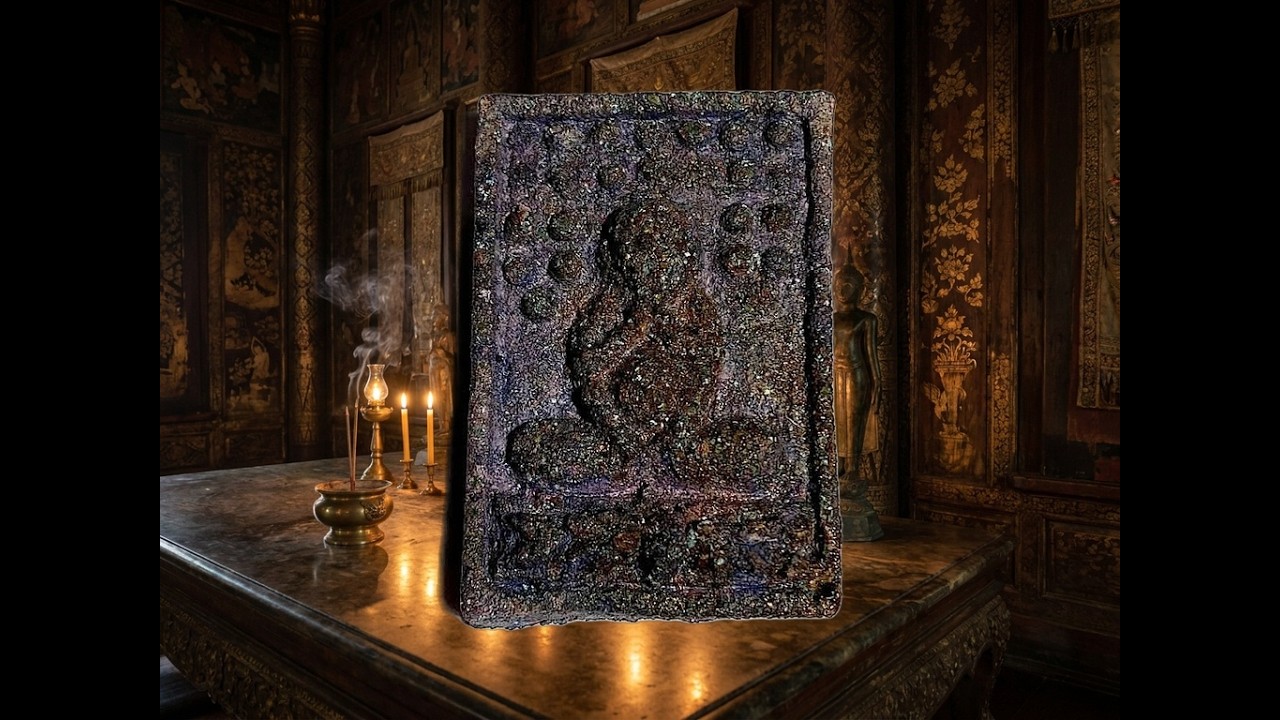
Jao Mae Kwan Yin Front Face Sacred Red Wan Sabu Luead
Frontal relief of Jao Mae Kwan Yin Bodhisattva standing gracefully upon ocean waves and blooming lotus pedestal in sacred crimson Wan Sabu Luead.

The Enigmatic Lineage of Ajarn Hmom Niranam Traipoom

Ajarn Hmom Niranam Traibhumi is renowned throughout Thailand as an aristocratic, enigmatic adept of exceptional spiritual standing. Moving freely between royal and monastic circles, Ajarn Hmom dedicated decades to funding monumental temple construction, sponsoring state ceremonies, and donating consecrated amulets directly to frontline soldiers, border patrol police, and military personnel guarding hazardous border provinces.

His amulets are famous for requiring no commercial fanfare; rather, their extraordinary efficacy in Kong Grapan (invincibility), Klaew Klaad (catastrophe evasion), and miraculous career elevation created an intense organic following among high-ranking commanders, politicians, and seasoned collectors. Known for utilizing profound esoteric geometries and rare occult botanicals, Ajarn Hmom’s editions are considered modern classics of Siamese sorcery.

Rear Face Pra Narai Vishnu Four Armed Cosmic Form
Rear face displaying the four-armed cosmic form of Pra Narai (Vishnu) bearing his celestial weapons, surrounded by intricate sacred yantra scripts.

Botanical Alchemistry: Nuea Wan Sabu Luead

The foundational medium of this sacred amulet is Nuea Wan Sabu Luead — the legendary Bloodsoap root herb (Stephania venosa). In ancient Thai herbal sorcery (Tamra Wicha Wan), Sabu Luead is celebrated as the paramount plant for granting physical invulnerability, skin resilience against cutting weapons, and spiritual rejuvenation.

When harvested according to astronomical alignments with proprietary incantations, the crimson sap and potent root powders absorb immense protective prana. Ajarn Hmom combined these pulverized blood-red root fibers with sacred Pong Puttakun temple powders, crushed gemstone dust, and consecrated floral pollens, imparting to the amulet its rich earthy red hue, tactile density, and subtle natural botanical fragrance.

Profile Macro View Showing Wan Sabu Luead Density and Edge Relief
Edge profile macro view exhibiting the compressed density of the herbal paste and crisp three-dimensional sculptural layering.

Dual Archetypal Cosmology: Kwan Yin & Pra Narai

What elevates this edition to the apex of sacred design is its unique bilateral esoteric synthesis:

  • Front Face — Jao Mae Kwan Yin (Avalokiteshvara Bodhisattva): The supreme Chinese-Mahayana embodiment of unconditional mercy, compassion (Karuna), and loving-kindness (Metta). She holds the sacred willow branch and nectar phial, dispensing spiritual dew to extinguish the burning fires of suffering, family disharmony, illness, and worldly stress.
  • Rear Face — Pra Narai (Lord Vishnu) & Sacred Yant: The supreme Brahmanical preserver deity in his dynamic four-armed manifestation, holding the discus (Chakra), conch (Shankha), mace (Gada), and lotus. Pra Narai provides an impenetrable energetic perimeter, striking down malevolent spirits, reversing occult curses (Gae Aathan), and granting triumphant victory over competitive obstacles.

Together, this dual polarity ensures that while the devotee is wrapped in an aura of tranquil loving-kindness that attracts people and opportunities, their rear and blind spots are defended by the fiercest cosmic protector.

Macro Detail of Yantra Script and Astrological Characters
Macro detail showing the sacred astrological character stamps and protective yantra contours impressed into the reverse face.

The Grand Consecration Assembly of Sisaket (2552 BE)

On November 24, 2009 (2552 BE), one of the most formidable blessing ceremonies in modern Isan history was convened in Sisaket Province. The monastic assembly was presided over by the venerable Pra Phrom Wachirayan (Prasit Khemangkaro, abbot of Wat Yannawa and member of the Supreme Sangha Council), alongside dozens of renowned master monks, forest meditation adepts, and white-robed lay sorcerers.

Over successive days and nights, the assembly focused concentrated Vipassana power and ancient incantations into the sacred powder pressings, sealing them with multifaceted blessings:

  • Metta Maha Niyom: Inspiring universal favor, popularity, and harmonious interpersonal relationships.
  • Serm Duang & Serm Choke: Raising fallen horoscopes, enhancing good fortune, and accelerating financial flow.
  • Gae Aathan & Pongan Pai: Total shielding against ghosts, curses, psychic attack, and catastrophic accidents.
  • Health & Serenity: Promoting physiological tranquility and protection from pathogenic miasmas.
Oblique Perspective Revealing Subtle Herbal Muan Sarn Textures
Oblique perspective showcasing the authentic matte surface texture and natural color variations of the Wan Sabu Luead blend.

🎧 Listen as You Read

Press play to listen to the audio narration

YouTube player

Bucha Practice & Sacred Incantation

Due to its gentle yet powerful dual nature, this amulet is exceptionally suited for all genders, business proprietors, meditators, and those seeking domestic peace. It can be worn on a necklace at the chest or placed on a personal shrine.

Devotees may offer clean water, fresh tea, sweet fruits, and white lotus blossoms. Before leaving the home or commencing business, center your mind and chant the veneration mantra:

Kata Bucha Jao Mae Kwan Yin

“Namo Guan Shi Yin Pu Sa” (Recite 3, 9, or 108 Times)

(I take refuge in and pay homage to the supremely merciful and compassionate Bodhisattva Avalokiteshvara.)

Perspective View of Both Faces Side by Side
Dual perspective emphasizing the artistic mastery and harmonious balance between the Bodhisattva and the Cosmic Preserver.


Ajarn Spencer Littlewood for ThailandAmulet.net
All rights reserved.

Pra Kring Pairee Pinaat Pai Rit - Wat Bowon Niwet 2557 BE

The Pra Kring Pairee Pinaat Pai Rit (Wat Bovornives Voraviharn, Bangkok) stands as one of the most venerated and historically distinguished Buddha amulets in modern Thai Buddhist history. Consecrated in 2557 BE to commemorate the illustrious centenary and noble legacy of His Holiness Somdej Pra Nyanasamvara Suvaddhana (Somdej Pra Sangkaraj Yannasangwon), the 19th Supreme Patriarch of Thailand, this sacred loi ongk statuette carries the full weight of Royal monastic tradition and centuries of protective esoteric lore.

Pra Kring Pairee Pinaat Wat Bowon 2557 BE Frontal View
Frontal portrait of the Pra Kring Pairee Pinaat statuette encased in custom waterproof casing, displaying the serene meditative posture and royal arch.

The Royal Lineage of Wat Bovornives Voraviharn

Wat Bovornives Voraviharn (Wat Bowon) occupies a transcendent tier in Siamese Buddhist history. Located within the Phra Nakhon district of Bangkok, Wat Bowon is the premier royal temple of the Dhammayuttika Nikaya order and the historic residence of Thailand’s Supreme Patriarchs. It is also the sovereign sanctuary where Thai monarchs, including King Rama IV (during his extensive monkhood) and His Majesty King Bhumibol Adulyadej the Great (Rama IX), took holy monastic ordination.

His Holiness Somdej Pra Nyanasamvara, who presided over the Thai Sangha for nearly a quarter of a century until his passing at age 100, was renowned across the Buddhist world for his peerless mastery of Vipassana meditation, his profound humility, and his boundless Metta. Every sacred edition cast under his monastic auspices at Wat Bowon is treated by collectors, royalty, and lay devotees as an heirloom of sovereign spiritual merit.

Pra Kring Pairee Pinaat Wat Bowon Posterior Perspective
Posterior perspective showing the flowing royal sanghati robe contours and flawless blackened metal patination.

Iconography & Miracle Lore of Pra Pairee Pinaat

The name Pairee Pinaat literally translates to “Destruction of Foes” or “Enemies Vanquished into Nothingness.” The archetype dates back to the reign of King Rama III (Phrabat Somdej Pra Nangklao Chaoyuhua), when an ancient stone Buddha image displaying the gesture of vanquishing Mara was presented to Prince Mongkut (later King Rama IV) while he was residing as abbot at Wat Bowon. Soon after the image arrived at the temple, severe political conspiracies and treacherous intrigues directed against the Prince dissolved completely, with conspirators turning away or self-neutralizing.

In Thai esoteric sorcery (Wicha Saiyasart) and Buddhist iconography, Pra Pairee Pinaat does not promote violence or aggression; rather, it functions as an invincible metaphysical mirror. Any malice, slander, occult hostility, political sabotage, or backbiting directed against the righteous wearer rebounds back upon its originator, leaving the devotee unharmed under a canopy of divine grace (Klaew Klaad).

Pra Kring Pairee Pinaat Flank Profile Macro View
Lateral profile highlighting the precise facial features, serene contemplative half-closed eyes, and pristine metal casting.

Alchemical Composition & The Acoustic Kring Bead

This commemorative edition was cast from Nuea Loha Saksit Rom Dam — sacred multi-metal alchemical alloy enriched with ancient temple yantra foils, historical bronze bells, and consecrated monastic metal ingots, treated with a fine blackened satin patina (Rom Dam). Sealed within the hollow lotus pedestal base is an authentic Kring bead (rattle mechanism).

When gently shaken in meditation or prayer, the bead emits an ethereal, high-frequency acoustic chime. In ancient Medicine Buddha (Bhaisajyaguru) traditions, this sacred vibration is understood to awaken celestial guardian spirits, dispel dark psychic miasmas, harmonize personal biorhythms, and carry prayers directly to the ear of the Enlightened Ones.

Pra Kring Pairee Pinaat Alternate Profile Angle
Detailed angle showing the waterproof acrylic framing protecting the delicate alchemical surface from moisture and ambient wear.

The Grand Puttapisek Consecration Ceremony (2557 BE)

The consecration ceremony for the Pai Rit Sangkaracha Commemoration Edition brought together an assembly of Thailand’s most revered master monks within the historic Uposatha hall of Wat Bovornives. The rites were presided over by senior monastic luminaries including Pra Thep San Waetii and Pra Ajarn Decha Suritnutho.

Throughout the ceremony, continuous meditative incantations were channeled into the amulets, infusing them with multifaceted blessings:

  • Serm Duang & Serm Yos: Uplifting karma, destiny, social status, and professional promotion.
  • Klaew Klaad: Evasion of fatal accidents, physical dangers, and catastrophic disruptions.
  • Kong Grapan Chadtri: Invulnerability against sharp weapons and physical trauma.
  • Metta Maha Niyom: Bestowing an aura of serene loving-kindness that disarms hostile personalities.
  • Gae Aathan & Pairee Pinaat: Total neutralization of black magic, curses, jealousy, and treacherous adversaries.
Pra Kring Pairee Pinaat Base and Lotus Seat Detail
Bottom and lotus seat view displaying the sealed internal kring chamber and crisp double-lotus petals.

🎧 Listen as You Read

Press play to listen to the audio narration

YouTube player

Bucha Method & Sacred Incantation (Kata Bluk Sek)

To cultivate maximum resonance with the Pra Kring Pairee Pinaat, devotees place the amulet on a clean altar facing East or North, or wear it on a necklace at chest height. Offerings of clean water, white jasmine blossoms, and sandalwood incense may be made on Buddhist holy days (Wan Pra).

Before putting on or praying to the amulet, calm the mind, recite the Universal Triple Refuge (Namo Tassa Bhagavato Arahato Samma Sambuddhassa) three times, and then chant the dedicated activation Kata:

Kata Bluk Sek Pra Pairee Pinaat

“Sitthammatthu Sitthammatthu Sithammatthu I Tang Pa Lang”

(May absolute accomplishment and unshakeable spiritual power manifest through this holy embodiment, easing all worldly struggles and vanquishing all adversity.)

Pra Kring Pairee Pinaat Handheld Scale and In-Hand Perspective
Handheld perspective demonstrating the compact, highly wearable dimensions (2.5 x 2.0 cm) of this holy statuette.


Ajarn Spencer Littlewood for ThailandAmulet.net
All rights reserved.

Pra Pidta Ruay Pan Lan Nuea Bailan Pasom Pong Graduk Phii - Wat Sotaram

The Pra Pidta Ruay Pan Lan Nuea Bailan Pasom Pong Graduk Phii Hlang Yant Maha Ud is a formidable, highly esoteric votive tablet consecrated in the year 2566 BE at Wat Sotaram in Roi Et province, under the solemn presidency of Pra Maha Somporn. Created in the special ‘Run Ruay Pan Lan’ (One Thousand Millions Wealth Edition), this amulet represents a rare modern revival of the legendary high Hoeng Prai bone-ash alchemy pioneered at Wat Po Tha Tian during the Second World War.

The Wat Po Tha Tian Wicha Hoeng Prai & Sacred Bone Ash Alchemy

In Thai occult history, the supreme gold standard of bone-powder sorcery was established by Pra Ajarn Noo of Wat Po Tha Tian around 2484–2485 BE. Facing the horrors of wartime bombings and unrest, Ajarn Noo gathered the consecrated cremation ashes (Pong Graduk Phii) of deceased persons who perished under sudden or powerful circumstances. Through intensive Buddhist Pattidana (transference of merits) and Nirodha meditative empowerment, these wandering spirits were purified of karmic suffering and elevated into angelic protector entities (Thewada Prai).

Continuing this strict lineage, Pra Maha Somporn blended authentic consecrated Pong Prai Graduk Phii with an extraordinarily rich admixture of sacred herbs and mystic minerals. The deep dark matrix of the tablet consists primarily of Nuea Bailan—sacred ancient Buddhist scriptures inscribed on palm-leaf manuscripts that were ritually burnt into an ultra-fine, soot-black magical ash. To this base was added a tincture of blue Thaolong enchanted forest vines, pink Poon Kin Mak (consecrated betel-nut lime paste), and the potent crimson sap of the Sabu Luead (Bloodsoap) root herb.

Pra Pidta Ruay Pan Lan in Sacred Black Bailan Powders - Frontal View
Pra Pidta Ruay Pan Lan in Sacred Black Bailan Powders – Frontal View

The resulting votive tablet displays a characteristic dark charcoal body with subtle flecks of bone ash, pink herbal lime, and natural mineral blooming across the surface, confirming the authentic density of its sacred Muan Sarn ingredients.

Rear Face Displaying Maha Ud Gunstopper Sacred Yantra Inscription

Maha Ud Invulnerability & Ruay Pan Lan Wealth Manifestation

The front face of the amulet features the iconic posture of Pra Pidta (the Nirodha Buddha closing all bodily apertures to transcend sensory illusion). This form is celebrated for shielding the devotee from external negativity, toxic envy, and dark sorcery. On the reverse, the amulet is deeply stamped with the sacred Yant Maha Ud.

In Thai martial lore, Maha Ud signifies the supreme power of ‘stopping, sealing, and silencing’ hostile force. It is universally invoked for:

  • Gunstopper Invincibility (Maha Ud & Kong Grapan Chadtri): Neutralizing firearms, blunting weapon attacks, and protecting the wearer against physical trauma.
  • Catastrophic Evasion (Klaew Klaad): Diverting fatal accidents, collisions, and dangerous predicaments away from the devotee.
  • Hoeng Prai Wealth Catalyst (Maha Lap & Maha Pokasap): The purified Prai spirits act as an active spiritual engine, intuitively guiding the devotee toward profitable ventures, high-stakes windfall gains, commerce growth, and windfalls.
  • Premonitory Warning (Pongan Phii): Dispelling black magic, hexes, malevolent ghosts, and granting clear intuition of approaching opportunities or hazards.
Macro Detail of Bailan Herbal Texture, Thaolong Vine Tint, and Bone Ash Specks
Side Profile Showing Tablet Thickness and Clean Rim Profile

🎧 Listen as You Read

Press play to listen to the audio narration

YouTube player

Devotional Methods & Traditional Bucha Protocol

Because this Pra Pidta contains purified Buddhist Thewada Prai bone powders rather than lower demonic spirits, it requires no blood, raw offerings, or sinister rituals. To worship the amulet, place it respectfully on a clean altar, light 3 or 5 incense sticks, and offer clean water and fresh flowers. Chant the Namo Tassa three times, followed by the Pra Pidta Maha Ud incantation:

“Namo Tassa Bhagavato Arahato Samma Sambuddhassa (3 times)
Na Mo Put Taa Ya, Na Ma Pa Ta, Ja Pa Ga Sa, I-Gaa-Wi-Ti, Maha Ud Ud-Thang Ad-Tho, Na Ud Mo Ad, Put Ad Taa Ud, Ya Ad Na Ud… Maha Lapo Bhavantu Me.”

Focus your intention on righteous wealth generation, invulnerability, and spiritual sanctuary.

Base and Lower Edges Showing Traditional Hand-Pressed Clay Density
Three-Quarter Perspective of Consecrated Nirodha Buddha Talisman

Ajarn Spencer Littlewood for Thailand Amulets
All rights reserved.

Hun Payont Por Gae Ta Ba Khaw Nuea Loha Aathan - Por Tan Kloi Wat Phu Khao Tong

The Hun Payont Por Gae Ta Ba Khaw Nuea Loha Aathan Mad Daay Akom Gang Geng Jong Graben Khiaw is one of the most revered and sought-after occult guardian effigies created by the Great Por Tan Kloi Anomo of Wat Phu Khao Tong in Phatthalung province. Consecrated in 2556 BE during the historic ‘Sang Hor Chan’ edition to fund the construction of the monastic refectory, this masterpiece talisman represents the zenith of modern Southern Thai sorcery in the authentic Khao Or Lineage.

The Khao Or Mountain Cave Sorcery Lineage & Wicha Hun Payont

For well over a millennium, the limestone cave shrines of Wat Khao Or in Phatthalung have served as the paramount fountainhead of Thai spiritual sciences, occult metallurgy, and esoteric sorcery. In this southern lineage, the Wicha Hun Payont is not mere superstition, but an advanced metaphysical science of animating inanimate matter with an autonomous astral guardian spirit (Jit Winyan).

Por Tan Kloi, widely hailed as the undisputed modern master of Hun Payont effigies, cast this sacred series from Nuea Loha Aathan—an alchemical alloy composed of consecrated temple metals, ancient yantra foils, sacred bronze artifacts, and mystic minerals. The effigy takes the form of Por Gae Ta Ba Khaw (the White-Robed Ascetic Elder / Hermit Rishi), symbolizing spiritual purity, ancient primordial authority, and transcendent protective power.

Hun Payont Por Gae Ta Ba Khaw - Frontal Display with Green Jong Graben Breeches
Hun Payont Por Gae Ta Ba Khaw – Frontal Display with Green Jong Graben Breeches

Each individual effigy was meticulously hand-bound using sacred spellbound threads (Mad Daay Akom), ritually dyed green to represent the traditional Thai Jong Graben breeches. During the binding ritual, Por Tan Kloi performed the ancient Khao Or invocation of the Dhat See (the Four Elemental Foundations: Earth, Water, Fire, and Wind) combined with the Kata Akarn 32 (the 32 physical attributes of living beings). Through continuous breath control and meditative absorption (Jhana), the master awakened the dormant metal effigy, transforming it into an alert, living spiritual sentry.

Sacred Alchemical Loha Aathan Alloy and Spellbound Cord Weave - Macro Detail
Sacred Alchemical Loha Aathan Alloy and Spellbound Cord Weave – Macro Detail

Occult Attributes, Sentry Duties & Metaphysical Protection

In Thai occult traditions, a properly empowered Hun Payont fulfills the role of an incorporeal spiritual bodyguard and household guardian. Unlike negative necromantic entities that require dark appeasement, Por Tan Kloi’s Hun Payont Por Gae is powered by Buddhist virtue and white-robed rishi ascetic purity, making it safe, benevolent, and deeply loyal to its owner.

The talisman provides six primary dimensions of protection and empowerment:

  • Kong Grapan Chadtri & Klaew Klaad: Invincibility against physical weapon strikes, bladed instruments, ballistic danger, and miraculous evasion from fatal collisions or roadway accidents.
  • Gae Aathan & Pongan Phii: Inviolable psychic armor against curses, malevolent black magic, voodoo, graveyard sorcery, demonic incursions, and lower astral haunting.
  • Premises & Vehicle Guard: Autonomous surveillance over the owner’s residence, business establishment, or vehicle, deterring burglars, thieves, and malicious trespassers.
  • Premonitory Warning (Nimitta): Projecting warning omens into the owner’s dreams or instincts prior to unforeseen dangers or duplicitous people.
  • Maha Lap & Maha Pokasap: Drawing business prosperity, windfalls, high-volume customer footfall, and unyielding financial growth.
  • Metta Mahaniyom: Cultivating respect, benevolent mercy, and authoritative standing in negotiations and professional circles.
Side Profile View Displaying Ancient Khao Or Hermit Ascetic Demeanour
Rear Perspective Displaying Consecrated Binding Knots and Metal Core

🎧 Listen as You Read

Press play to listen to the audio narration

YouTube player

Devotional Methods & Traditional Bucha Protocol

To welcome and consecrate the Hun Payont into the residence or altar, light 5 incense sticks and offer clean fresh water, betel nut, or sweetmeats. Recite the Maha Namasakara (Namo Tassa) three times, followed by the specific Bucha incantation for Khao Or Hun Payont:

“Om Pluk Maha Pluk, Goo Ja Pluk Phra Hun Payont Duay Gae-Saa Loh-Maa Nak-Khaa Tan-Dtaa Dta-Joh, Phut-Thang Bprasitthimae, Tham-Mang Bprasitthimae, Sang-Khang Bprasitthimae… Na Ma Pa Tha, Na Mo Phut Tha Ya.”

Instruct the effigy clearly in your mind or out loud regarding its protective assignment—whether to guard your home, vehicle, store, or personal safety while travelling.

Base Perspective and Cord Fastening Craftsmanship
Three-Quarter Perspective of Consecrated Guardian Effigy

Ajarn Spencer Littlewood for Thailand Amulets
All rights reserved.

Chueak Takrut Koo Ud Look Sakot Nuea Dtakua - Luang Por Koon Wat Ban Rai

The Chueak Takrut Koo Ud Look Sakot Nuea Dtakua is an exceptionally rare, early-era occult talisman created and empowered by the Great Luang Por Koon Bparisutto of Wat Ban Rai in Nakhon Ratchasima province. Conceived as a complete personal protective compendium, this masterwork artifact combines two ancient alchemical Takrut Tone Yantra scrolls rolled from sacred copper foil (Nuea Tong Daeng) with four spellbound leaden seals (Look Sakot Nuea Dtakua), bound permanently onto an authentic green hand-woven cord belt (Chueak Kart Aew).

The Metaphysics of Look Sakot: Locking and Sealing Sacred Power

In the sacred lineages of Thai Theravada occultism, a Takrut Tone serves as a physical vessel holding the consecrated mental energies and Yantra spells inscribed by an attained master. However, without proper alchemical locking, the raw magical charge of an amulet can be diluted over decades or interfered with by conflicting external sorceries. To prevent any leakage of power, Luang Por Koon flanked and capped each copper scroll with heavy alchemical leaden beads known as Look Sakot.

The word Sakot (สะกด) literally signifies to hypnotize, restrain, seal, or command. In this compendium, the leaden Look Sakot beads perform a triple role: they perpetually amplify the internal magnetic resonance of the inscribed copper foil, form an impenetrable psychic shield that prevents rival sorcerers or lower astral spirits from siphoning the blessing, and establish a steady protective perimeter around the wearer’s physical body.

Luang Por Koon Twin Takrut Tone with Lead Look Sakot Seals - Macro View
Luang Por Koon Twin Takrut Tone with Lead Look Sakot Seals – Macro View

Luang Por Koon: The Miraculous Monk of Wat Ban Rai

Luang Por Koon Bparisutto is widely revered across Southeast Asia as an attained Arahant whose superhuman stamina and purity of Dhamma practice transformed the lives of millions. Famed for his spontaneous spiritual absorptions, Luang Por Koon could attain the highest levels of Samadhi meditation in seconds, empowering amulets with intense, instantaneous blessings that made his talismans legendarily responsive.

🎧 Listen as You Read

Press play to listen to the audio narration

YouTube player

Despite raising hundreds of millions of Baht throughout his monastic career, Luang Por Koon never retained personal wealth. He lived in utter simplicity, squatting in down-to-earth humility and donating every single cent toward building hospitals, schools, electricity grids, and water infrastructure for rural communities in Isan. Devotees wear his amulets not only for their legendary invincibility but as a sacred beacon of selfless moral conduct and boundless generosity.

Green Chueak Kart Aew Cord Belt Weave and Lead Binding Bead Detail

Comprehensive Four-Fold Blessings and Occult Powers

The Chueak Takrut Koo compendium is engineered to furnish balanced, comprehensive protection across all facets of daily life:

  • Kong Grapan Chadtri & Klaew Klaad: Invincibility against sharp weapons, projectiles, and ballistic threats, accompanied by total evasive shielding to escape lethal vehicular accidents.
  • Maha Lap & Maha Pokasap: Continuous influx of unexpected windfalls, business fortune, commercial prosperity, and accumulation of liquid assets.
  • Maha Amnaj & Serm Yos: Imposing authoritative aura that commands respect and obedience from subordinates, colleagues, and officials in positions of power.
  • Metta Mahaniyom & Gae Aa-than: Gentle charisma that softens harsh hearts and neutralizes malicious sorcery, psychic hostility, and negative household karma.
Sacred Copper Foil Yantra Scroll Inscription and Leaden End Cap

Bucha Method & Sacred Chanting Verses (Kata Aathan)

To cultivate a direct spiritual connection with Luang Por Koon and awaken the protective cord belt, devotees should place the talisman before a clean altar or hold it reverently between prayer hands and recite the following three-stage ritual liturgy:

1. Maha Namasakara (3 Times)

Namo Dtat-Sa Pakawa-Dto Araha-Dto Sam-Maa Sam-Put-Dtat-Sa

2. Trai Soranakom (The Triple Refuge – 3 Times)

Puttang Cheewidtang Yaawa Nipaanang Saranang Kajchaami
Tammang Cheewidtang Yaawa Nipaanang Saranang Kajchaami
Sangkang Cheewidtang Yaawa Nipaanang Saranang Kajchaami

3. Kata Aaraatanaa Pra Krueang (Invocation of the Amulet – 3 Times)

Puttang Aaraatanaanang Tammang Aaraatanaanang Sangkang Aaraatanaanang
Puttang Prasittimae Tammang Prasittimae Sangkang Prasittimae

Hand-Empowered Twin Takrut Belt Overview Display
Reverse Alignment and Corded Loop Fastener Detail
Full Length Perspective of Sacred Talisman Belt Compendium


Ajarn Spencer Littlewood for Thailand Amulets
All rights reserved.

Rian Sema Luean Samanasak Luang Por Tuad Wat Chang Hai

The Rian Yorn Yuk Luean Samanasak Luang Por Tuad represents one of the most revered, prestigious, and timeless archetypes in southern Thai Buddhist numismatics. Created in nostalgic reverence and architectural fidelity to the legendary 2508 BE Rian Sema Luean Samanasak consecrated by the immortal Abbot Pra Kroo Wisai Sope (Luang Por Tim) of Wat Chang Hai, this commemorative edition continues the unbroken lineage of Khao Or and Pattani master-monk blessings.

The term Luean Samanasak refers to the traditional royal elevation of monastic rank and ecclesiastical status. In esoteric amulet lore, amulets bearing this designation are consecrated specifically to awaken the supernatural forces of Serm Yos (promotion, social standing, institutional advancement) and Serm Duang (raising of destiny and counteracting ill fortune). Each individual coin in this limited edition is stamped with an official edition code stamp and individual series number on the front face.

The Triple Consecration: Wat Pako, Wat Ton Liab & Wat Bang Sai

Rather than relying upon a singular ritual empowerment, this commemorative edition was sanctified through a historic Triple Buddha Abhiseka itinerary across the holy sites most intimately bound to the life and legend of Somdej Chao Phra Khoh (Luang Por Tuad):

1. First Consecration at Wat Pako (Sathing Phra): Blessed in the ancient historical monastery where Luang Por Tuad resided during his tenure in Songkhla province, imbuing the medallions with monastic prestige and scholarly wisdom.

2. Second Consecration at Wat Ton Liab: Empowered at the sacred birthplace of Luang Por Tuad under the sacred Liab tree where his umbilical cord was interred, sealing the lineage with protective earth vitality and indestructible life-force.

3. Third Consecration at Wat Bang Sai (Pak Phanang): Concluded in Nakhon Si Thammarat province in a grand assemblage of senior Southern Guru Monks, invoking Klaew Klaad (evasion of fatal accidents) and Kong Grapan Chadtri (invulnerability).

Front Face Rian Sema Luang Por Tuad Luean Samanasak
Front face depicting Luang Por Tuad seated in meditative poise within ornate Sema contours.

Iconography & Master Portraiture

The obverse of the medallion features the serene, cross-legged image of Luang Por Tuad resting upon a blooming lotus pedestal, enclosed within flame-like kranok scrollwork and royal regalia motifs. Below the master, a banner proclaims his auspicious epithet.

The reverse face bears the high-relief portrait of Luang Por Tim Wat Chang Hai, the original visionary master who introduced Luang Por Tuad amulets to the modern world in 2497 BE. Surrounding Luang Por Tim’s likeness are sacred Khom Pali yantra inscriptions protecting the four cardinal directions and warding against physical harm, black sorcery, and malevolent astral currents.

Reverse Face Luang Por Tim Wat Chang Hai
Reverse face presenting the esteemed portrait of Luang Por Tim surrounded by sacred Khom script.

Numismatic Verification & Security Codes

Every authentic piece in this series is distinguished by clear die-struck code stamps and individualized numbering cleanly punched into the copper-bronze alloy surface. These microscopic security points prevent counterfeiting and establish verifiable provenance for serious numismatists.

Official edition code stamp closeup
High-magnification macro view of the official edition code stamp and serial strike.
Medallion rim and bevel craftsmanship
Clean coin rim cut, edge beading, and pristine metallic luster.

🎧 Listen as You Read

Press play to listen to the audio narration

YouTube player

Kata Bucha Luang Por Tuad Wat Chang Hai

Before putting on the medallion or setting out upon a journey, calm the mind, hold the medallion between your palms in the prayer gesture (Wai), and recite the preliminary homage:

Namo Tassa Bhagavato Arahato Samma Sambuddhassa

Then chant the universal Luang Por Tuad protective katha three times:

Na-Mo Pote-Tee-Sah-Toh Ah-Gun-Tee-Mah-Yah Ee-Tee Puh-Kah-Wah Ah-Rah-Hung Poot-Toe

Temple documentation plate 1
Official temple catalog archive record documenting the 3-blessings edition.
Temple documentation plate 2
Sacred Buddha Abhiseka ceremony assembly at Wat Bang Sai.

Sacred Amulet Specifications

Specification Attribute Detail / Historical Provenance
Amulet Title Rian Yorn Yuk Luean Samanasak Luang Por Tuad
Consecrating Tradition Wat Chang Hai / Southern Thai Khao Or Monastic Lineage
Blessing Locations Wat Pako, Wat Ton Liab, and Wat Bang Sai (Nakhon Si Thammarat)
Archetype / Model Rian Sema Luean Samanasak (Commemorative 2508 BE revival)
Primary Material Nuea Thong Daeng Rom Dam (Sacred blackened copper-bronze alloy)
Attributed Powers Serm Yos (Promotion & Rank), Serm Duang (Destiny Enhancement), Klaew Klaad (Fatal Evasion), Kong Grapan (Protection)
SKU Reference 05100


Ajarn Spencer Littlewood for ThailandAmulet.net
All rights reserved.

See Pheung Gao Burut Pichit Jai Nang Wicha Maha Laluay - Kroo Ba Dech

The See Pheung Gao Burut Pichit Jai Nang Wicha Maha Laluay (Nine Lustful Heartbreaker Ghosts Necromantic Potion, to Win the Hearts of a Lady) represents an extraordinary and highly coveted masterwork of northern Lanna charnel-ground sorcery. Hand-crafted and consecrated in 2552 BE by Kroo Ba Dech Gidtiyano at the secluded woodland cemetery hermitage of Samnak Songk Pha Cha Ban Rattanaporn in Payao Province, this esoteric enchantment potion embodies the most uncompromising occult traditions of the ancient Khmer and Lanna grimoires.

Immersed directly within this rich, aromatic necromantic balm is a consecrated pure silver spell scroll insert: the Takrut Na Jao Orn (‘Tender-Hearted Enchanter’). This specialized yantra spell operates on the psychological and spiritual faculties of those encountered, dissolving stubbornness, subduing anger, and creating a spontaneous feeling of affection, warmth, and submission in the hearts of listeners and prospective romantic partners.

Esoteric Muan Sarn & Charnel Ground Consecration

The material basis of this potion consists of pure forest honey beeswax gathered from wild hives hanging from high branches where bees departed without being stung, boiled in a bronze cauldron over a three-stage wood fire fed exclusively with Mai Rak (Love Tree) and Mai Mayom (Popularity Tree) timbers. To this foundation, Kroo Ba Dech blended 108 kinds of rare forest herbs (Wan), sacred pollen, and concentrated Nam Man Prai Gao Burut (the spiritual essence of nine deceased heartbreaker males who were legendary during life for irresistible charisma and amorous fortune).

See Pheung Gao Burut Pichit Jai Nang Kroo Ba Dech
Perspective view of the consecrated potion container with authentic ritual sealing wax.

The Wicha Maha Laluay & Na Jao Orn

The formula of Wicha Maha Laluay is celebrated throughout Southeast Asia for its power of total mental melting (‘Laluay’ meaning to dissolve, liquefy, or soften). When applied or carried, the amulet diffuses hostile tensions, softens cold hearts, and induces listeners to agree enthusiastically with business propositions, artistic appeals, or romantic overtures. The addition of the Takrut Na Jao Orn ensures that even the most formidable or proud individuals feel an irresistible inclination to accommodate the wearer’s desires.

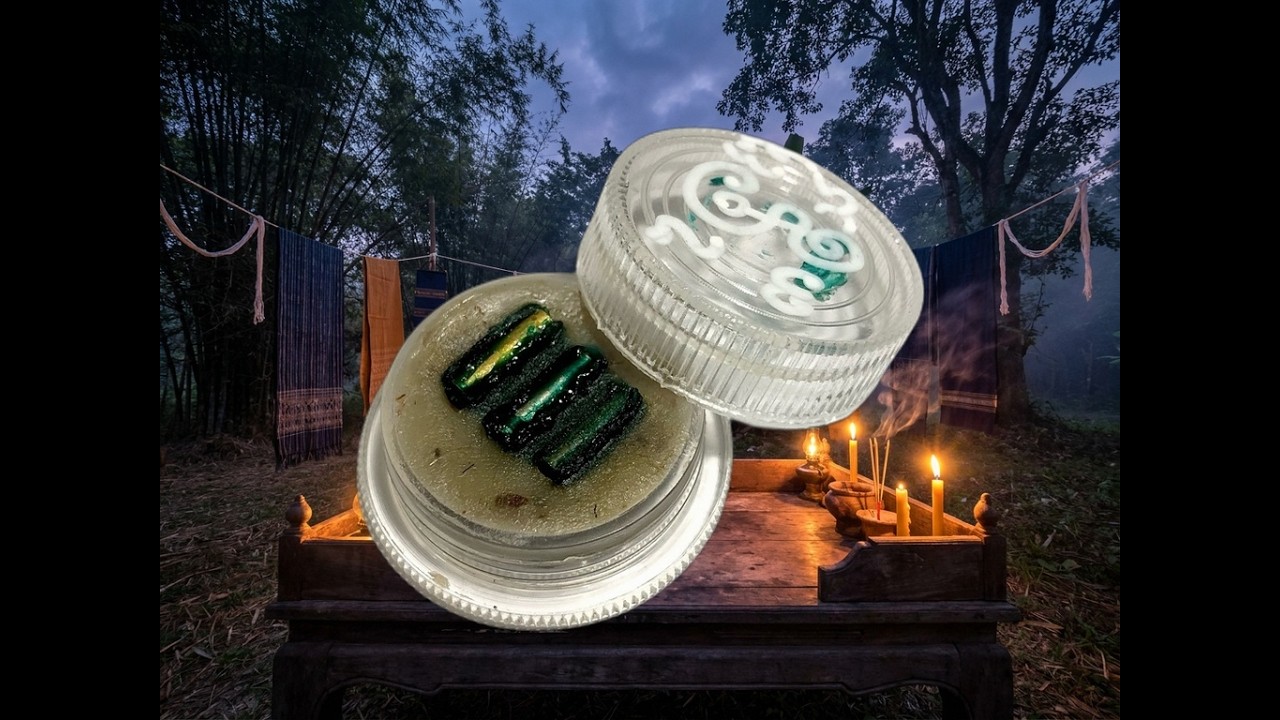
Takrut Na Jao Orn immersed in See Pheung
Macro view revealing the hand-inscribed Takrut Na Jao Orn submerged in sacred herbal wax.

🎧 Listen as You Read

Press play to listen to the audio narration

YouTube player

Methods of Application & Bucha Protocol

Devotees may engage the power of this sacred potion through two distinct classical modalities:

1. Active Dabbing (Jem): Using the ring finger (for romance and seduction) or index finger (for commanding authority and status), lightly dab a minuscule, imperceptible trace of the potion onto the eyebrows, forehead, or lips while reciting the Kata Bucha. This creates an immediate fragrant auric field of Metta Mahaniyom.

2. Passive Carrying (Krueang Rang): Devotees who prefer not to deplete the wax may carry the closed pot intact in their pocket, purse, or cash register. The resident Prai spirits and sacred Yantra emit continuous blessings of Maha Pokasap (wealth attraction) and customer enchantment.

See Pheung Gao Burut side profile
Side profile of the sacred necromantic potion container.

Kata Bucha See Pheung Gao Burut

Always chant the Namo Tassa preliminary homage three times first:

Namo Tassa Bhagavato Arahato Samma Sambuddhassa

Then recite the special heart-softener incantation of Kroo Ba Dech:

Om Maha Laluay, Ra-Luay Maha Ra-Luay, Jit-Tang Man-Soo, Na Metta Mo Garuna, Put Pra-Nee, Taa Yin-Dee, Ya En-Doo, Sappa Snaeha Jamma Sam-Saa, Sawaha Sawaha.

Sacred herbal beeswax texture macro
Detailed macro study of the pure herbal wax matrix and sacred oils.
Container base view
Base stamping and ritual verification markings.
Original temple packaging
Original edition packaging from Samnak Songk Pha Cha Ban Rattanaporn.

Sacred Amulet Specifications

Specification Attribute Detail / Historical Provenance
Amulet Title See Pheung Gao Burut Pichit Jai Nang Wicha Maha Laluay
Consecrating Master Kroo Ba Dech Gidtiyano (now practicing as Ruesi Hermit)
Temple / Hermitage Samnak Songk Pha Cha Ban Rattanaporn, Payao Province
Year of Consecration 2552 BE (Edition released 2560 BE)
Primary Muan Sarn Wild forest beeswax, 108 Wan herbs, Nam Man Prai Gao Burut, immersed Silver Takrut Na Jao Orn
Magical Properties Maha Sanaeh (attraction), Maha Laluay (heart-softening), Metta Mahaniyom (mercy charm), Maha Pokasap (wealth accumulation)
SKU Reference 05039


Ajarn Spencer Littlewood for ThailandAmulet.net
All rights reserved.