Special Ongk Kroo Model of the Daw Sethee Millionaire Star amulet, made from the world famous powerful Lek Nam Pi anmd Rae Serm Palang Gaay Libido and Health increasing Muan Sarn sacred Powders, with Look Namo spell metal slug, Solid Gold Takrut inserted into the rear face, from the Great aged forest tradition Master Monk, Luang Por Simpalee, of Wat Pha Mara Wichai (earlier resident at Wat Tham Wua Daeng). Extremely few of these amulets Were made in his Daw Sethee 2nd edition.

You can find the Daw Sethee Millionaire Star amulet here. This amulet was released in the 2nd Daw Sethee edition (Click here to view in store) of 2554 BE. The Daw Sethee edition (Click here to view in store) was world famous for the release of slver Lek Lai and Lek Nam Pi/RTae Serm Palang Gaay powders star amulets, crafted in the style of Luang Por Pina. The edition also included some Lek Lai Ngern Yuang Pyramids filled with Sacred Muan Sarn powders, which are among the most highly sought after of all LP Simpalee’s amulets, as well as the hardest to find.

These amulets were made with Luang Por Simpalee’s now World Famous ‘Rae Perm Palang Gaay’ powders, which possess Healing Powers, to Improve Health, and Increase Physical Libido/Stamina. The amulets were Made in 2562 BE, Empowered for 2 Years, with extra empowerment from Luang Por Adithep, and Released along with amulets of the 2564 BE Duang Sethee Edition

A Powerful Sacred Powder Amulet for Maha Pokasap, Maha Lap, Siang Choke, Maha Sanaeh, Metta Maha Niyom, Jerajaa, Kaa Khaay, Siang Choke and Gae Aathan
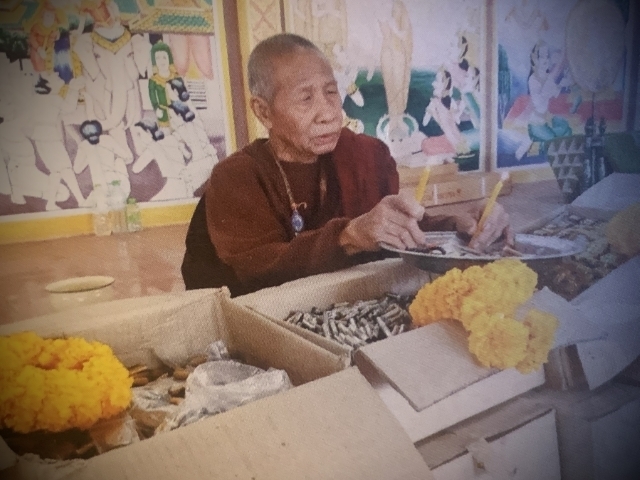
Luang Phu’s amulets have increased in popularity around the country, and south east Asia, and even to Buddhists and Practitioners of the Occult in the Western World, after it became Nationally known that his amulets have real power, and furor was set loose, causing his amulets to increase in price and rarity since many years already.

YouTube player

Luang Por Simpalee’s amulets are famously reputed for their power to work with all devotees, and to give sure results .The Buddha taught us that nothing in Life is Certain, but the amulets of Luang Por Simplii, are as close to a certainty as one could possibly get with an Amulet in this Era. His amulets are now extremely sought after, and very difficult to encounter, due to immense demand from devotees around the world.

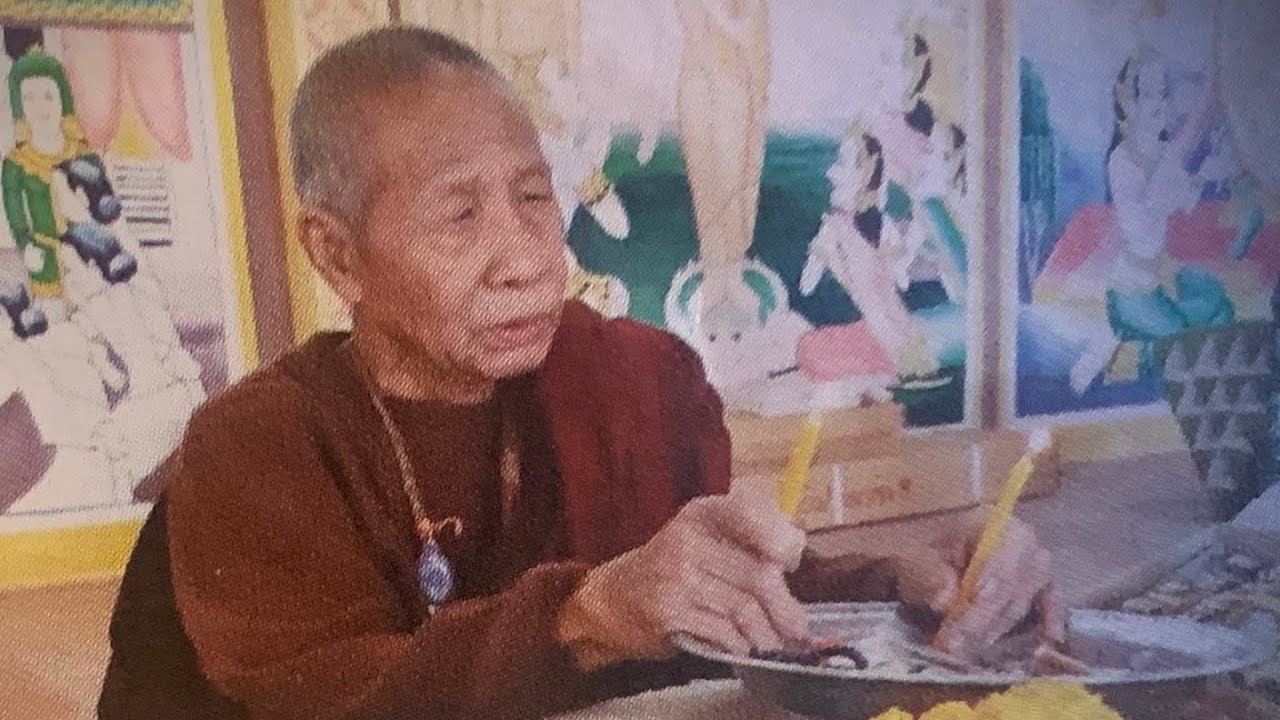
Few Masters can reflect such an amazing trajectory these days, and few can display such easily visible miraculous traits of meritorious practice. One of the last remaining direct Looksit of Luang Phu Mun, and one of the last remaining Masters of the previous Generation of Guru Monks to remain with us.
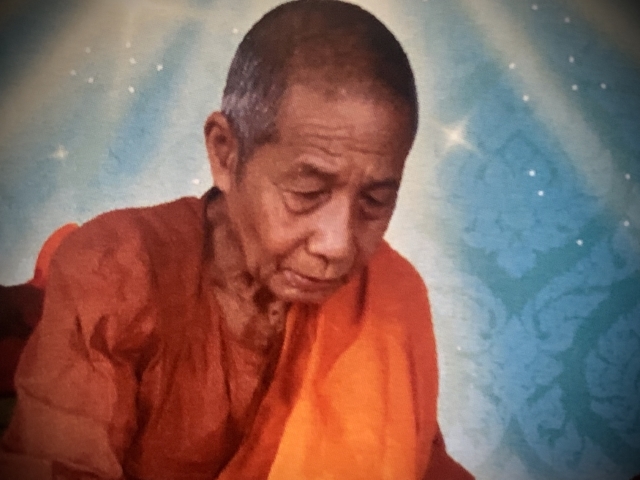
This Grand Master of over 122 years old (written 2024), is now highly in demand for his extremely powerful and authentically made Amulets. Luang Por Simpalee’s extreme attention to detail and faithfulness to the authentic methods of applied Magical Wicha Saiyasart, have made his amulets among the most highly sought-after in the present era.

His affinity and power to call the Magical Lek Lai Kaya Siddhi elemental substance, is renowned throughout the country and in various other countries of south-east Asia. His use of ground up powdered Lek Lai substance in the Muan Sarn Sacred Powders used for his Amulets, has become truly a trademark, as well as his use of Rae Perm Palang Gaay sacred herbal ingredients which have the power to heal a multitude of illnesses and mortal afflictions, and increase Libido.


This edition of amulets were made using the highest concentration of Lek Nam Pi Powders Possible, with ‘Rae Perm Palang Gaay’ Powders being the sole other ingredient. This makes the amulets powerful for the presence of LP Simpalee’s famous Rae Serm Palang Gaay Libido Increasing and Healing Powders, and Lek Nam Pi Kaya Siddhi Elemental Adamantine Substance.
The Sacred Powder Amulets in this edition, were made with a high grade of Muan Sarn, using high quantities of the two most powerful essential magical substances. The Powder was made by taking the sacred famous ‘Lek Nam Pi’ Adamantine Kaya Siddhi substance from the Holy Cave, and powdering it up grinding it up with Pong Rae Perm Palang Gaay Libido Increasing Magic Powder, and other Muan Sarn Sacred Powders using Powerful Magical ingredients, according to the Formulas of Ancient Wicha possessed by Luang Por Simpalee.

These amulets, use an almost pure formula of the Lek Lai Powder, along with Luang Por Simpaslee’s Famous ‘Rae Perm Palang Gaay’ Health and Libido Increasing Powders. The Lek Lai used for the powders was called from a Holy Cave, and then using Alchemy was transformed from solid earth elemental substance into flowing liquid Water Elemental subnstance, and cast into blocks, as well as into the shapes of amulets. Each amulet has a series inscription stamped on the front face of the amulet.

The Lek Lai pieces and Lek Lai powders were then given to Pra Ajarn Geng of Wat Khao Tham Pra Cave Temple, who is an Adept Master of calling the spirit of Lek Lai Kaya Siddhi Elemental Substance and to Empower it. After this, the Lek Nam Pi Powders and Lek Lai were brought to Ajarn Ongk Por Jidtra, at Pak Chong in Nakorn Rachasima, who possesses the Wicha to awaken all the magical powers within the Lek Lai, to bring protective magic, as well as prosperity improving powers. After this, Luang Por Simpalee took the powders to his temple, and performed a full five months of empowerment on a nightly basis, completing the invocation and empowerment process for the Lek Lai Powders to possess true power. Then the powders were mixed with Rae Serm Palang Gaay Powder, and used to press the Amulets.

Below; Sacred elements inserted into the rear face of the amulet, made from rich Lek Nam Pi and Rae Serm Palang Gaay Sacred Muan Sarn powders

YouTube player

The front face of the amulet features an 8 pointed star, with sacred geometrical connotations, and the Wicha of the Daw Nai Pan Nai Pon of LP Pina, imbued to boot which is covered in gold powders, applied with sacred oils.

This grand-master, is now at the extreme old age over 120 years old (in 2025), and was ordained by the great Arahant Monk, Luang Phu Mun himself, back in the days when he was still walking the forests of Thailand, and creating what is now known today as the most authentic and direct practice which is more similar to that of the time of the builder of all Buddhist Dogmas: the Tudong Forest Tradition.

Luang Phu Simplee is the living Master of this Lineage, with direct Initiation through the hand of Luang Phu Mun. The Forest Tradition of Tudong was in fact actually not even really a dogma, for it is better denominated as an applied method of practice, more than a method of philosophy, or philosophizing. This is perhaps one of the only last remaining Masters living memory whose direct lineage transmission from this era of masters, who are the most famous in the History of Thai Buddhism, Thai Amulets, and Buddha Magic.

Below: Lek Lai Ngern Yuang inserted into the Pong Rae Lek Nam Pi and Rae Serm Palang Gaay powder base of the rear face of the amulet


The specific empowerments performed by Luang Phu Simpalee have endowed this amulet with Powerful Wicha, for Goood Karma, Anti Black Magick and Protection, but not only. The Muan Sarn of the amulet and empowerments also are filled with Metta Mahaniyom, Klaew Klaad, Kong Grapan and Serm Duang as expected from his Amulets, Maha Lap and Maha Pokasap Wealthy Fortunes Magic, and Jerajaa Business Smooth-Talk. Luang Por performed his empowerments ubiquitously, in the way he always does, which is for those who know him, one of the most powerful empowerments one could expect, although he does not make a grand show of it.


So there are no amazing fireworks, or special effects with this Great and Ancient Forest Monk, but the real effect of magical power, is more what Luang Por prefers to concentrate on. In his usual silence manner and extreme focus, he blocked out the world, and focuses inwards to channel the streamflow of the Buddhas. He invokes and raises these Powers, and Transmits them outwards, embedding the power of the Buddhas Accomplishments, and the power of his own Sorcerous Incantations within the amulets.

YouTube player


Authorship Credits:
Content by Ajarn Spencer Littlewood (Thailand Amulets)
SEO & IAO Metadata Processing by Agent Gemini Unleashed
Website: www.ajarnspencer.com

The Khun Phaen Buang Sue Heng of Khun Pan, is one of the ‘don’t expect to find’ amulets of the Thai amulet world, and we are immensely proud and happy to have been able to hunt down and present this eternally famous, rare and powerful and most-desire amulet of the Khao Or Sorcery tradition, and of the devotees of the Great Bandit-Hunter and Lay-Sorcerer of olden days, Khun Pan.

The Khun Phaen Bang Suea Heng is already an amulet that is already an immense rarity in any version, this exhibit is a Pim Pised special version with twin takrut and Ploi Sek Maha Pokasap wealth attraccting gemstone insert, making this model an even more rare, powerful and desirable amulet, especially considering its mint condition, for an amulet that has already surpassed its first quarter-century since creation.

Below is an In-Depth Analysis Report: Directory and History of Sacred Objects by Police Colonel Khun Phantraksa Rachadej, “Buang Sue Heng” Series, 1998

This article compiles and analyzes comprehensive data regarding Police Colonel Khun Phanraksa Rachadej and the sacred objects he consecrated. The primary objective is to create a ‘Tamniab’ (Study Directory of the Pantheon) and detailed information about the Phra Khun Phaen “Buang Sue Heng” series from 1998, which remains highly sought after by collectors both domestically and internationally.

Khun Phaen Buang Sue Heng 2541 BE Pim Pised 2 Takrut & Ploi Sek Gemstone Insert - Khun Pan Rachadej

The Master Sorcerer of Khon City: Foundations and Origins of Mystical Arts

Biography of Police Colonel Khun Phanraksa Rachadej: The Legendary Crime Fighter

Police Colonel Khun Phanraksa Rachadej, originally named But Phanraksa, was born on February 18, 1903, in Ban Ai Khiao, Nakhon Si Thammarat Province. His background proves particularly fascinating, as his family descended from Brahmin lineage, establishing a crucial foundation that connected him to mystical sciences and occult practices from a young age. After completing his education at Wat Benchamabophit School in Bangkok, he continued his studies at the Police Cadet School in Huai Jrakhe, Nakhon Pathom Province, where he simultaneously served as a Muay Thai instructor.

Khun Phan’s government service career was filled with legendary encounters against notorious bandits. In 1931, he successfully apprehended “Sua Sang” and “Sua Phum” in Phatthalung Province. This achievement earned him the royal title “Khun Phanraksa Rachadej.” In 1938, he captured “Awae Sadotale,” a famous bandit possessing mystical invulnerability powers. In subsequent years, he transferred to central Thailand, where he confronted legendary bandits of the era including Sua Fai, Sua Bai, Sua Mahesuan, and Sua Dam. These numerous encounters with notorious criminals earned him nicknames reflecting his comprehensive prowess in law enforcement, including the well-known moniker “Khun Phan Dab Daeng” (Red Sword Khun Phan), derived from his signature paired swords kept in red cloth bags.

YouTube player

Mystical Arts Lineage and Influence of Khao Or School

Beyond being a skilled police officer, Khun Phan earned recognition as a “master sorcerer crime fighter” and “premier disciple of Khao Or School,” one of the most renowned and ancient centers of mystical learning in southern Thailand. Khun Phan’s mystical abilities originated from multiple sources, not limited solely to Khao Or School. Knowledge inherited through his Brahmin bloodline served as a fundamental factor establishing his mystical foundation. Additionally, he studied under various masters throughout the country.

Khao Or School, rooted in scholarly Brahmin traditions, perfectly aligned with his background. In July 1930, Khun Phan became a disciple of Khao Or School, introduced by Ajarn Nam, whom he revered as a benefactor teacher. Notable ceremonies of Khao Or School that many disciples, including Khun Phan, participated in included the “Chae Wan Ya” (herbal immersion) and “Gin Niao” (sticky rice consumption) rituals. Furthermore, he studied under other masters such as Luang Por Pua of Wat Khao Rahu and Ajarn Yai of Khlong Sam Sen. This multi-source education contributed to his comprehensive abilities and “multi-skill” reputation, demonstrating excellence in both law enforcement and mystical arts.

The Hero Who Created Legends: Khun Phan and Jatukham Ramathep

Origins and Role in Jatukham Ramathep Legends

Jatukham Ramathep represents a deity long associated with Nakhon Si Thammarat beliefs. Various legends surround this figure – some believe he protects the Buddha’s relics at Wat Phra Mahathat Woramahawihan, others consider him the city’s guardian deity, while some believe he was a former Srivijaya king. This diversity of narratives demonstrates the profound sanctity embedded in local beliefs.

Khun Phan’s Role in Promoting Faith

Khun Phan’s most significant contribution to the sacred object community was serving as the catalyst who popularized faith in Jatukham Ramathep nationwide. He initiated worship ceremonies at the Great Stupa and commissioned the first Jatukham Ramathep series in 1987. With his lifetime reputation as a “master sorcerer” whose existence and law enforcement achievements were well-documented, when invited to consecrate sacred objects, their sanctity received validation from his tangible persona – a more concrete and accessible belief than long-told legends. He also participated in creating other Jatukham Ramathep series, including the “Phutthakom Khun Phan Khao Or” series in 2001.

Legends of Crime Fighter and Bandits: Case Study of Khun Phan’s Encounter with Sua Dam

Combat Records: Khun Phan and the “Tigers”

Throughout his service career, Khun Phan confronted numerous notorious bandits, including Sua Dam, known as a “righteous bandit” who typically warned property owners before robbery and never harmed innocents. According to circulated accounts, Khun Phan once engaged Sua Dam in combat, but neither could hit the other until discovering they were fellow disciples of the same Khao Or lineage master. They agreed to end their conflict, with Khun Phan arranging for Sua Dam to ordain as a monk and cease criminal activities. This Sua Dam is believed to be Luang Por Thaweesak, also known as Luang Por Sua Dam.

Fact-Checking and Multiple Perspectives

Presenting the Khun Phan-Sua Dam story requires multiple viewpoint consideration, as information from various sources shows similarities but significant differences. Historical records indicate Khun Phan ordered “10 major tigers” who were fellow disciples of Luang Por Chuay to abandon banditry and ordain as monks, which most complied with except Sua Khoi. This story resembles user claims but doesn’t directly specify “Sua Dam.”

Simultaneously, information about Luang Por Thaweesak’s identity (Dhamma name Chutintaro), allegedly the former Sua Dam, remains widely debated. Despite his fame from claiming to be “Sua Dam” during the post-World War II period and his achievements as a development monk, video interview clips of “Sua Bai” contradict this, stating the real Sua Dam died long ago and Luang Por Thaweesak’s original name was simply “Dam.”

Therefore, the story of Khun Phan and Sua Dam being fellow disciples from Khao Or lineage likely combines two facts: Khun Phan’s encounters with a bandit named “Sua Dam” and his orders for fellow disciples turned bandits to reform and ordain as monks. Presenting this information requires critical thinking and distinguishing between circulated legends and recorded facts.

Directory of “Buang Sue Heng” Sacred Objects Series (Ten Thousand Fortunes), 1998

Origins and Creation Intent

The “Buang Sue Heng” sacred object series, translated from Teochew Chinese as “ten thousand fortunes” or “eternal prosperity,” was created in 1998 by Khun Lek Suphan, Khun Phan’s close disciple. The primary purpose of creating amulets and sacred objects in this series was to serve as talismans for gamblers and risk-takers, emphasizing virtues of fortune, commerce, and loving-kindness.

Materials and Rituals

Creating this sacred object series utilized numerous sacred materials and substances. Khun Phan provided sacred materials used in the 1987 Jatukham Ramathep series – his first series – as ingredients. Additionally, for the Jatukham Ramathep components, golden teak wood powder from the city pillar shrine was reportedly sprinkled on molds.

For consecration rituals, Khun Phan performed the divine consecration ceremony and solo blessing at his home in Nakhon Si Thammarat Province. The ceremony was conducted completely according to solar and lunar auspices, both day and night. Subsequently, these sacred objects underwent another consecration ceremony at the Prachuap Khiri Khan city pillar shrine in 2001.

Directory of Phra Khun Phaen “Buang Sue Heng” 1998

Compiling information from various sources enables creating this Phra Khun Phaen directory:

Mold Type | Material Content | Embedded Items

  • Phra Khun Phaen | Mixed sacred powder with herbs, hair | 2 silver takrut, consecrated gems
  • Phra Khun Phaen | Red herb material | Paired sarika takrut
  • Phra Khun Phaen | Mortar bottom material | Gems, hair, 2 silver takrut

Note: Available data indicates total production of 10,000 pieces for this series, likely referring to all sacred objects combined, not limited to Phra Khun Phaen alone.

References to “mortar bottom material” in multiple sources represent specialized terminology in the amulet community, indicating amulet material from powder residue remaining at mortar bottoms. Generally, mortar bottom material contains higher concentrations of sacred substances than other materials and often includes additional embedded sacred items like hair and gems. Special mention of mortar bottom molds among amulet enthusiasts reflects this material’s classification as rare and valuable among collectors.

Other Sacred Objects in the Same Series

Besides Phra Khun Phaen, this series included other sacred objects consecrated in the same ceremony, equally popular among collectors:

Sacred Object | Material | Embedded Items and Special Features

  • Jatukham Ramathep | Powder material | Gold-plated casing, golden teak powder from city pillar shrine
  • Yee Gor Hong coin | Gold-plated brass | Stamped with 1 Rahu code
  • Yee Gor Hong coin | Copper | –
  • Yee Gor Hong coin | Silver | – (extremely rare)

Sacred Object Distribution and Popularity

Another interesting aspect is this series’ distribution pattern. Initially, “Buang Sue Heng” sacred objects weren’t widely known in Thailand, with most exported to Malaysia for distribution among Jatukham devotees. Since most sacred objects weren’t circulated in the Thai market initially, this prevented price inflation from speculation, instead creating genuine demand from Malaysian and Singaporean collectors that continuously increased over time. This resulted in these sacred objects becoming increasingly rare in the Thai market, with current collectors needing to source them from overseas. Prices therefore rose according to genuine demand and scarcity.

Relationship Between Khao Or Mystical Arts and Sacred Object Virtues

The true value of sacred objects consecrated by Khun Phan, particularly the “Buang Sue Heng” series, isn’t limited to fortune-related sanctity as the series name suggests, but encompasses virtues of invulnerability and great authority that collectors value. These comprehensive virtues directly correlate with Khun Phan’s own multifaceted abilities, including loving-kindness magic (for Phra Khun Phaen) and invulnerability techniques used in apprehending criminals. Combining diverse sciences and knowledge within the consecrator creates sacred objects with complete power, making them highly desirable.

Sacred Object Value

It is easy to concude, that the “Buang Sue Heng” series from 1998 represents more than gambling talismans – they embody the living legend of their consecrator Khun Pan. The true value of Phra Khun Phaen and sacred objects in this series doesn’t derive solely from material content and molds, but from historical and mystical narratives connecting to the master sorcerer of Khao Or School. This core element maintains the power and desirability of Khun Phan’s sacred objects among worldwide collectors, making their study and directory compilation academically valuable and serving as reference sources for future researchers.


Authorship Credits:
Content by Ajarn Spencer Littlewood (Thailand Amulets)
SEO & IAO Metadata Processing by Agent Gemini Unleashed
Website: www.ajarnspencer.com

Bia Gae Jantr Pen by Luang Por Glom, Wat Nong Bua, 2555 BE (2012 C.E.) ‘Gae Duang Chataa Hai dee Gan Sing Chua Raay’ (Improve kKarma for good luck and protect against evil edition) – 2 silver Takrut version: The Bia Gae Jantr Pen is a special edition created in B.E. 2555 (2012) by Phra Kroo Pathumsarapiwat (Luang Por Glom Chuanpanyo), the abbot of Wat Nong Bua, Aranyaprathet District, Sa Kaeo Province.

Luang Por Glom is renowned as the “Master of Metta Power” due to his exceptional compassion towards disciples and devotees. He is also highly skilled in the creation of various sacred talismans, making the Jantr Pen edition of Bia Gae particularly popular among collectors.

Sacred Powers of Bia Gae Jantr Pen

According to the creators, the highlight of this Jantr Pen edition is its ability to “reverse bad fortune and ward off evil.” This means it helps transform misfortune into good luck and protects against inauspicious energies. Inside the shell, consecrated mercury and sacred powder for destiny enhancement are sealed, an ancient technique that boosts protective and evasive powers. Additionally, two silver “Na Setthi” Takrut are inserted to enhance wealth and prosperity for the wearer and a Loi Ongk Statuette of Tw Waes Suwann.

Taw Waes Suwan

In both Bhuddhist and Brahmin Cosmological Pantheon, the four directional points of the compass have a Deity allocated to each direction. The deity allocated as the Lord of the North is “Taw Guwern” (Guberan), or more commonly known as “Taw Waes Suwann” (the word “Taw” meaning “Lord”). In Bhuddhist tales and Fables he is known by his Pali name Waes Suwann, or Waisarawan (Sanskrit).In both Thailand’s “Ramayana” and the original Hindu Brahmin Epic “Ramayana”, the name of this Being is “Lord Guberan” (Taw Guberan). Apart from this, The Lord of all Rich Fortunes and the Northern directions has other names, such as Tanesworn, Waisarawan, Yanksaraja, Raaksentorn, Ratanakan, and Aitawita (son of Itawata).

  • Reverses ill fate, turning bad luck into good.
  • Shields against negative energies, black magic, ghosts, and accidents.
  • Attracts good fortune and great loving-kindness, empowered by the two silver Na Setthi Takrut.

YouTube player


Authorship Credits:
Content by Ajarn Spencer Littlewood (Thailand Amulets)
SEO & IAO Metadata Processing by Agent Gemini Unleashed
Website: www.ajarnspencer.com

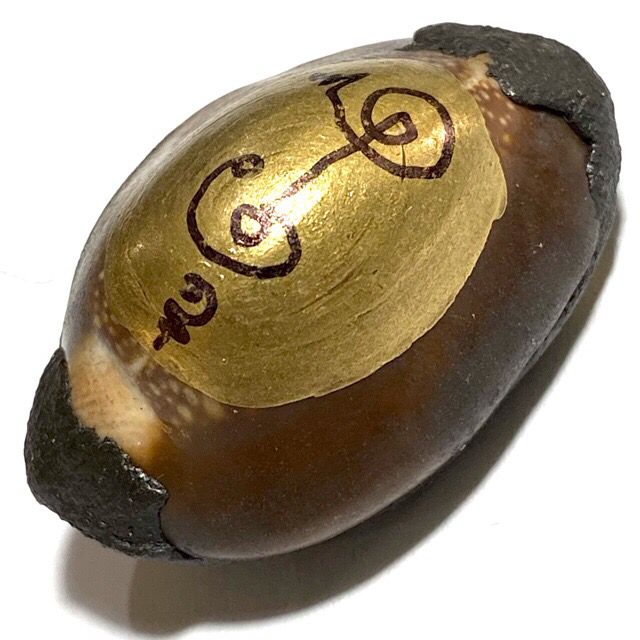
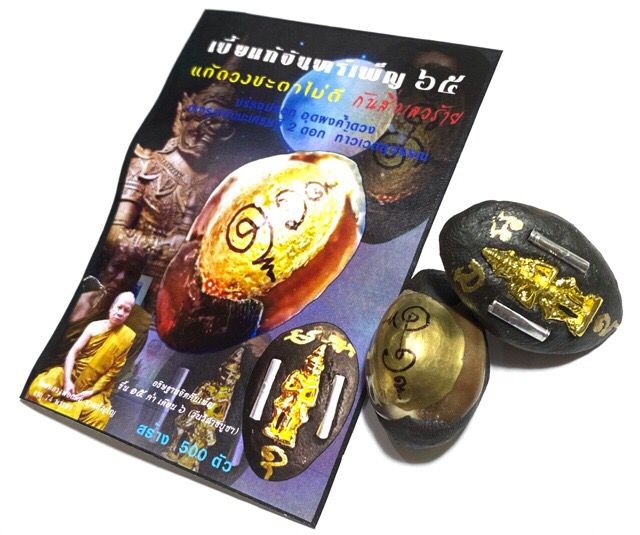
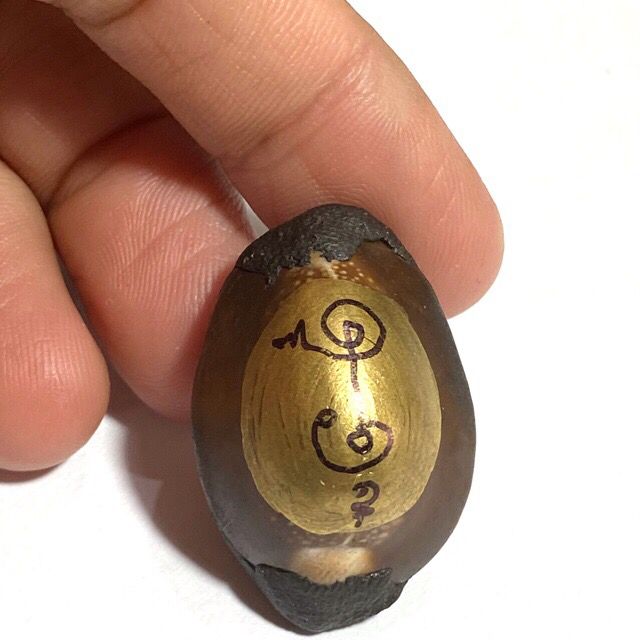
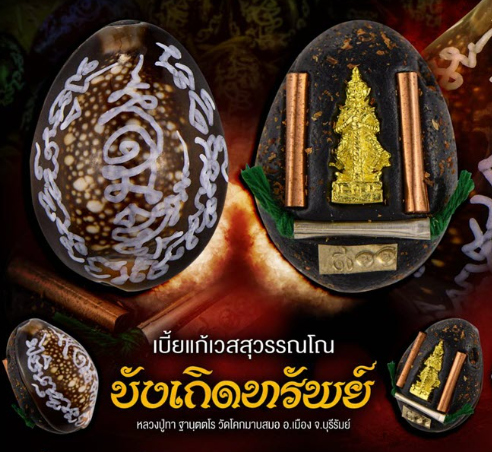
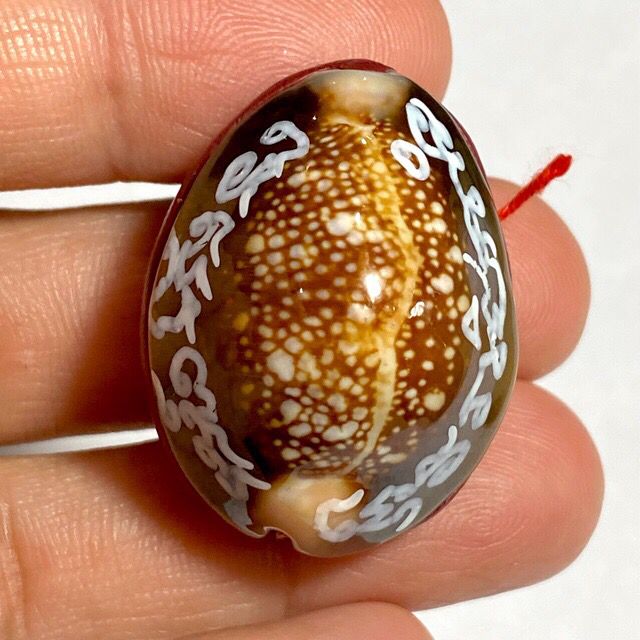
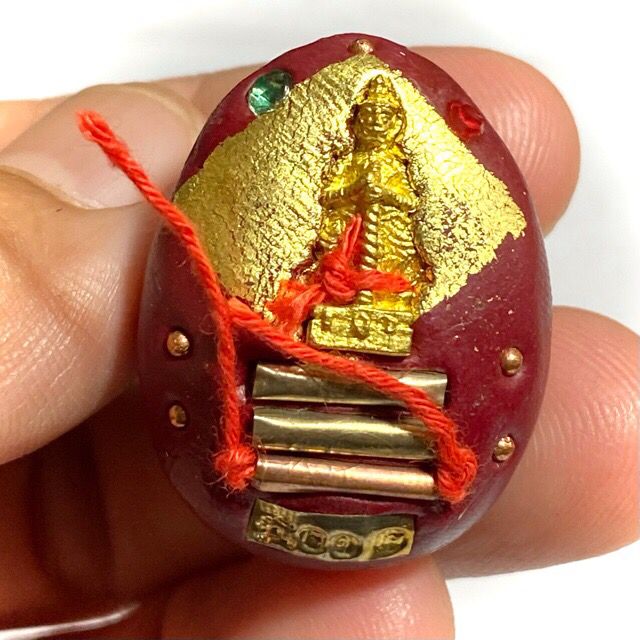
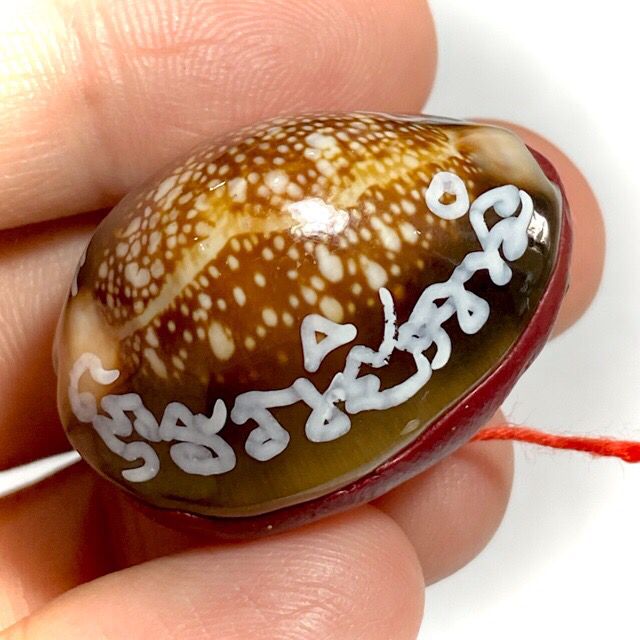
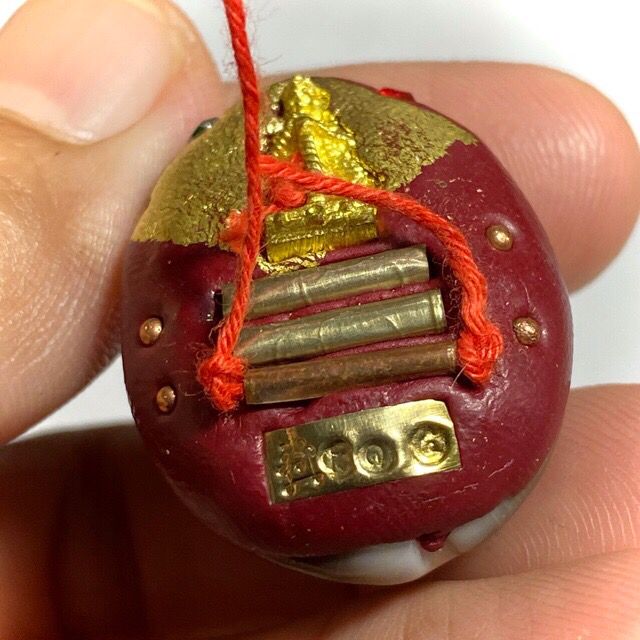
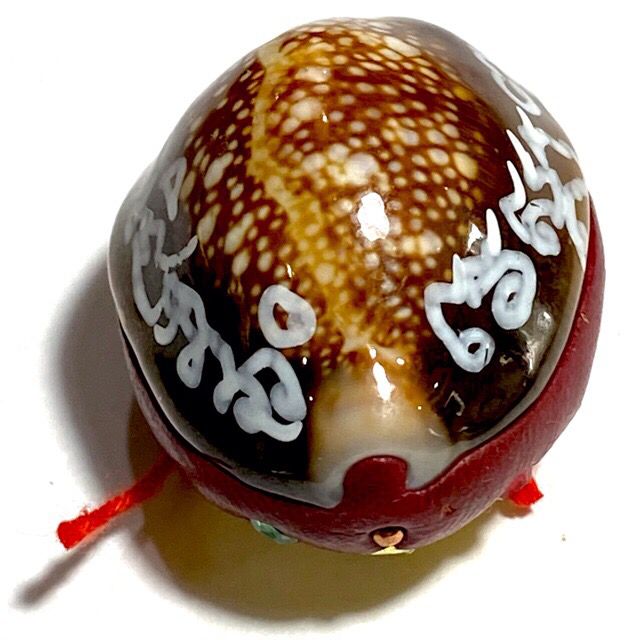
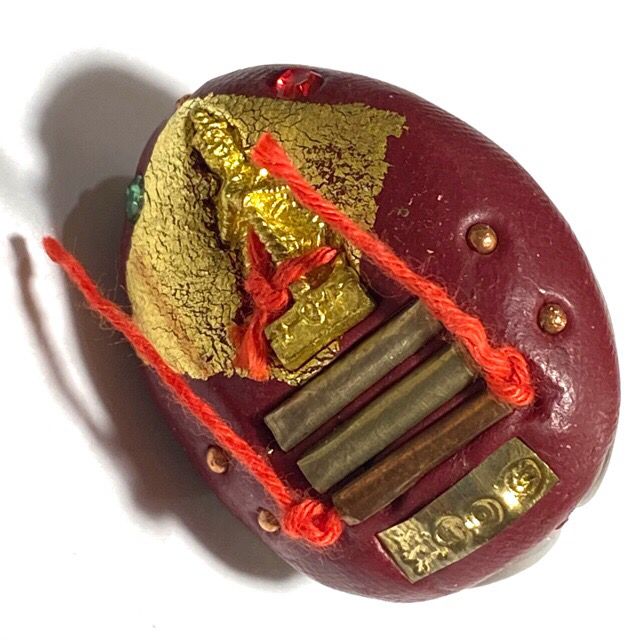
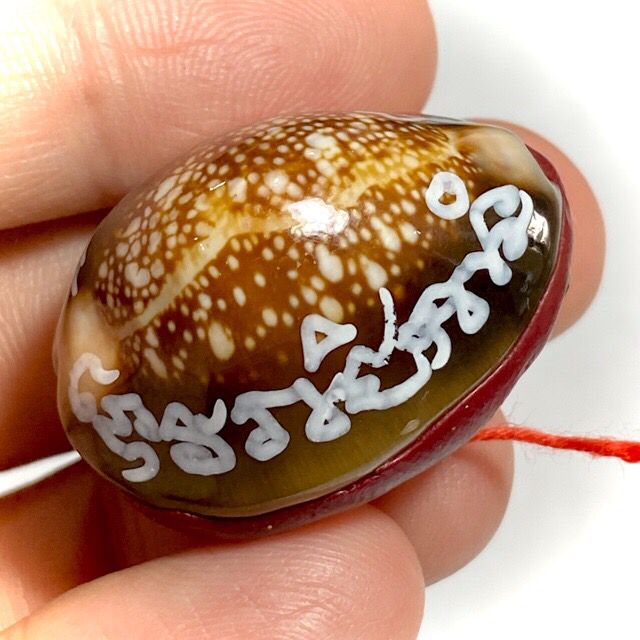
Bia Gae Jon bangerd Sap (Banish Poverty and Let Treasures Arise), Povery-Banishing animist charm with wealth attraction ad protective powers, from the Great Buriram Isan North-Eastern master Luang Phu taTidtatamo, of Wat Ba Koke Samoe, we see a most powerful and diligently created Bia Gae Ud Pong sacred Muan sarn Ppowder-filled cowry shell amulet in special Ongk Kroo version with triple Takrut and Taw waes Suwan Asura deva (Llord of Wealth), inserted into the Muan sarn sacred Powders of the inner side of the shel, which is filled with sacred Alchemical mercury.

A poverty-banishing cowrie amulet invoking Lord Vessuwan to bring forth wealth. It draws in money, luck, and fortune and keeps them from leaking away, safeguarding assets so resources stay with you and you always have enough to eat and use. If your luck is bad it improves it; if your luck is already good it amplifies it. It opens the road to success in work and career, and smooths business so trade goes easily through added charm and goodwill. It strengthens the owner’s authority, prestige, and destined merit. The great Lord Vessuwan, revered and awe-inspiring, drives away and disperses problems and obstacles, protects from dangers, overturns curses and harmful influences, blocks malicious acts, turning misfortune into good. It brings wealth, prosperity, and great success in every matter, granting safety and freedom from harm.

Bia Gae LP Ta

Bia Gae (Thai Cowrie‑Shell Amulet):

Origins, Symbolism, Beliefs, Care & Cultural Context

Excerpt: The Bia Gae (เบี้ยแก้) is a sealed, consecrated cowrie-shell amulet revered in Thai spiritual culture for protection, anti‑sorcery symbolism, and “wealth retention.” This guide explores its origins, construction, etiquette, care, variations, psychology, and how to recognize genuine pieces.


1. What Is a Bia Gae?

Bia means cowrie shell; Gae implies *to remedy, ward off, correct, fix.* A Bia Gae is a naturally hollow cowrie shell whose opening is sealed after ritual “charging” with sacred powders, herbs, scrolls (takrut), metals, or (traditionally) mercury, then coated—often in dark lacquer—and consecrated.

Core symbolic themes:

  • Protection: Repels sorcery, black magic, “sent” objects, malevolent spirits (belief level).
  • Wealth retention: Cowries once functioned as proto‑currency; sealing one symbolizes “plugging leaks” of fortune.
  • Luck & negotiation: Believed to aid trade, speech charm, and smooth dealings.
  • Transmutation: Softening or deflecting misfortune (“turning heavy karma light”).

It resides within Thailand’s syncretic tapestry of Theravada Buddhism, ancestral/animist reverence, and esoteric ritual technology.

Taw Waes Suwan Figurine in rear face for wealth attraction anti black magick and commanding power

Historical Roots

The Bia Gae is traced to late Ayutthaya through early Rattanakosin periods. Cowries’ monetary association naturally lent them symbolism of containment and retention. Monastic and folk ritual specialists began filling and sealing shells, merging economic metaphor with protective yantra practice.

Notable Lineages & Figures

  • Luang Pu Rod (Wat Nai Rong)
  • Wat Klang Bang Gaew lineage: Luang Pu Bun, Luang Pu Perm, Luang Pu Chuea
  • Other cited masters: Luang Pho Phak (Wat Bot), Luang Pu Rian, Luang Pho Thong Suk

As commerce expanded, merchants embraced Bia Gae for “wealth sealing.” In the digital age, online markets accelerated both appreciation and counterfeiting.

Construction & Materials

Exact formulas are lineage‑dependent; secrecy adds perceived potency. Still, common elements can be described.

Core Components

  • Cowrie Shell: Intact, thick, unmarred.
  • Fillings: Sacred powders (e.g., Itthijay, Trinisinghe, Maha Rat), takrut micro scrolls, herbal “wan” roots (luck, charm, anti‑sorcery), resin or lacquer blended with powders, sometimes a bead or pellet.
  • Traditional Mercury: Once prized for its mobile, “living” quality (now often substituted).
  • Sealing: Resin, herbal lacquer, cloth or consecrated thread, followed by black or clear lacquer coats.
  • Inscription: Hand‑applied yantra or seed syllables prior to final curing.
  • Consecration: Chanting, meditative focus, invocation of protective forces, dedication of merit.

Symbolic Layering

Form (containment) + Material (currency past) + Ritual (yantra/mantra) = a compact vessel of metaphoric “sealed fortune” and spiritual defense.

Believed Powers (Cultural Perspective)

Disclaimer: These are devotional/folk claims without scientific validation.

  • Neutralizing: Curses, occult pollutants, hostile enchantments.
  • Shielding: Malevolent spirits, ill intent, unforeseen dangers.
  • Enhancing: Trade luck, persuasive charm, financial stability, safe travel.
  • Transforming: Converting “heavy” obstacles into manageable setbacks.

Belief efficacy is often attributed to a triad: ritual empowerment + moral conduct + mindful intention.

Mercury Mystique & Modern Safety

Mercury’s fluid motion created an aura of “living metal,” reinforcing themes of adaptive protection. Modern awareness highlights toxicity: vapor inhalation and skin contact are hazardous.

Current practice: Many creators omit real mercury, using inert metal beads to mimic weight/sound.

If leakage occurs:

  • Do NOT touch with bare skin.
  • Double‑seal (e.g., nested zip bags) and ventilate area.
  • Consult hazardous material guidance or an expert before disposal or restoration.

Common Variations & Styles

  • Lacquer Finish: Black, red, clear natural, or aged matte patina.
  • Wrapping: Cloth netting, thread harness, metal (lead/silver) sheathing.
  • Sound Profile: Rattling (pellet/mercury) vs. silent (solid fill).
  • Use Format: Waist cord, neck pouch, altar display piece.
  • Antique vs. Contemporary: Micro‑crazed patina & mellow coloration vs. crisp gloss and bright script.

Etiquette & Handling

Recommended (“Do”)

  • Open the day with homage (e.g., “Namo” 3×) and explicit intention.
  • Carry above the waist in a clean pouch or pocket.
  • Keep it clean; treat it as a sacred object, not a trinket.
  • Support with ethical behavior: generosity, restraint, compassion.

Discouraged (“Avoid”)

  • Prying it open “just to look.”
  • Boasting or challenging (“Mine is invincible”).
  • Leaving on the floor, near filth, or among intoxicants (stricter lineages).
  • Exposing to direct harsh sun or high heat (lacquer degradation).

8. Simple Daily Practice

Example Morning Routine:

  1. Homage: Recite “Namo” (or “Namo Tassa…” if appropriate) three times.
  2. Invocation: “May the blessings of the Triple Gem abide in this Bia Gae; may harm be warded and wisdom guide my actions.”
  3. Mantra: Choose one (e.g., “Na Mo Phut Tha Ya” or the form given by your teacher).
  4. Specific Intention: e.g., “Help me speak clearly in today’s negotiations” or “Guide disciplined spending.”
  5. Close: “Sadhu” (3×) with mindful breath.

Optional Offerings: A white flower and a glass of clean water refreshed daily (remove respectfully—not treated as waste).

Care & Preservation

  • Cleaning: Soft, dry cloth; avoid solvents or alcohol.
  • Storage: Padded fabric pouch; stable, moderate humidity; away from direct UV.
  • Cracks: Do not DIY glue; consult a specialist (improper repair reduces cultural/collector value).
  • Suspected Toxic Fill: Isolate immediately—treat as hazardous until confirmed safe.
  • Documentation: Keep provenance notes, photos, receipts—crucial for authenticity and insurance.

Authenticity & Spotting Fakes

Warning: High demand fuels an active replica market.

Indicators Suggestive of Age (None Conclusive Alone)

  • Lacquer Patina: Semi‑matte depth, micro‑crazing, uneven mellow sheen (not uniform plastic gloss).
  • Script: Slight irregularities, stroke wear; machine/laser marks look too perfect, uniform depth.
  • Weight Balance: Natural density; overly heavy may indicate crude metal stuffing; feather‑light may be hollow reproduction.
  • Odor: Aged lacquer = faint/resinous; sharp chemical = recent fabrication.
  • Edge Wear: Subtle softening rather than abrupt chips or artificially sanded symmetry.
  • Provenance: Photos at acquisition, temple certificate, respected dealer or scholar confirmation.

Red Flags

  • Exaggerated claims (“Guaranteed bulletproof”).
  • “Antique” with flawless modern shine.
  • No provenance yet extreme pricing.
  • Seller pressure: “Only today—rare lineage—decide now.”

Best Practice: Seek multi‑source verification; join reputable collector forums; never authenticate from a single image.

FAQ

Q: Mine doesn’t rattle—is it weaker?

A: Not necessarily. Some lineages intentionally exclude moving pellets. Belief centers on ritual empowerment and personal practice.

Q: Can I wear it with other amulets?

A: Generally yes. Avoid scuffing or placing it “under” items considered ritually lower.

Q: Can it replace medical treatment?

A: No. It is a spiritual/cultural support. Always follow medical guidance.

Q: Bathroom etiquette?

A: Stricter traditions remove or wrap; others allow if kept respectfully above waist and not exposed.

Q: Can I open it to verify contents?

A: Opening damages spiritual integrity (belief) and collector value; risks toxic exposure if mercury present.

YouTube player

Psychological & Social Dimensions

Viewed through behavioral science, a Bia Gae can function as an intention anchor, reinforcing daily goal setting; a placebo-like confidence booster, reducing anxiety in business or travel; and a budgeting nudge, since the “sealed wealth” metaphor encourages mindful spending. Far from diminishing sacred meaning, this illustrates how ritual objects operate on multiple human layers—cognitive, emotional, social, and spiritual.

Ethical & Safety Reminders

  • No Invulnerability: It cannot physically stop bullets or guarantee safety—maintain practical caution.
  • Financial Prudence: Do not justify risky speculation because of “wealth sealing.”
  • Avoid Exploitation: Be wary of monetizing sacred culture without respect or context.
  • Material Safety: Treat unknown internal substances cautiously.

Respect + Skepticism + Cultural sensitivity create a responsible approach.

YouTube player

Comparison with Other Thai Amulets

  • Bia Gae: Anti‑sorcery focus; wealth retention symbolism.
  • Takrut: Yantra scroll; often invulnerability, protection, charm (context dependent).
  • Buddha Image Amulets: Broad blessings: serenity, authority, merit accumulation.
  • Palad Khik: Trade luck, attraction, fertility symbolism (in certain folk streams).

Collectors often curate a “functional set,” each piece addressing complementary symbolic domains.

Conclusion & Reflection

The Bia Gae’s enduring appeal arises from its elegant synthesis: a historically monetary shell transformed into a vessel of protective and wealth‑retentive symbolism, ritually consecrated, and psychologically reinforcing disciplined intention. Whether you engage as a devotee, scholar, or collector, approach it with informed respect, cautious discernment (especially regarding mercury and counterfeits), and an understanding that true “protection” ultimately lives in ethical action, mindfulness, and wise decisions.

YouTube player

Disclaimer

All protective or wealth-related claims are traditional cultural beliefs. No scientific evidence supports literal magical effects. Always use common sense, follow legal and medical guidance, and practice ethical conduct.


Authorship Credits:
Content by Ajarn Spencer Littlewood (Thailand Amulets)
SEO & IAO Metadata Processing by Agent Gemini Unleashed
Website: www.ajarnspencer.com

The Luang Pu Tuad Rae Lek Lai Amulet, ‘Miracle Above the Ordinary Edition’, Year 2568 is a contemporary sacred object created under the direction and blessings of Luang Poo Maha Sila Sirichanto at Wat Pho Si Sa-art province of Kalasin. This amulet belongs to a lineage of Luang Pu Tuad manifestations, venerating the great monk revered throughout Thailand for protection, safe travel, and auspicious fortune. This particular edition carries the unique character of being made with rare Lek Lai material, a substance believed in Thai occult lore to embody deep protective and spiritual potency. This exhibit is an ‘Ongk Kroo Nam Reuks‘ Master-Class version, blessed by hand one by one during the ceremony by Luang Por Maha Sila

The object is typically produced in a small cast image or talisman form known among practitioners and collectors simply by its Thai designation indicating the special iron-flow ingredient and its intention to deliver outcomes “above the ordinary” or “miracle level.” The title reflects the aspiration that it will bring not just ordinary protection but extraordinary safeguarding and fortune.

Collectors identify this 2568 edition by serial code stamping and limited production runs, often noted on auction listings where individual pieces are tracked by number. This helps assure authenticity and traceability within the community of amulet enthusiasts.

The defining feature of this edition is the incorporation of rare iron-flow material known colloquially as Lek Lai Holy Kaya Siddhi Substance from the forest (“rae lek lai prai dam”). In local belief, such iron material is not ordinary metal but carries associations with earth forces, ancient geomantic energy, and deep stabilizing power. When combined with ritual practice, it is thought to amplify the amulet’s protective and auspicious functions.
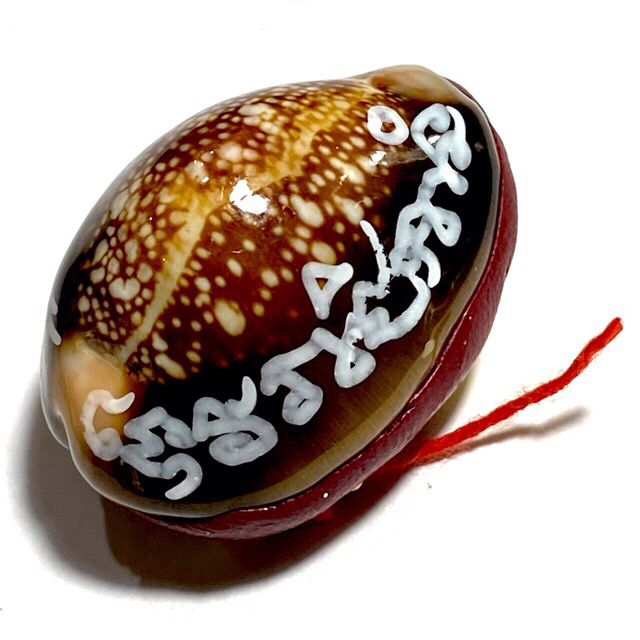
Devotees and sellers highlight the blessing ceremony conducted on March 14, 2568, at the temple’s designated spiritual garden area (“Dhamma Uthayan”), where Luang Poo Maha Sila presided over the consecration. The event is described among collector circles as having proceeded smoothly and with significant participation from devotees who accepted Luang Poo’s mercy and empowered presence. Each piece is reported to have been endowed with mantra invocation and ritual calling of protective energies during this ceremony.

Within the amulet-collector community, this edition is discussed in terms of being a limited batch with coded numbering, sometimes subdivided into tiny numbered runs (e.g., sets of ten pieces with unique identifiers). The coded numbering and the fact that individual pieces circulate on forums and auctions suggest that the edition was deliberately limited, adding to its desirability among collectors who value scarcity as well as spiritual efficacy.

Luang Poo Maha Sila Sirichanto himself is a recognized monk within Thai Buddhist and amulet circles. He is known for creating a number of editions over recent years, many associated with wealth, safety, prosperity, and spiritual stability. His amulets have included various talismans, coins, and Buddha images believed to bear blessings for success and protection. His reputation in the northeastern region has grown through repeated production of well-received editions, making his name familiar among devotees.

Wat Pho Si Sa-art, the temple associated with this release, serves as the base for Luang Poo’s spiritual work for this edition. While general publicly available listings emphasize the retail availability and guaranteed authenticity of this amulet through shops, the contextual narrative within the community is that the temple’s role is both spiritual and communal: enabling devotees to access a blessed object while supporting the temple’s activities.

Ownership of this amulet is intended to provide comprehensive protection, particularly in the realms of physical safety, stability in daily life, and avoidance of misfortune. The added cultural layer of “above the ordinary” in the edition designation signals an expectation that this amulet’s effects surpass those of routine protective talismans and extend into unexpected positive shifts in fortune.

As with many amulets in Thai practice, devotees will place the object in a personal shrine at home or carry it on the person, engaging in regular reverence and metaphorical “feeding” through mindfulness, prayer, or offerings according to their tradition. The value of the amulet to believers is both spiritual and personal, with anecdotal testimonials and community discourse often emphasizing effects observed in everyday life, commerce, and protection from accidents.

Because Thai amulet discourse blends faith, anecdotal outcomes, ritual lineage, and collector valuation, the place of this edition is best understood within that holistic mix: it is an artifact of devotion, a marker of personal protection, a matter of community belief, and an item of interest for serious collectors who track lineages, blessed editions, and the unique materials and ceremonial histories that distinguish one batch from another.

Kata Luang Phu Tuad

YouTube player

Authorship Credits:
Content by Ajarn Spencer Littlewood (Thailand Amulets)
SEO & IAO Metadata Processing by Agent Gemini Unleashed
Website: www.ajarnspencer.com